Choosing the right packaging material is a key decision for any product - whether you’re selling food, cosmetics, electronics, or retail goods. The material you select impacts not only the look and feel of your packaging but also its functionality, durability, sustainability, and cost. With so many options available, it’s helpful to understand the most common packaging materials, their benefits, and their ideal uses. Below, we break down the most popular packaging materials used in the industry, helping you make an informed choice that aligns with your product, brand, and goals.
1. Cardboard & Corrugated Cardboard
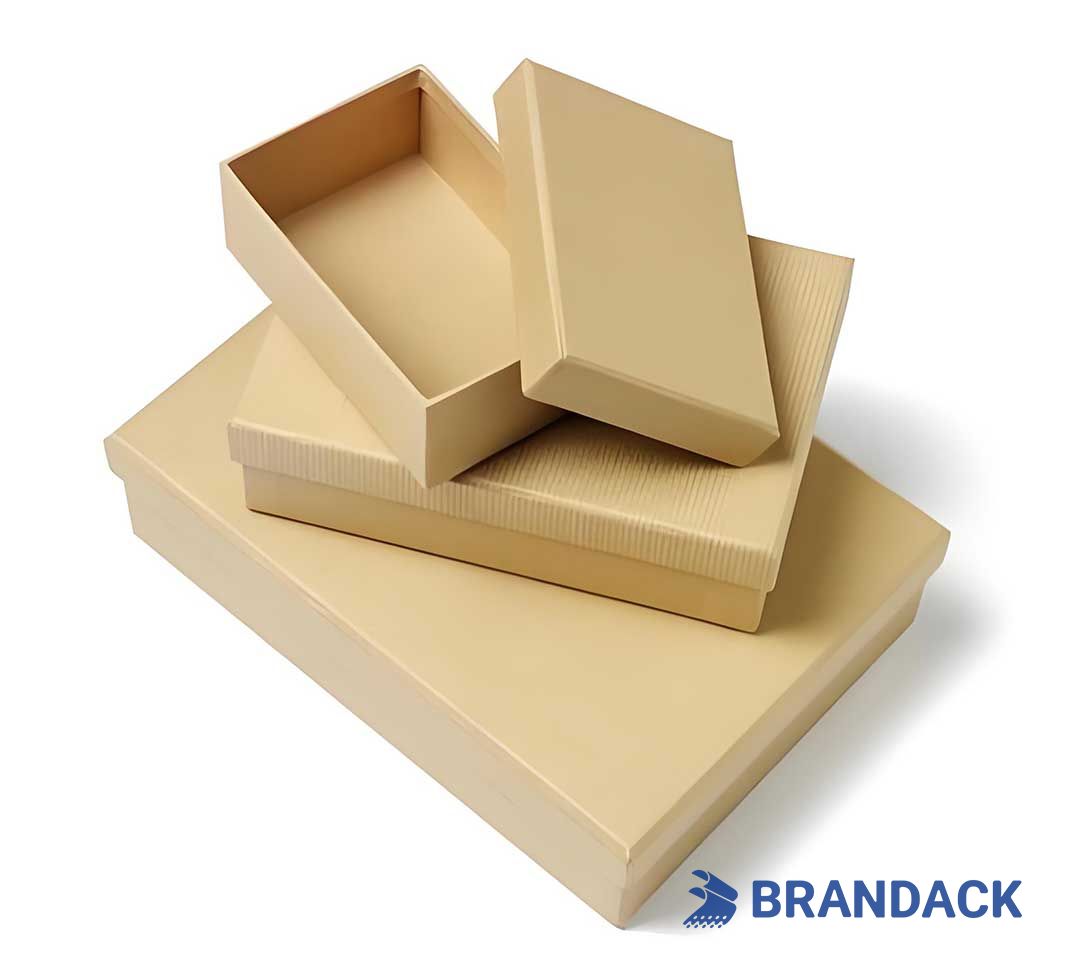
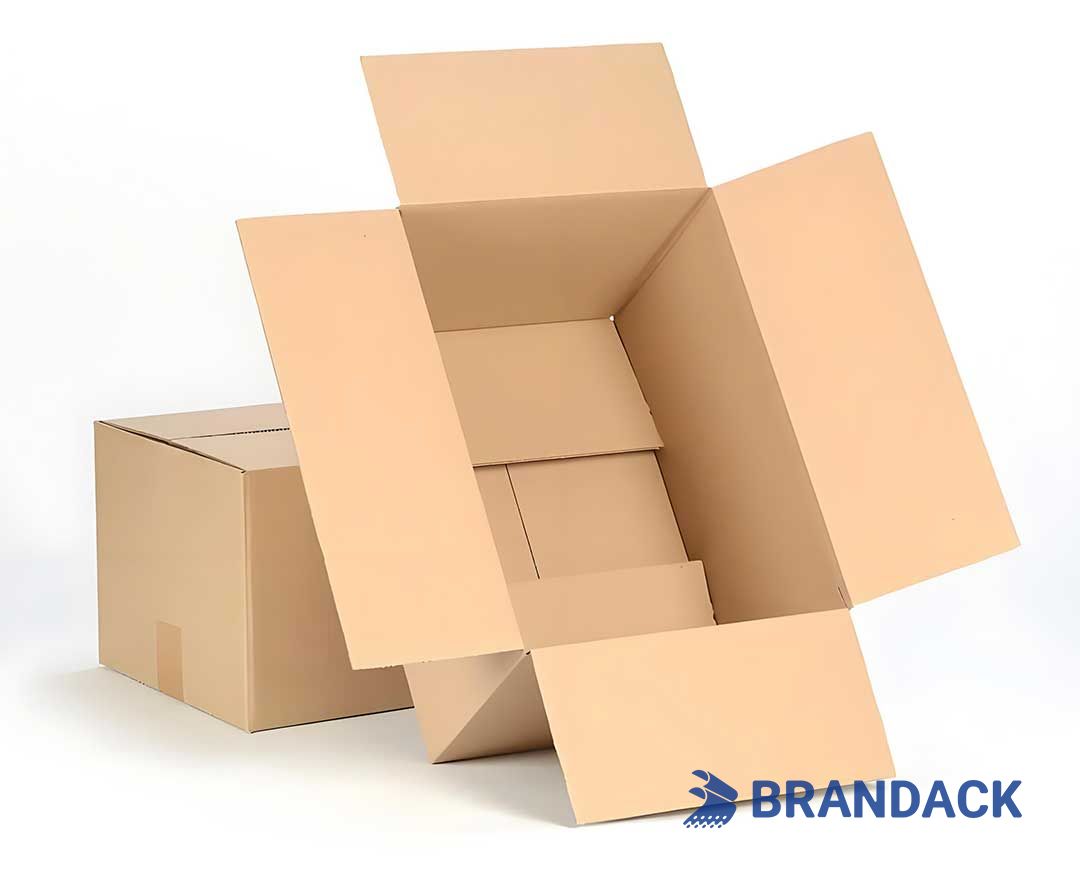
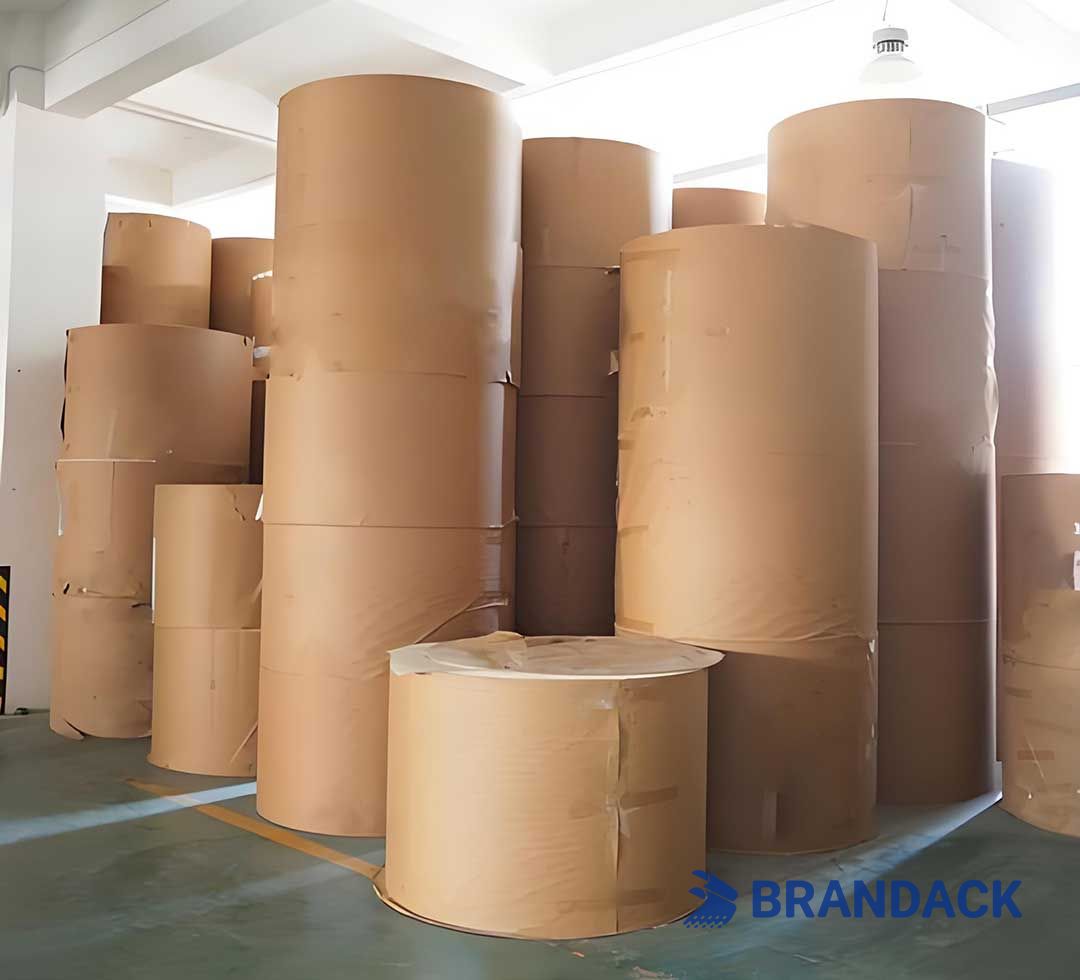
Cardboard and corrugated cardboard are the most widely used packaging materials - versatile, affordable, and customizable. They’re ideal for a wide range of products, from shipping boxes to retail packaging.
Cardboard: Thin, rigid paperboard (also called “paperboard”) is perfect for lightweight products like cereal boxes, cosmetic boxes, or gift boxes. It’s easy to print on, allowing for vibrant designs that showcase your brand. It’s also recyclable and cost-effective for small to medium-sized packages.
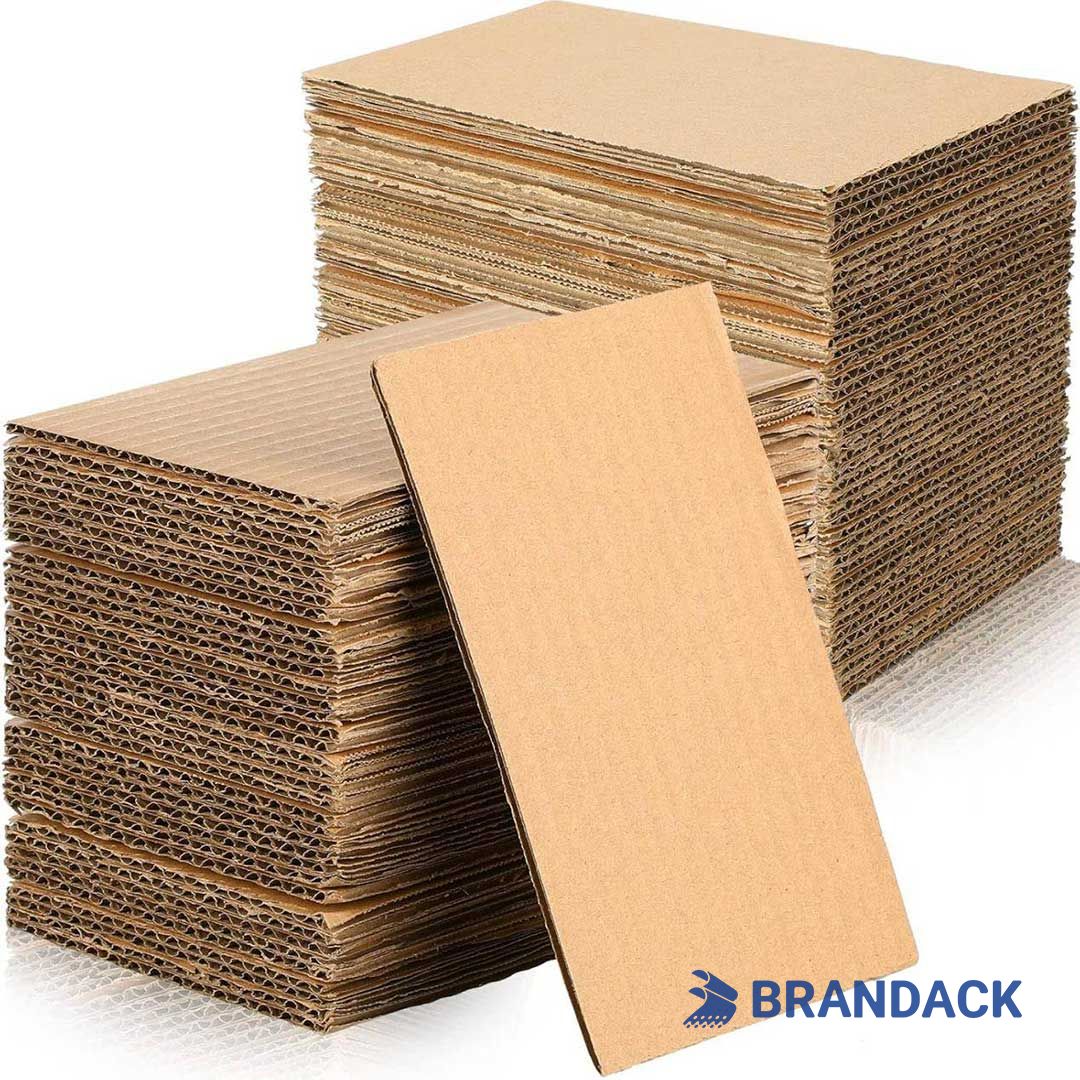
Corrugated Cardboard: Made of three layers (a wavy inner layer between two flat outer layers), corrugated cardboard is stronger and more durable. It’s designed for shipping and protecting heavier or fragile products (e.g., electronics, glassware, large retail items). It’s highly recyclable, lightweight, and can be customized with prints or logos.
2. Plastic
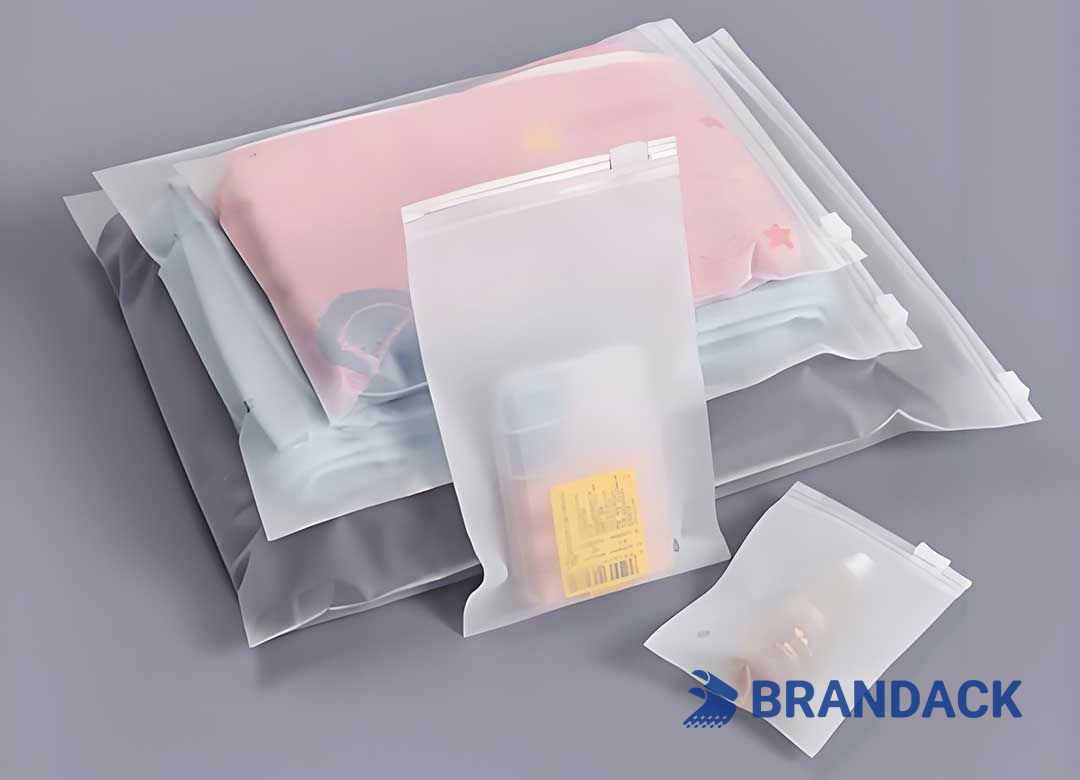
Plastic is a popular packaging material due to its durability, flexibility, and water resistance. It comes in many forms, each suited to different products:
✅ PET (Polyethylene Terephthalate): Clear, lightweight, and shatterproof - ideal for food and beverage containers (e.g., water bottles, candy packaging) and cosmetic jars. It’s recyclable and offers excellent visibility for products.
✅ HDPE (High-Density Polyethylene): Thick, durable, and chemical-resistant - used for detergent bottles, milk jugs, and packaging for household products. It’s recyclable and can be colored or made opaque.
✅ PVC (Polyvinyl Chloride): Flexible and transparent - common for blister packs (e.g., toys, electronics) and shrink wrap. Note that PVC is less recyclable than other plastics, so it’s best for short-term packaging.
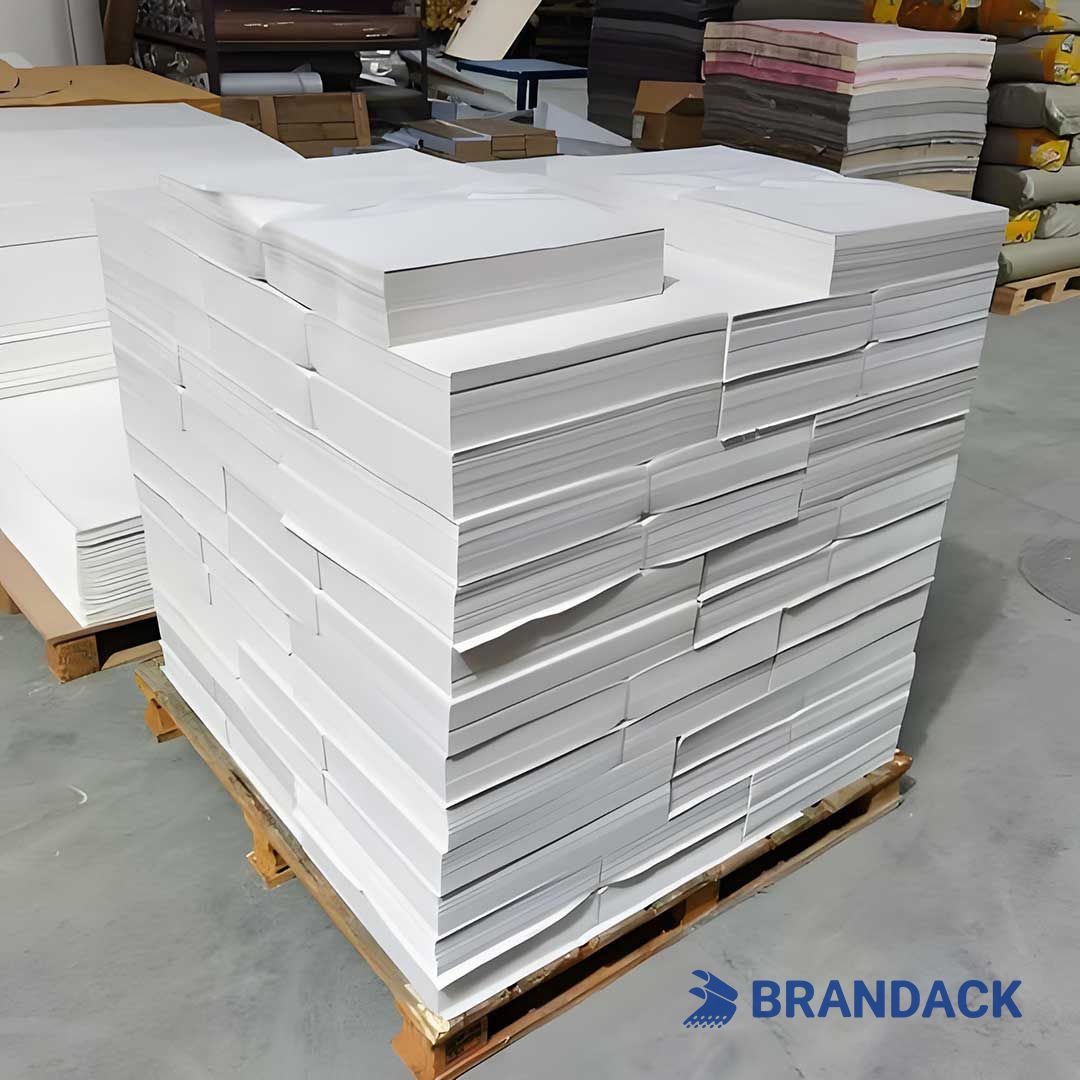
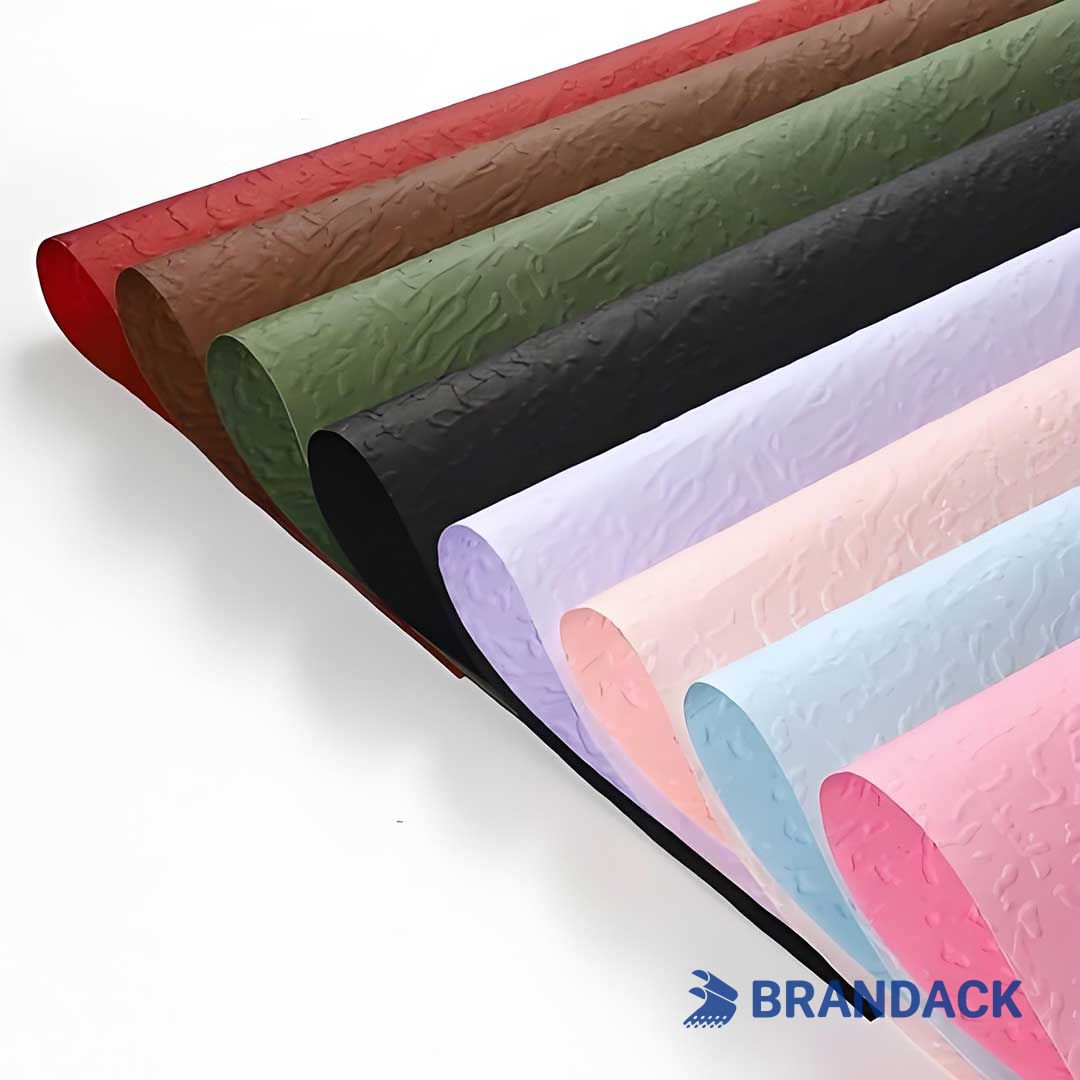
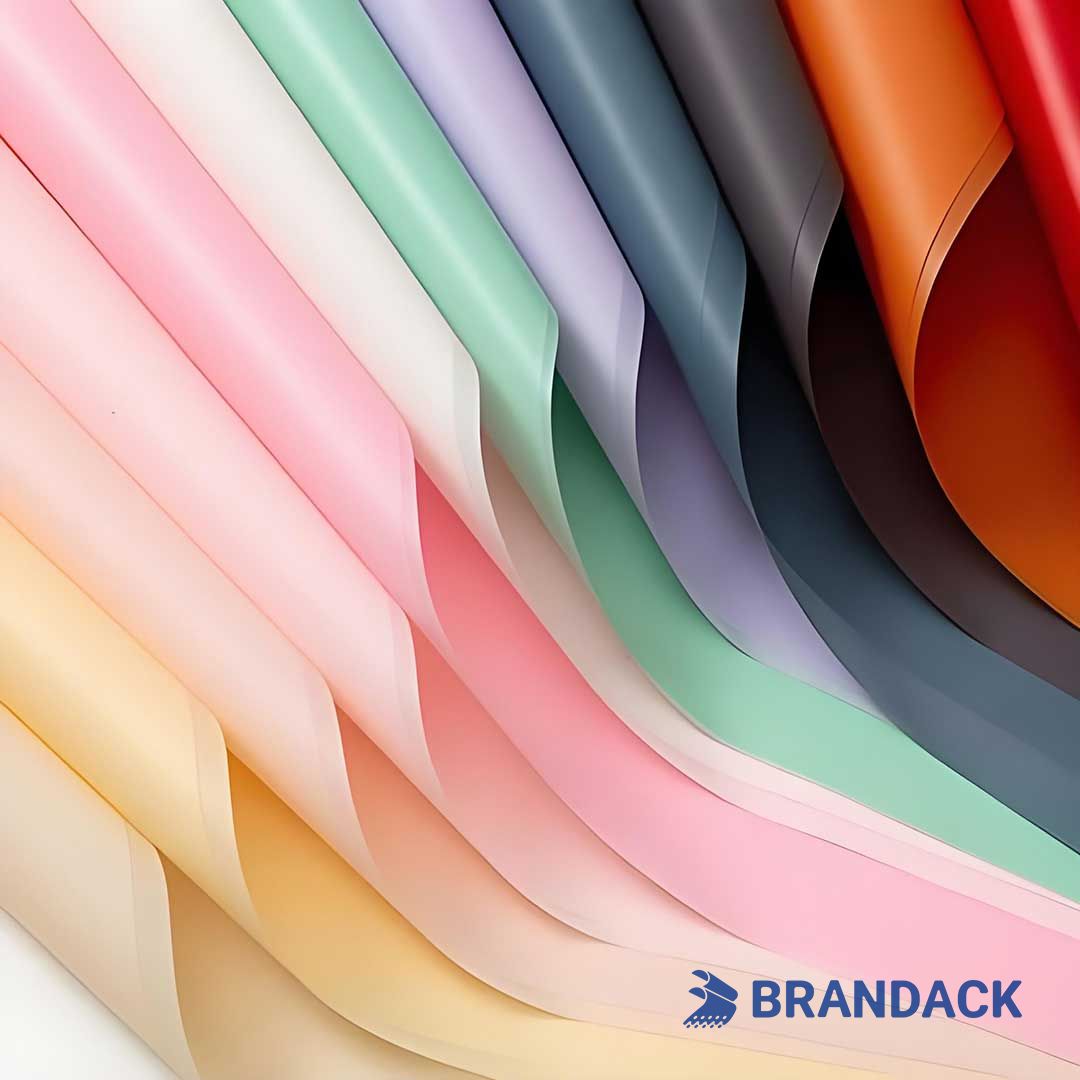
3. Paper & Kraft Paper
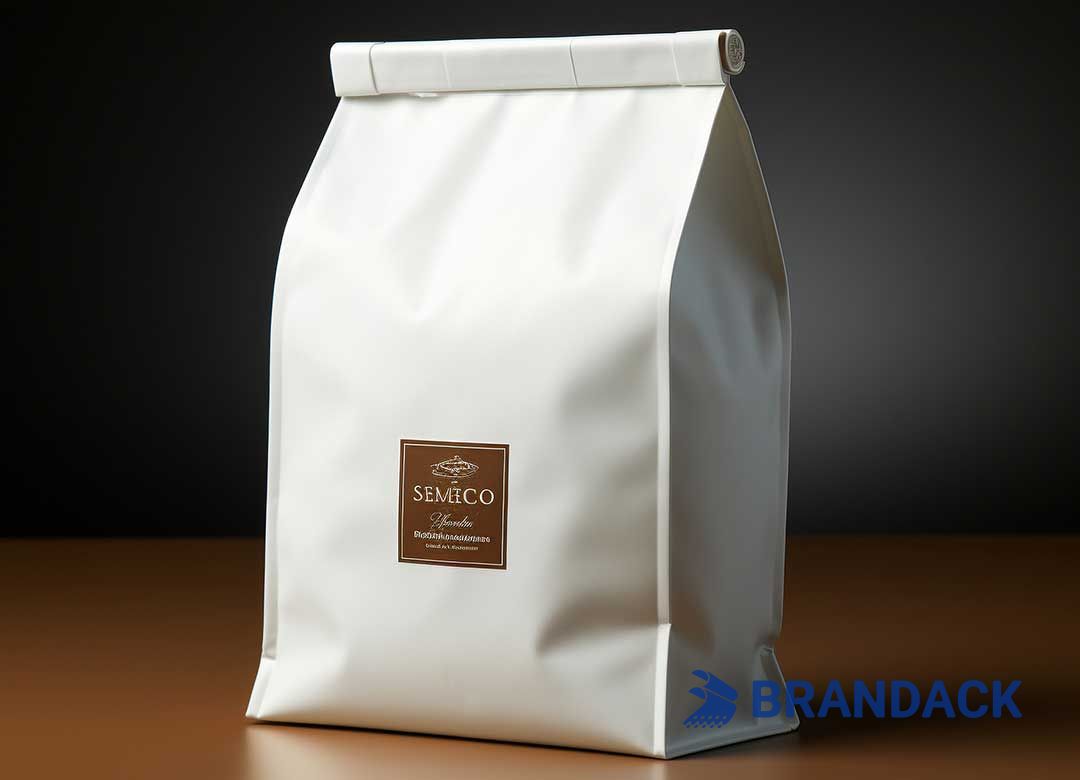
Paper-based packaging is eco-friendly, affordable, and versatile, making it a great choice for brands prioritizing sustainability. Common types include:
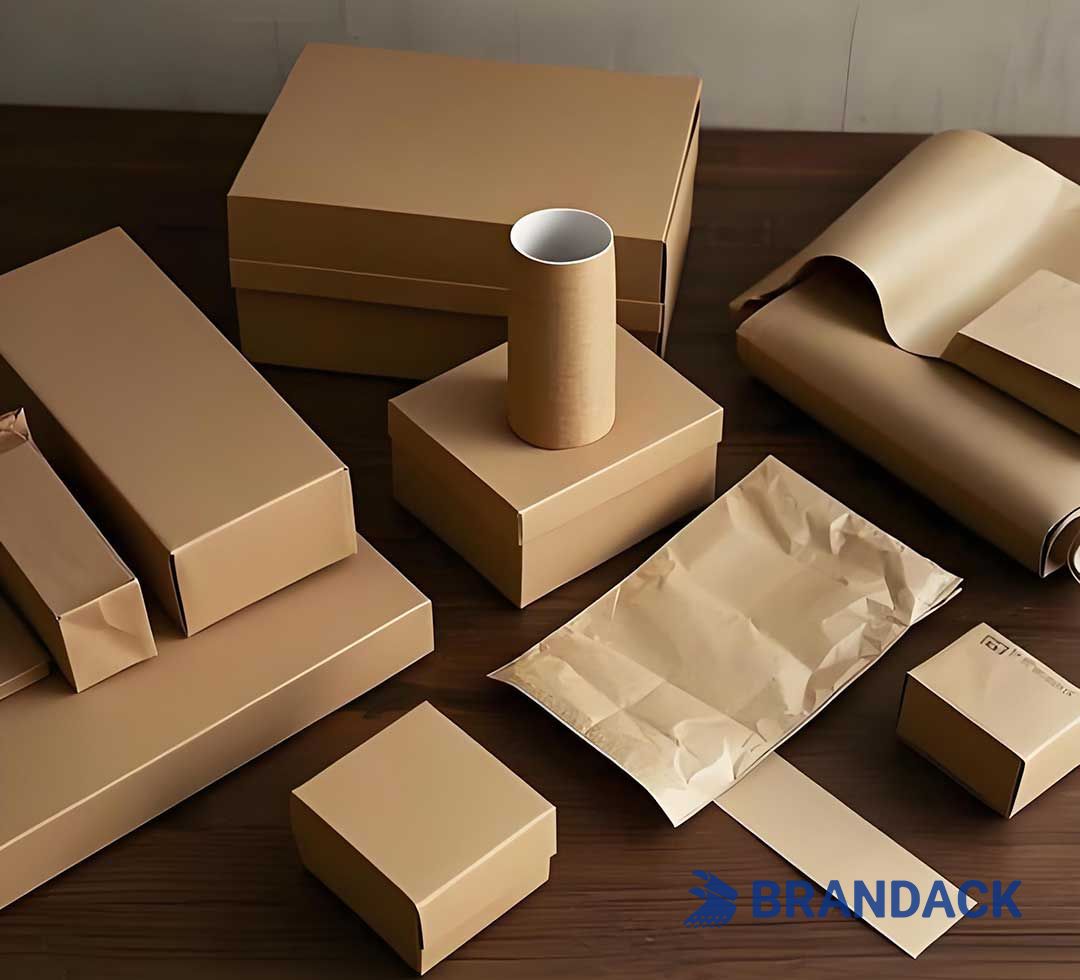
Kraft Paper: Brown, unbleached paper that’s strong and biodegradable. It’s ideal for bags, wrapping paper, and boxes for artisanal or eco-friendly brands. It has a natural, rustic look and can be printed with simple designs or logos.
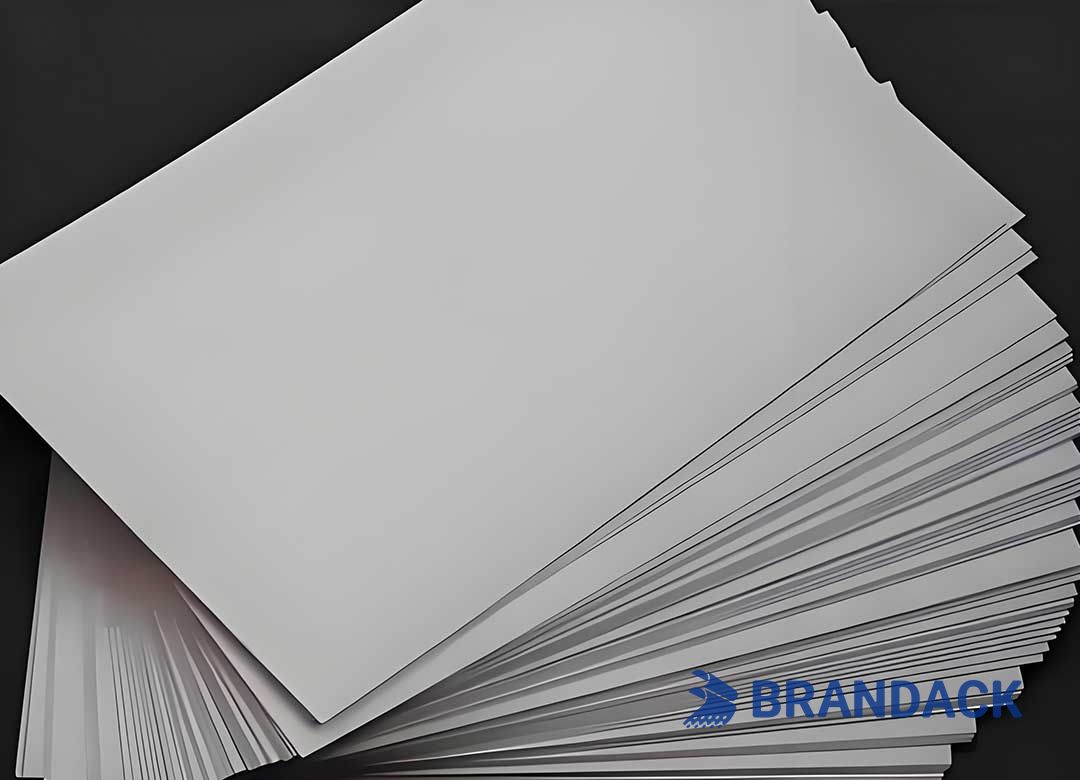
Coated Paper: Smooth, glossy or matte paper used for high-end packaging (e.g., luxury cosmetic boxes, gift bags). It offers excellent print quality, making colors and designs pop, and is often used for brands wanting a polished, premium look.
4. Glass
Glass is a premium, reusable, and fully recyclable packaging material, perfect for products that require durability and a high-end appearance.
Ideal uses: Cosmetics (serums, perfumes), food and beverages (wine, jam, olive oil), and luxury products. Glass preserves the quality of products (no chemical leaching) and can be colored, frosted, or etched for a custom look.
Pros: Reusable, recyclable, premium aesthetic, preserves product freshness. Cons: Heavy (increases shipping costs), fragile (requires extra padding during shipping).
5. Metal
Metal packaging is durable, opaque, and fully recyclable, offering excellent protection for products that need to be preserved or shielded from light.
✅ Common types: Aluminum (cans, cosmetic tins) and steel (food cans, gift tins). Aluminum is lightweight and corrosion-resistant, while steel is stronger and better for heavy-duty packaging.
✅ Ideal uses: Food (canned goods, energy drinks), cosmetics (lip balm tins, powder compacts), and industrial products. Metal can be printed with vibrant designs and is reusable.
6. Biodegradable & Compostable Materials
As sustainability becomes a priority for brands and consumers, biodegradable and compostable materials are growing in popularity. These materials break down naturally over time, reducing environmental impact:
✅ Biodegradable Plastics: Made from plant-based materials (e.g., cornstarch, sugarcane) that break down in soil or water. Ideal for packaging that would otherwise use traditional plastic.
✅ Compostable Paper: Treated paper that breaks down in compost piles, often used for food packaging (e.g., takeout containers, coffee cups).
✅ Mushroom Packaging: A sustainable alternative made from mushroom mycelium - lightweight, durable, and fully compostable. Great for protecting fragile products (e.g., electronics, glassware).

How to Choose the Right Packaging Material
When selecting a packaging material, consider these factors: product type (fragile, liquid, food), budget, sustainability goals, brand aesthetic, and shipping needs. For example, fragile products need durable materials like corrugated cardboard or mushroom packaging, while luxury products may benefit from glass or coated paper.
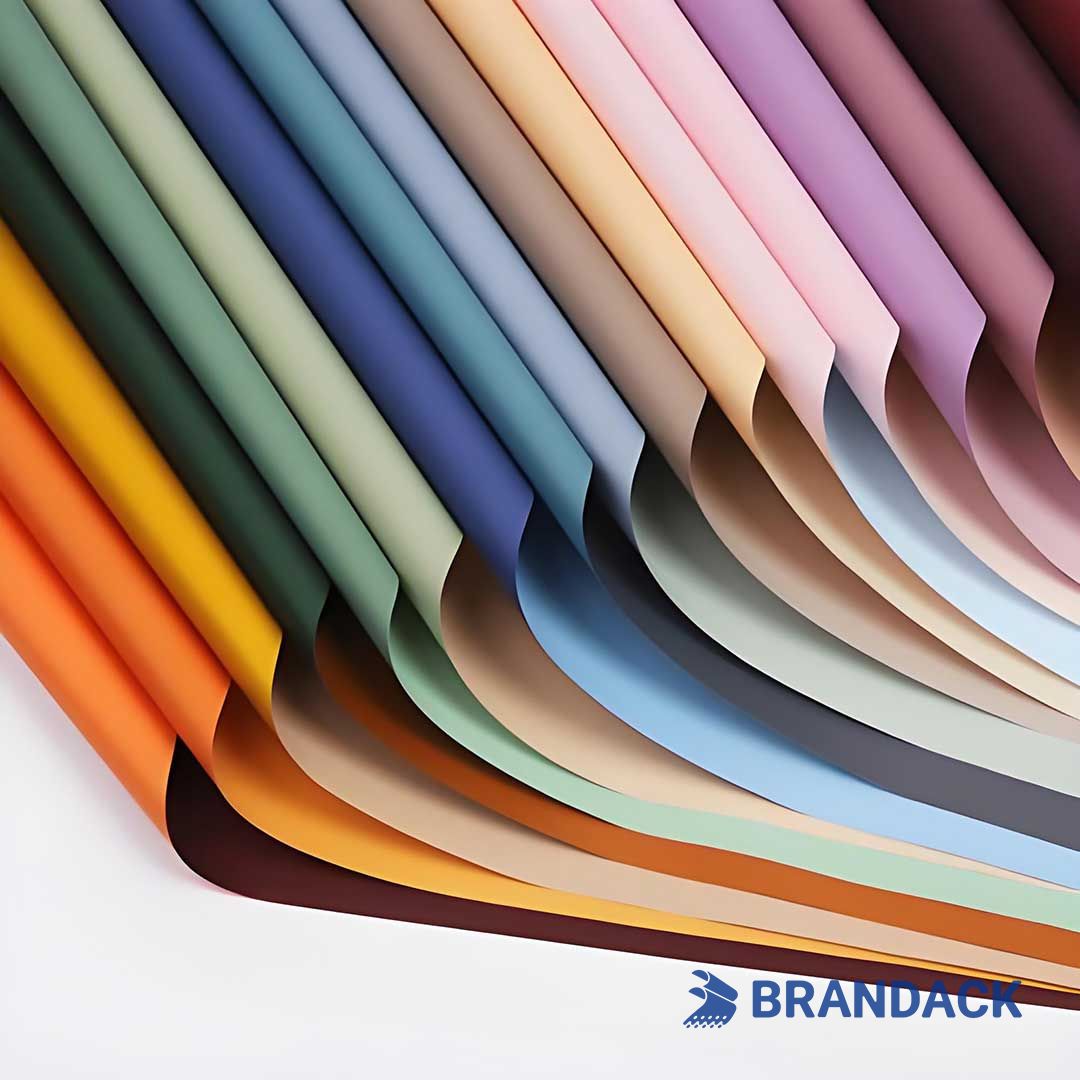
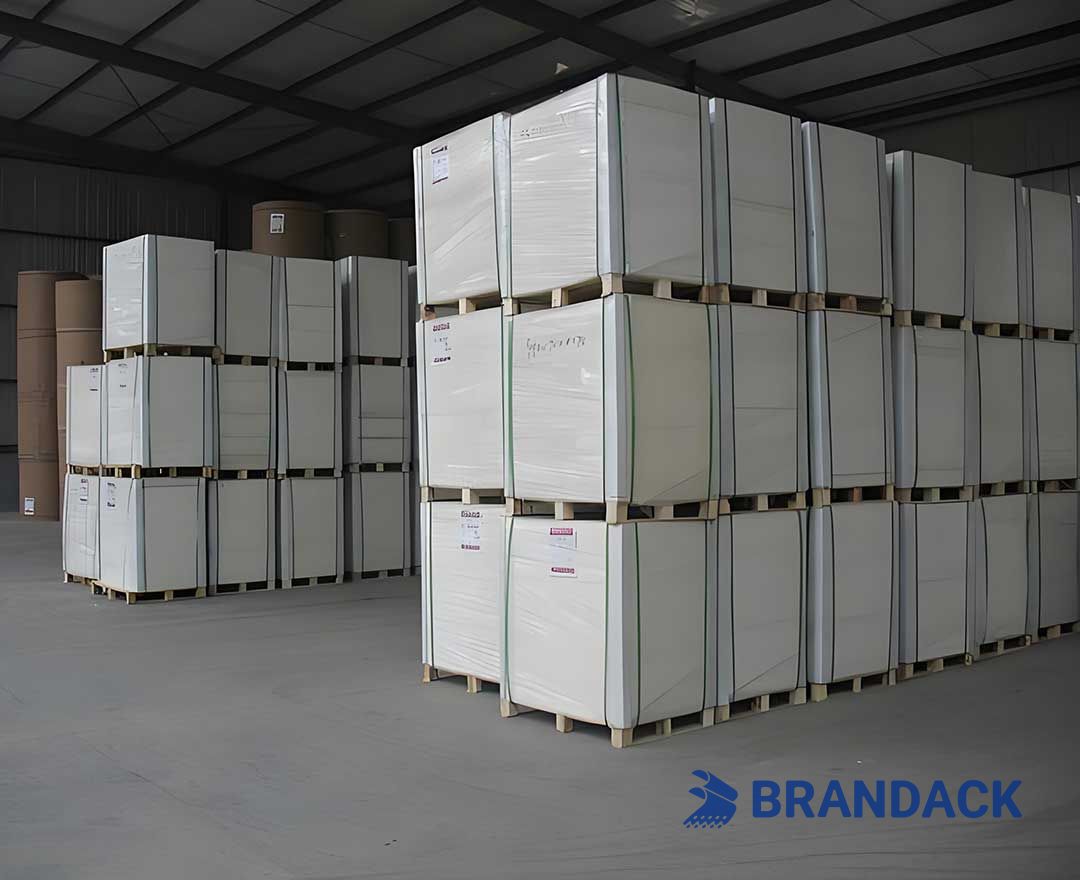
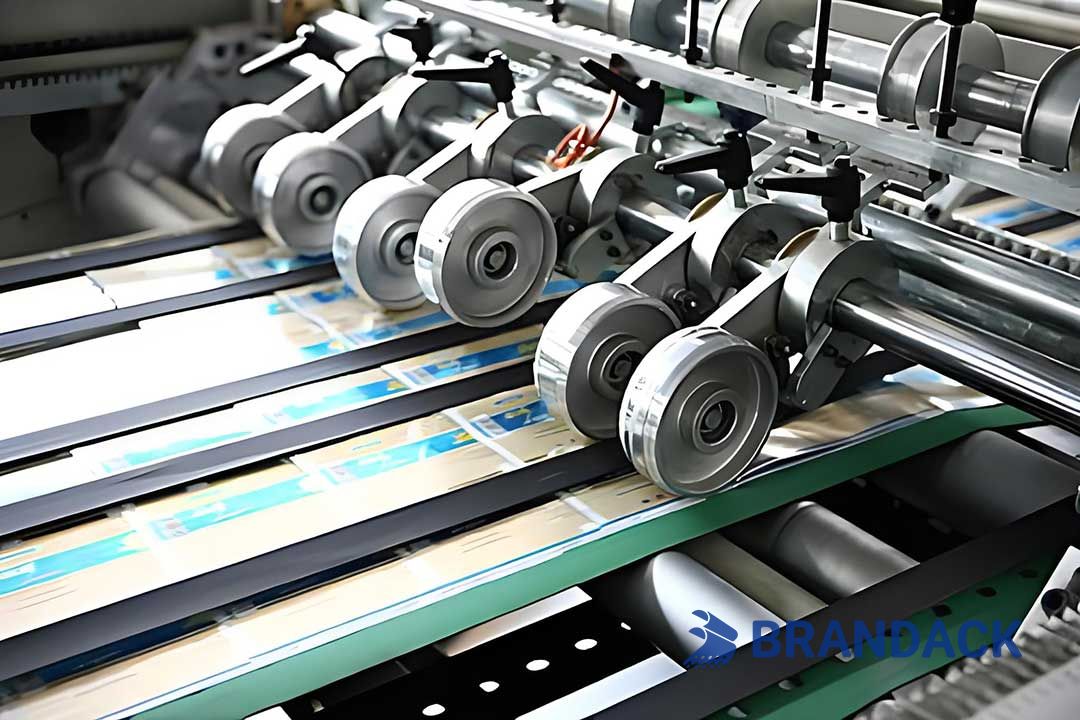
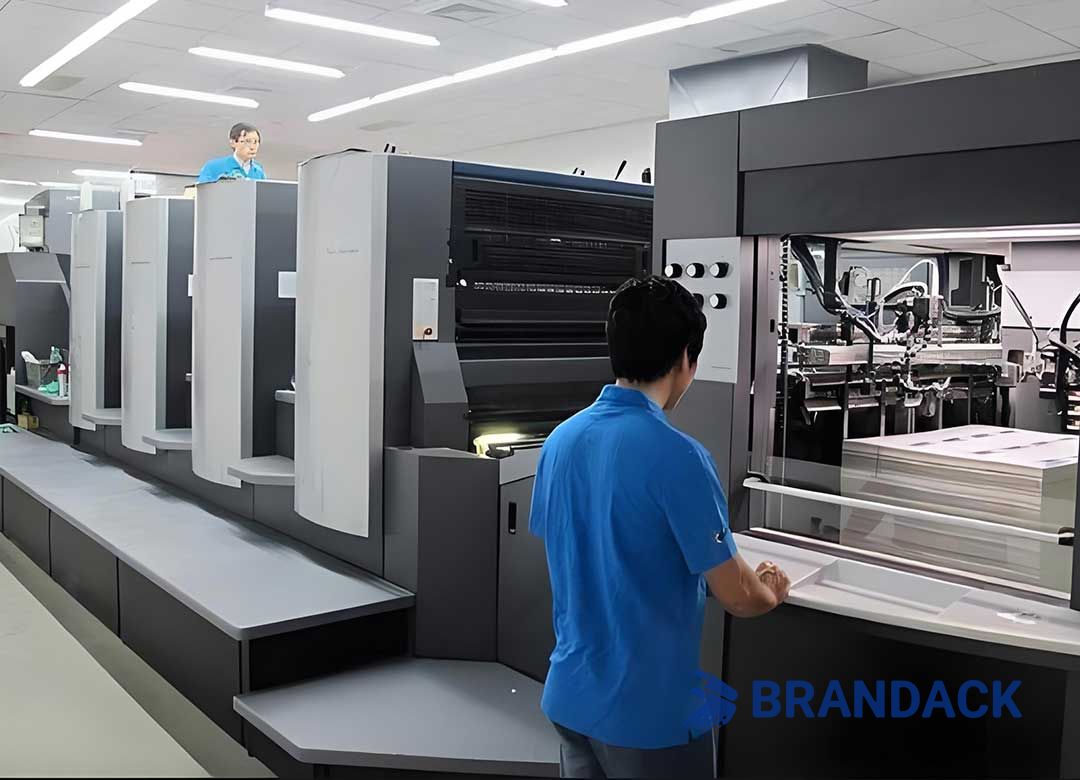
At our company, we offer a wide range of packaging materials and can help you choose the best option for your project. We prioritize quality, sustainability, and customization, ensuring your packaging not only protects your product but also reflects your brand’s values. Whether you need eco-friendly kraft paper boxes or premium glass containers, we’ll guide you through the selection process and bring your vision to life. Contact us today to learn more about our packaging materials and services!