Packaging surface treatment is a key step in enhancing the look, feel, and functionality of your product packaging. These processes not only elevate your brand’s aesthetic appeal but also protect the packaging from damage, improve print quality, and even extend its lifespan. Whether you’re aiming for a premium, matte finish or a eye-catching, glossy look, choosing the right surface treatment can make your packaging stand out on shelves. Below, we break down the most commonly used packaging surface treatment processes, their benefits, and ideal use cases - helping you select the perfect option for your brand and product.
1. Lamination
Lamination is one of the most popular surface treatments, involving applying a thin plastic film (PET or BOPP) to the packaging surface. It’s versatile, durable, and available in multiple finishes to suit different brand styles.
Matte Lamination: Creates a smooth, non-glossy finish that reduces glare and gives packaging a sophisticated, premium look. Ideal for luxury brands, cosmetics, and high-end retail packaging. It also resists fingerprints, keeping packaging looking clean.
Gloss Lamination: Delivers a shiny, reflective finish that makes colors and designs more vibrant. Perfect for food packaging, toys, and retail products that need to stand out. It also provides excellent water and scratch resistance.
Soft-Touch Lamination: Adds a velvety, tactile feel to packaging, creating a luxurious and memorable experience. Great for premium cosmetics, skincare, and gift packaging - encouraging customers to touch and engage with the product.
2. UV Coating
UV coating is a clear, liquid coating applied to packaging and cured with ultraviolet light. It’s a cost-effective alternative to lamination, offering a smooth, protective finish with various effects.
Gloss UV Coating: Provides a high-shine finish that enhances color vibrancy and adds a sleek, professional look. It’s thinner than lamination, making it ideal for packaging with intricate details or folded edges (e.g., business cards, small boxes).
Matte UV Coating: Offers a non-reflective, smooth finish that exudes elegance. It’s often used for text or logos to create contrast against a glossy background, drawing attention to key brand elements.
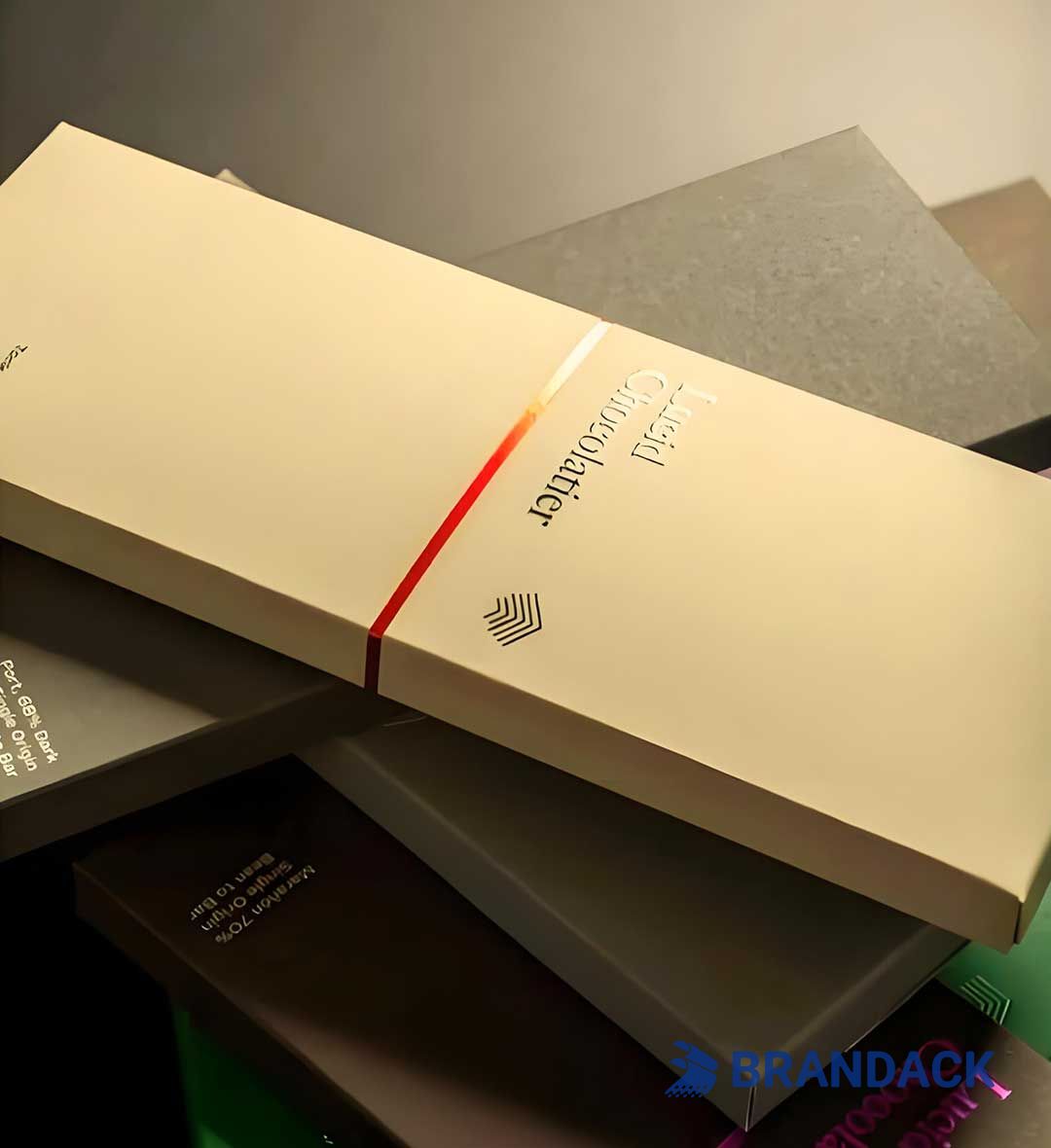
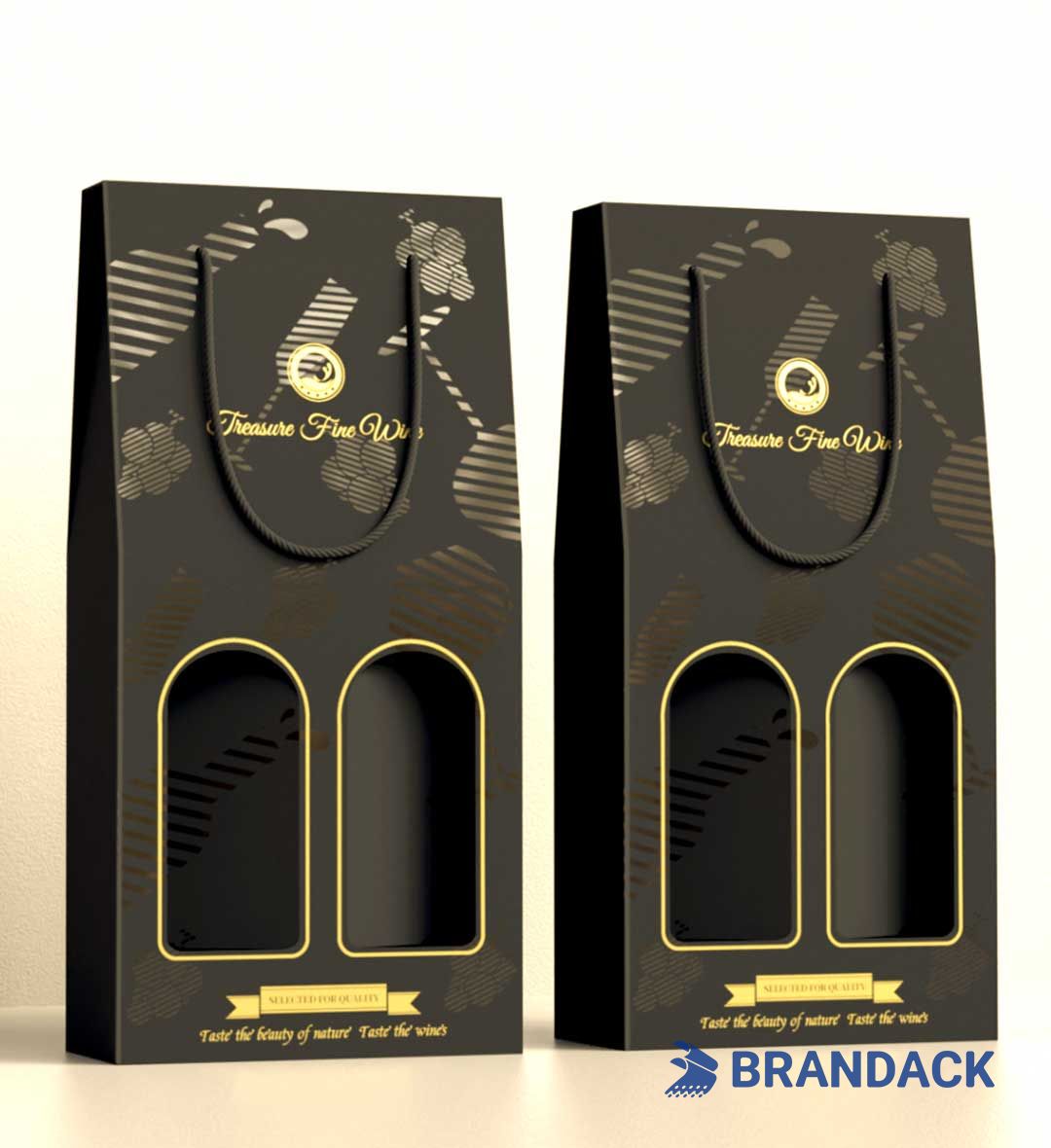
Spot UV Coating: Applied only to specific areas (e.g., logos, text, or graphics) rather than the entire surface. This creates a striking contrast between the coated and uncoated areas, making key elements pop - perfect for branding and highlighting important information.
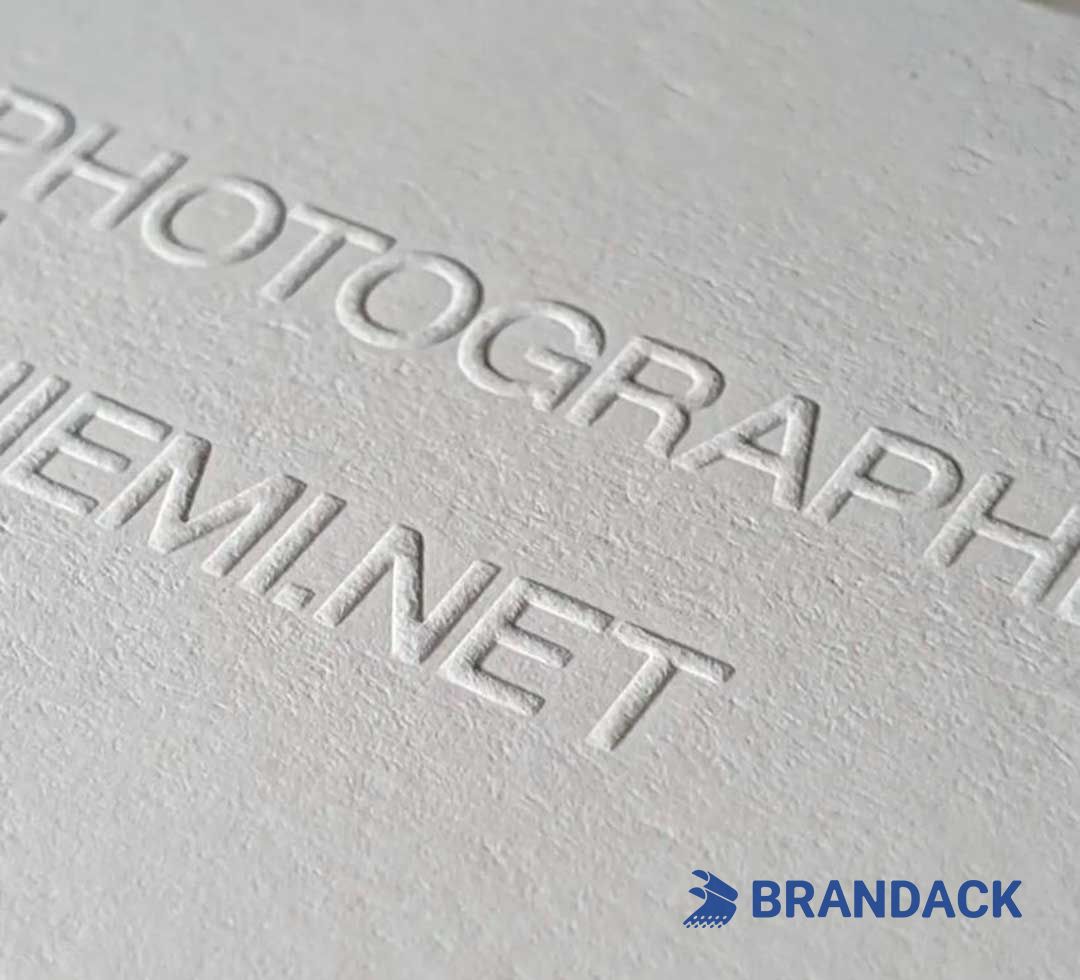
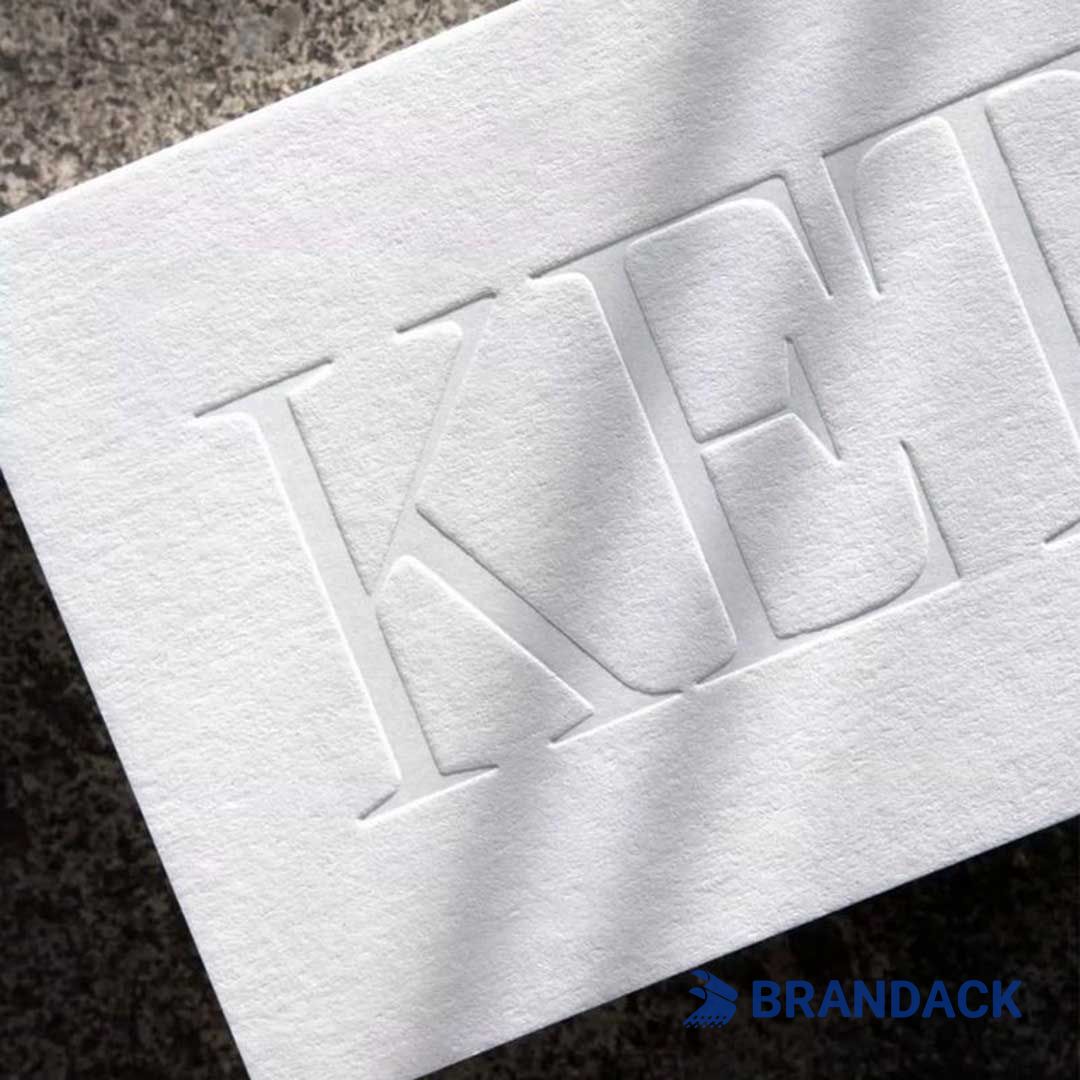
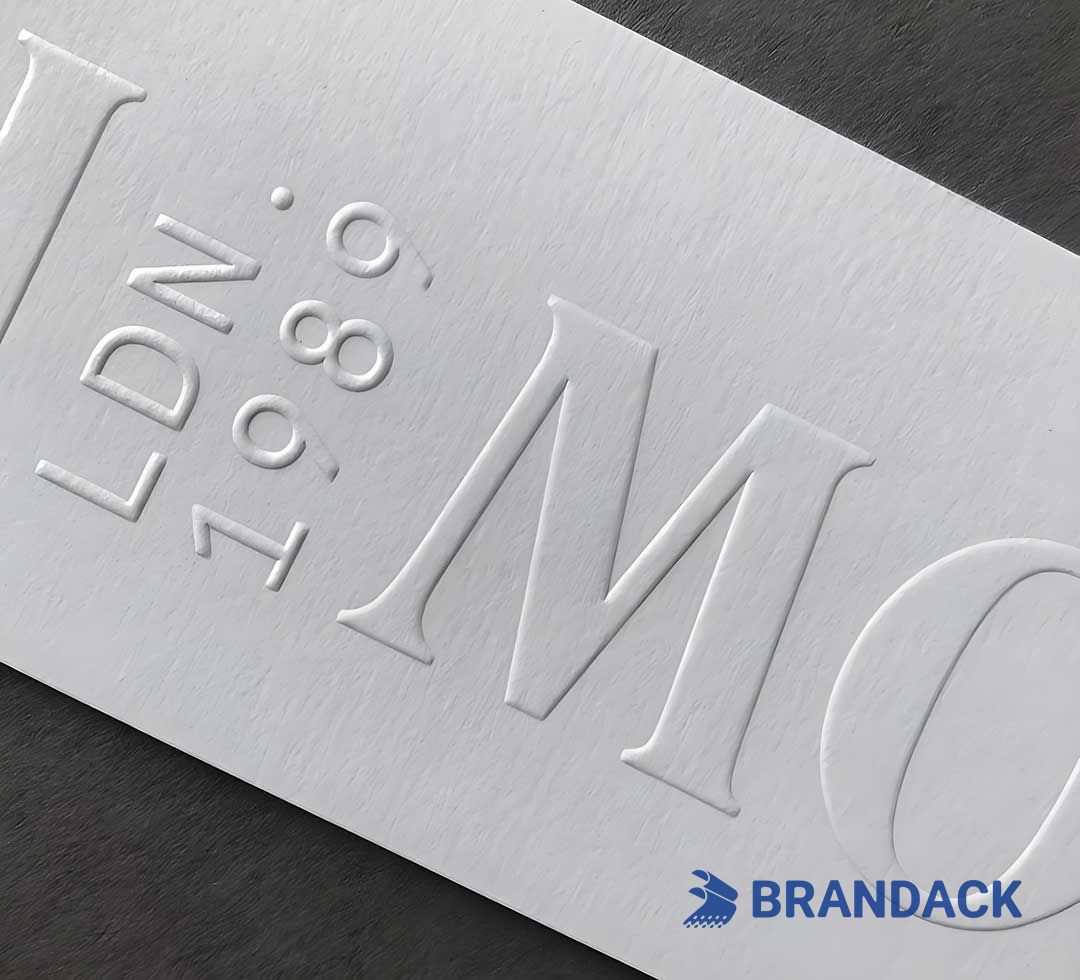
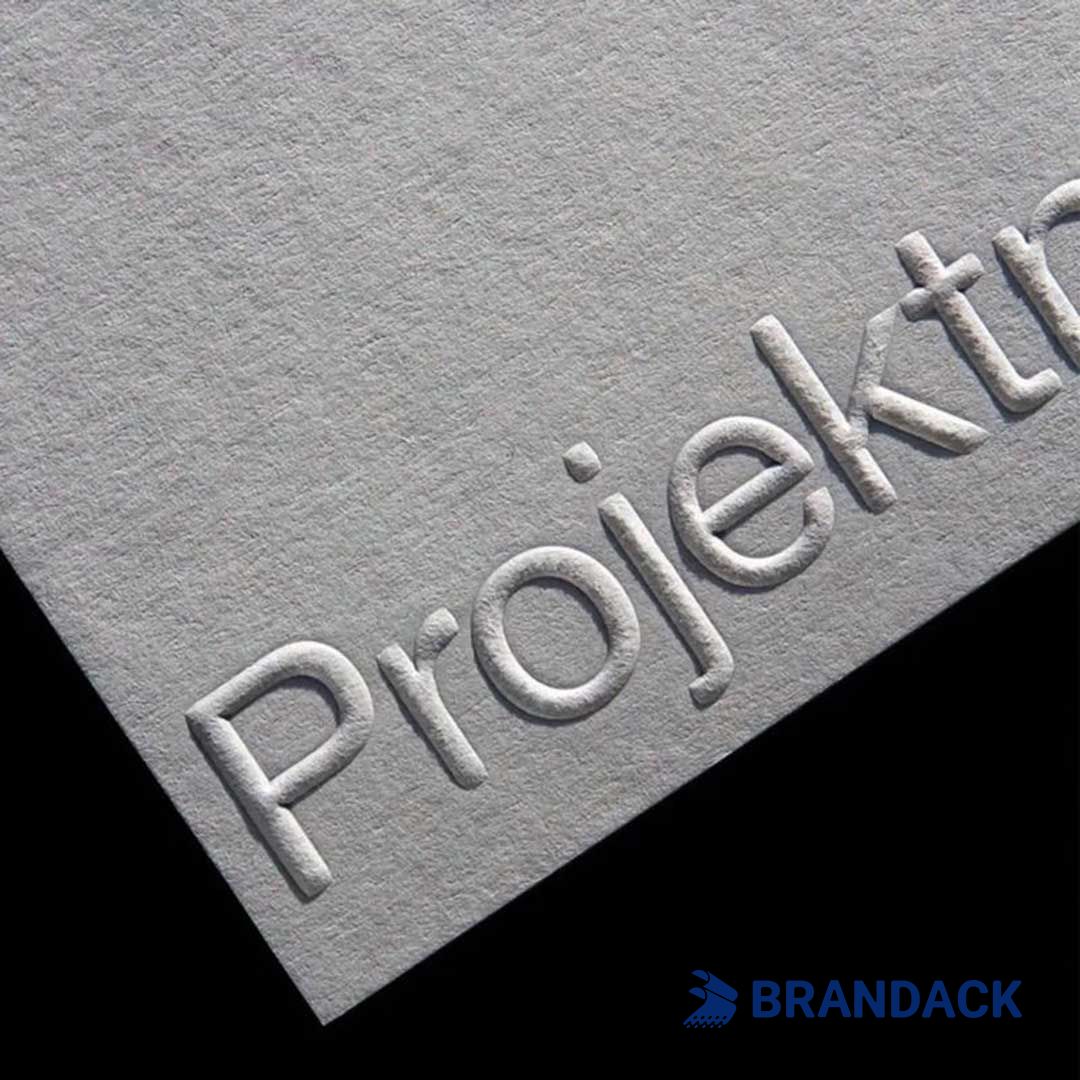
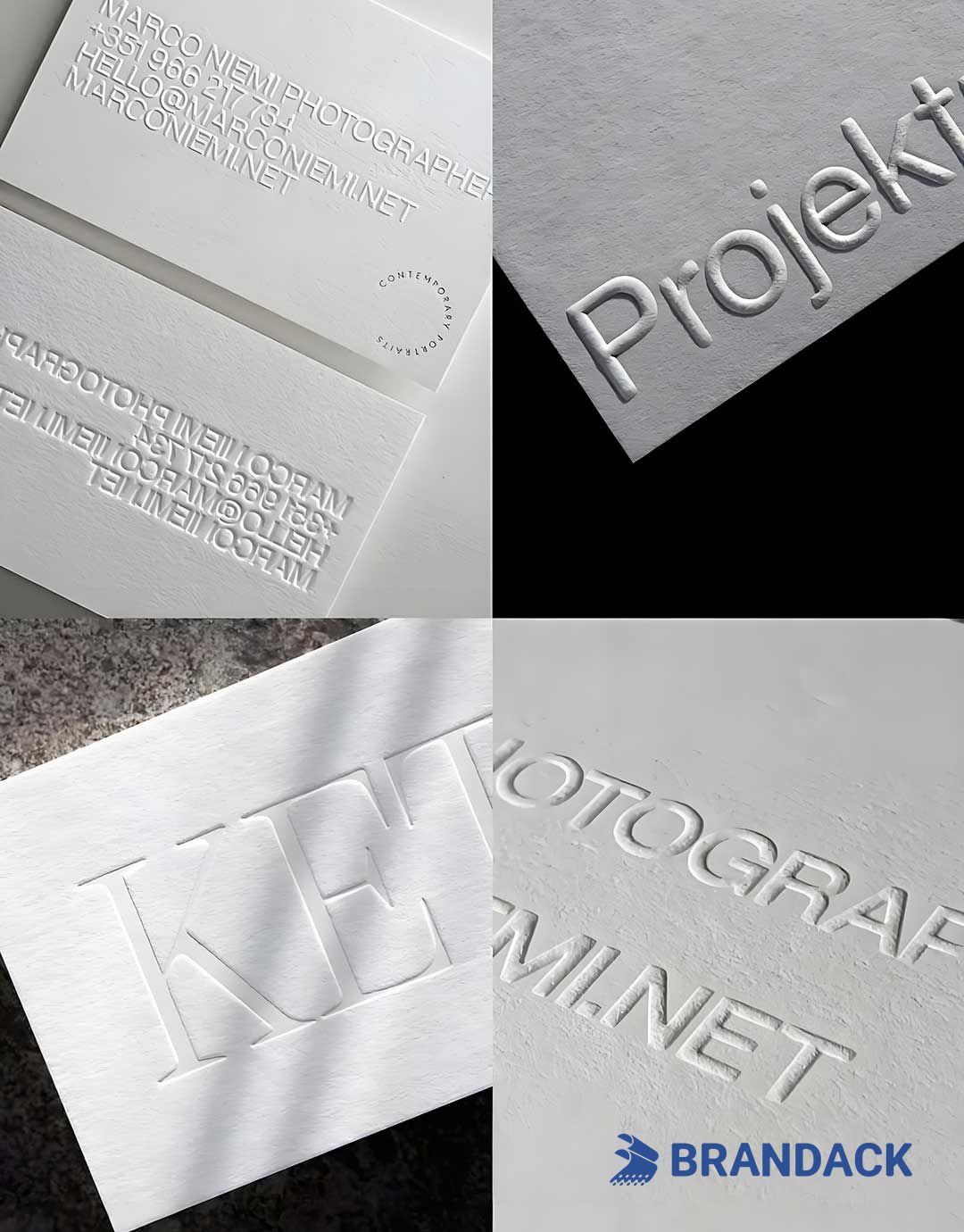
3. Embossing & Debossing
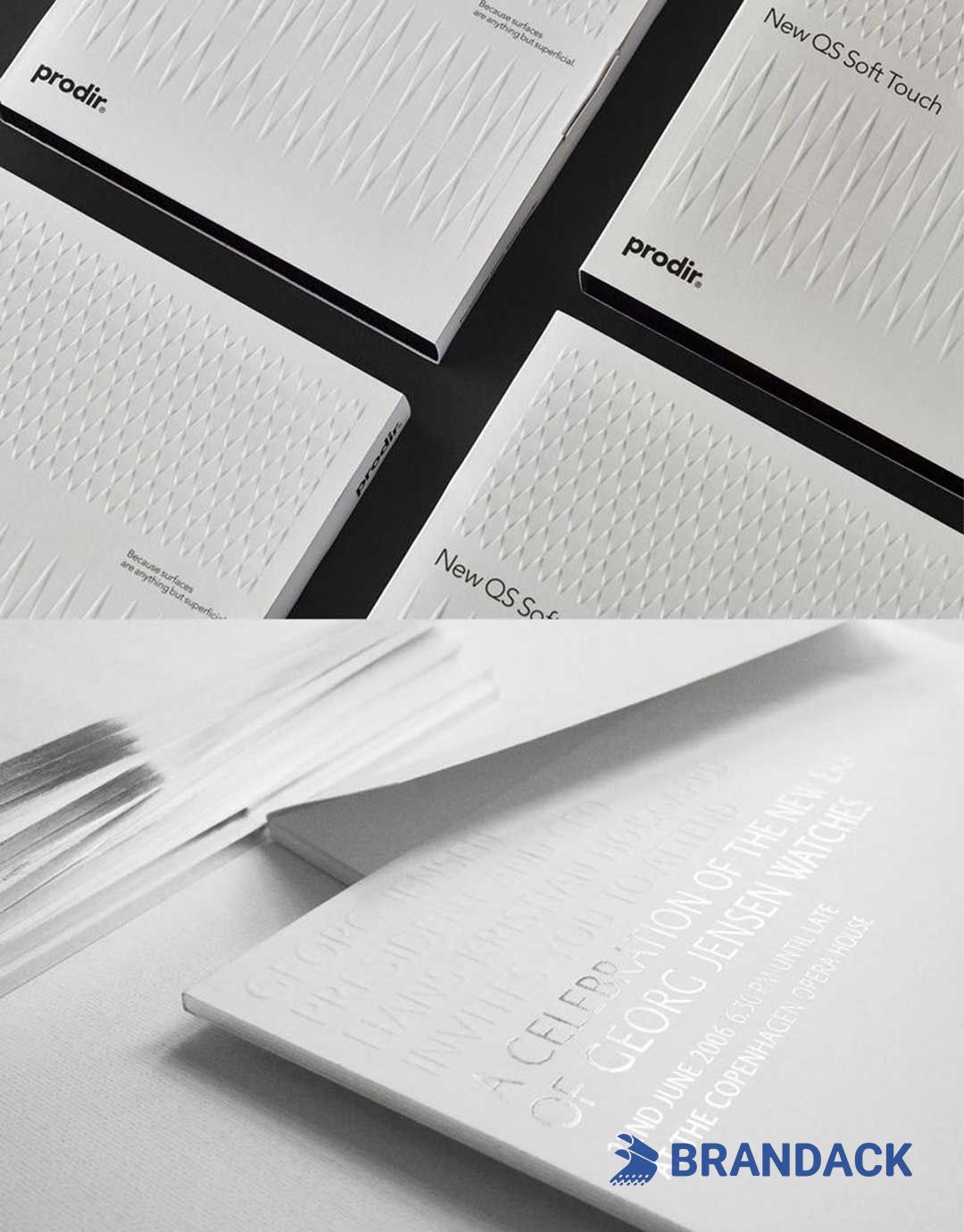
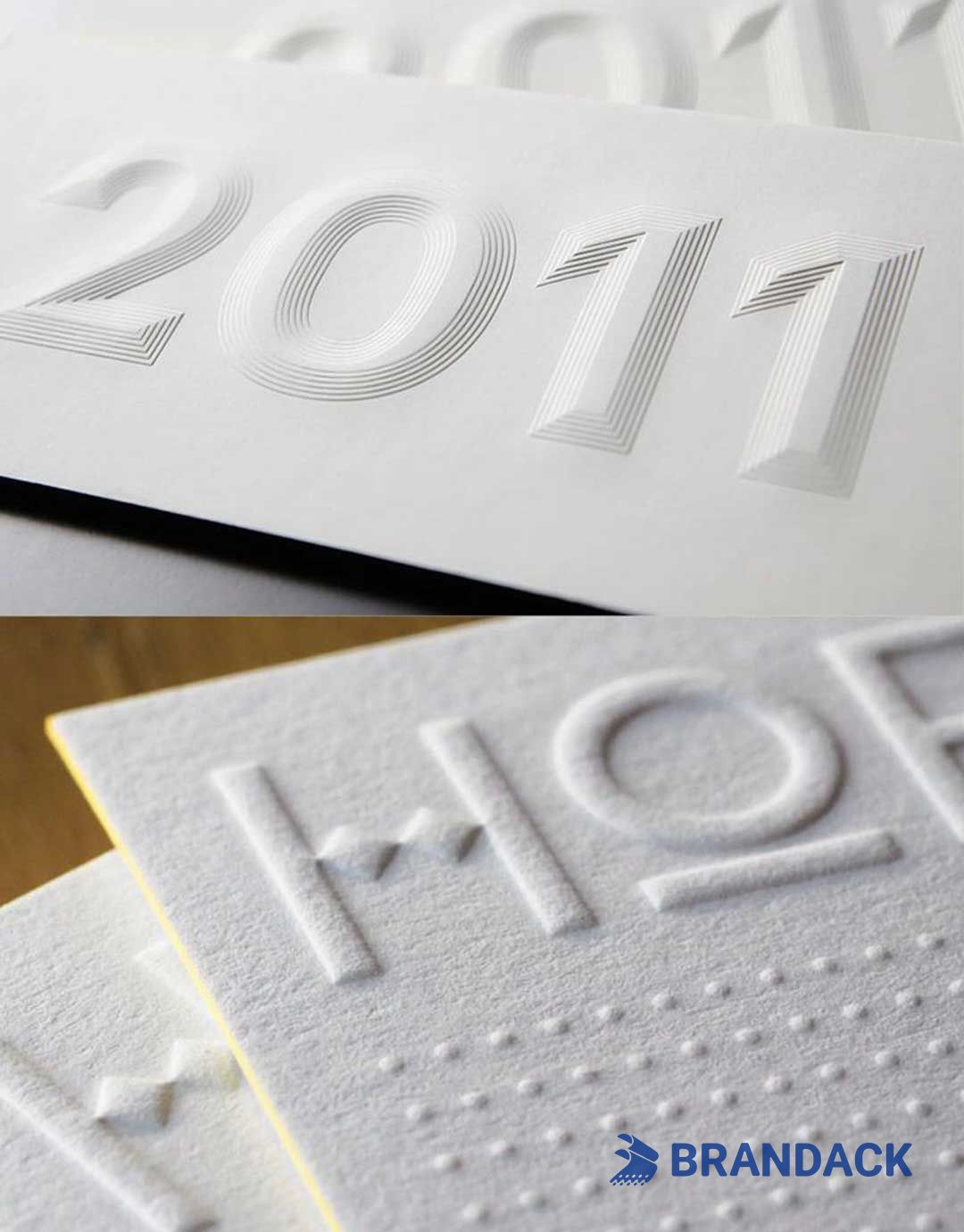
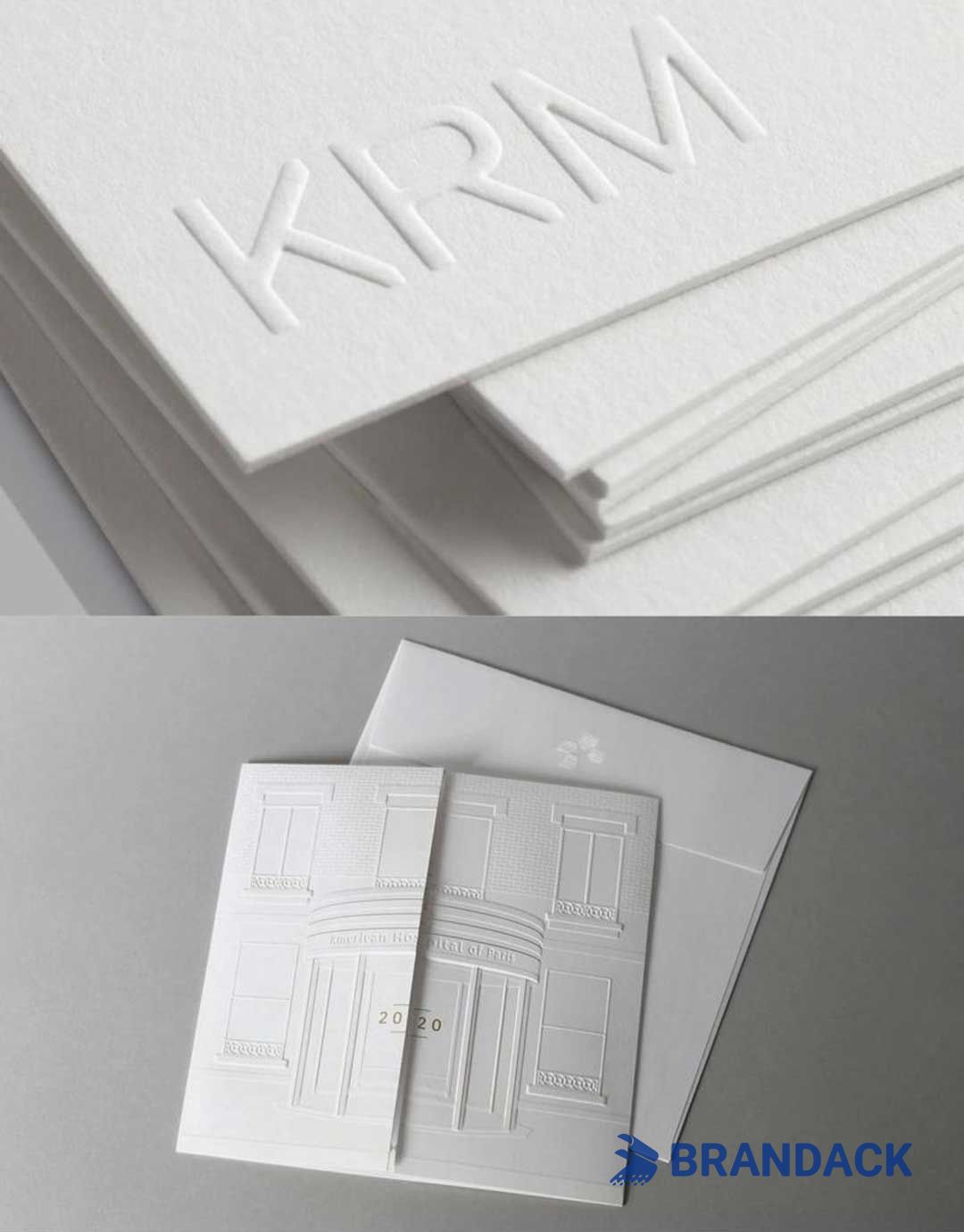
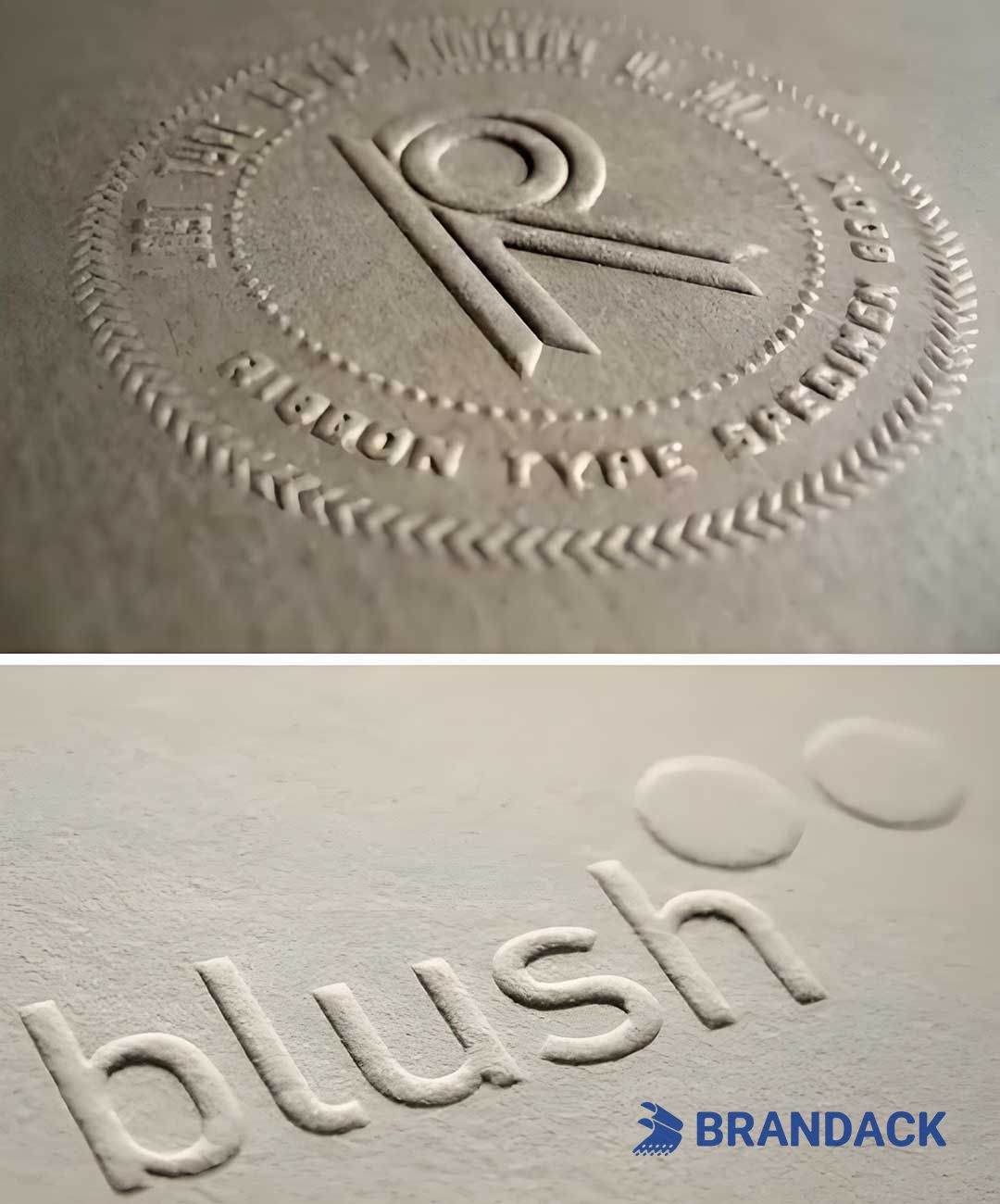
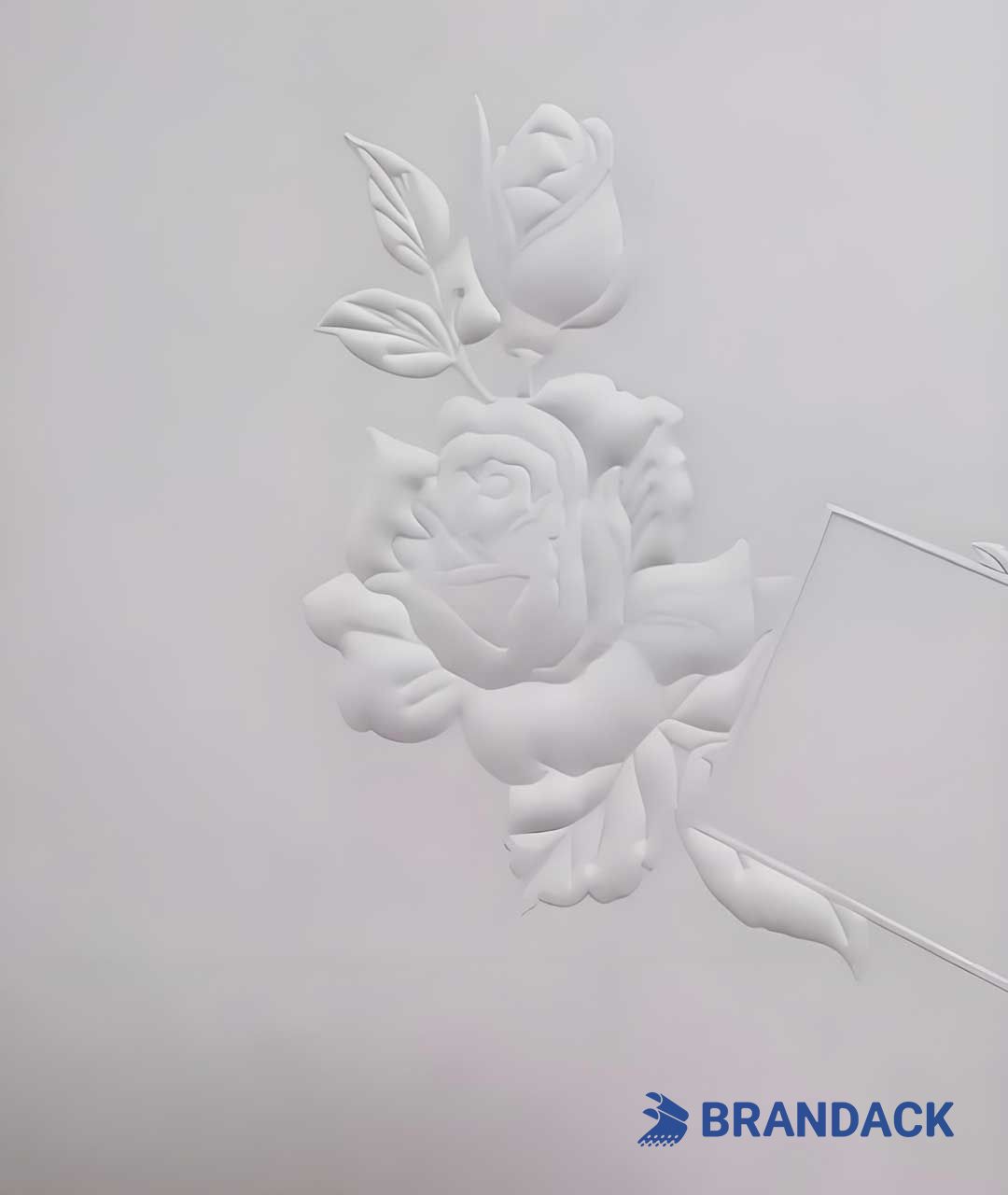
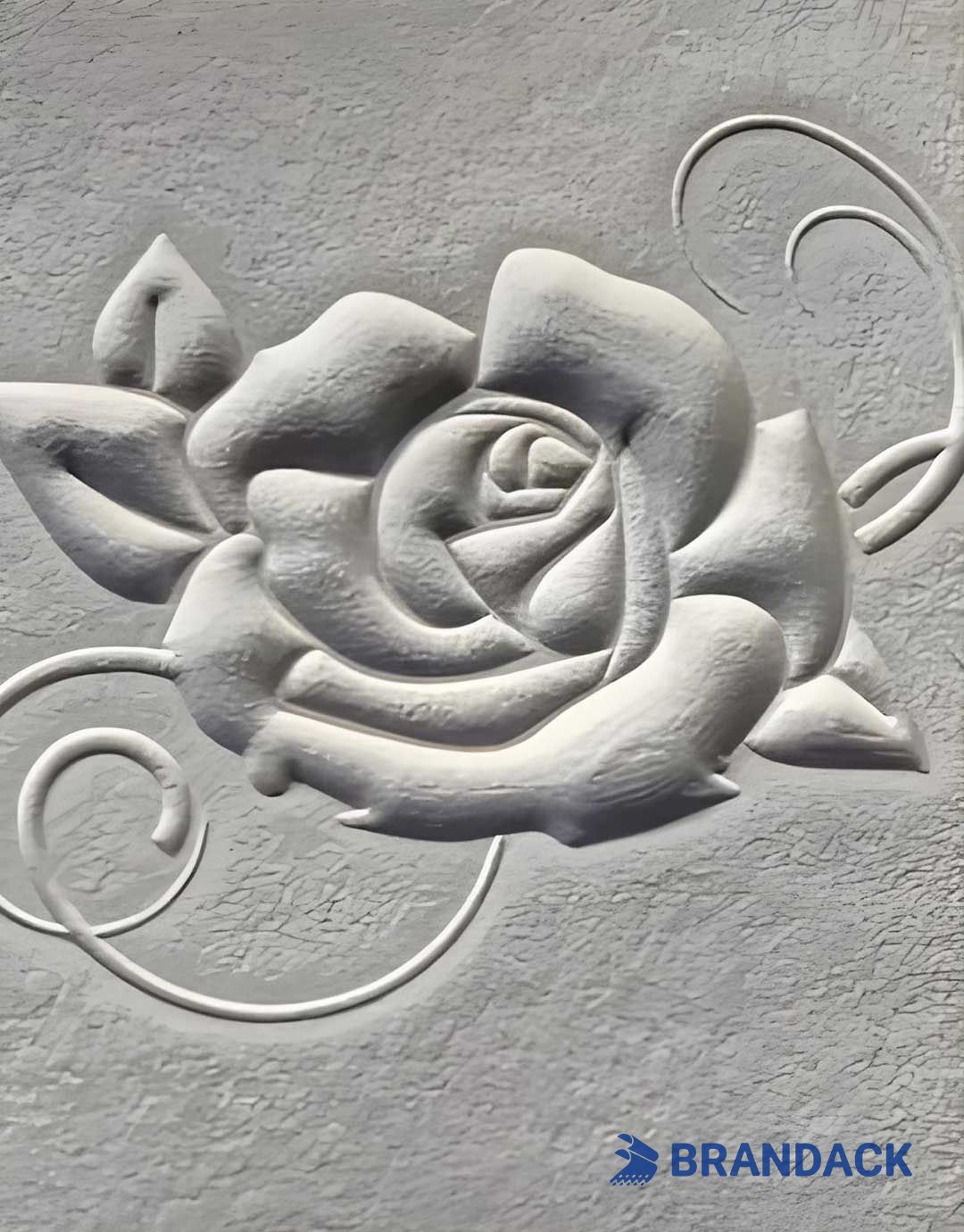
These processes create tactile, 3D effects on packaging, adding depth and a premium feel. They’re often used alongside other treatments (e.g., UV coating) to enhance brand recognition.
Embossing: Raises the surface of the packaging (e.g., logo, pattern) to create a 3D effect that can be seen and felt. Ideal for luxury brands, gift boxes, and cosmetic packaging - adding a sense of craftsmanship and sophistication.
Debossing: Presses the surface inward to create a recessed 3D effect. It’s subtler than embossing but still adds a refined, elegant touch. Common uses include brand logos, monograms, and minimalist packaging designs.
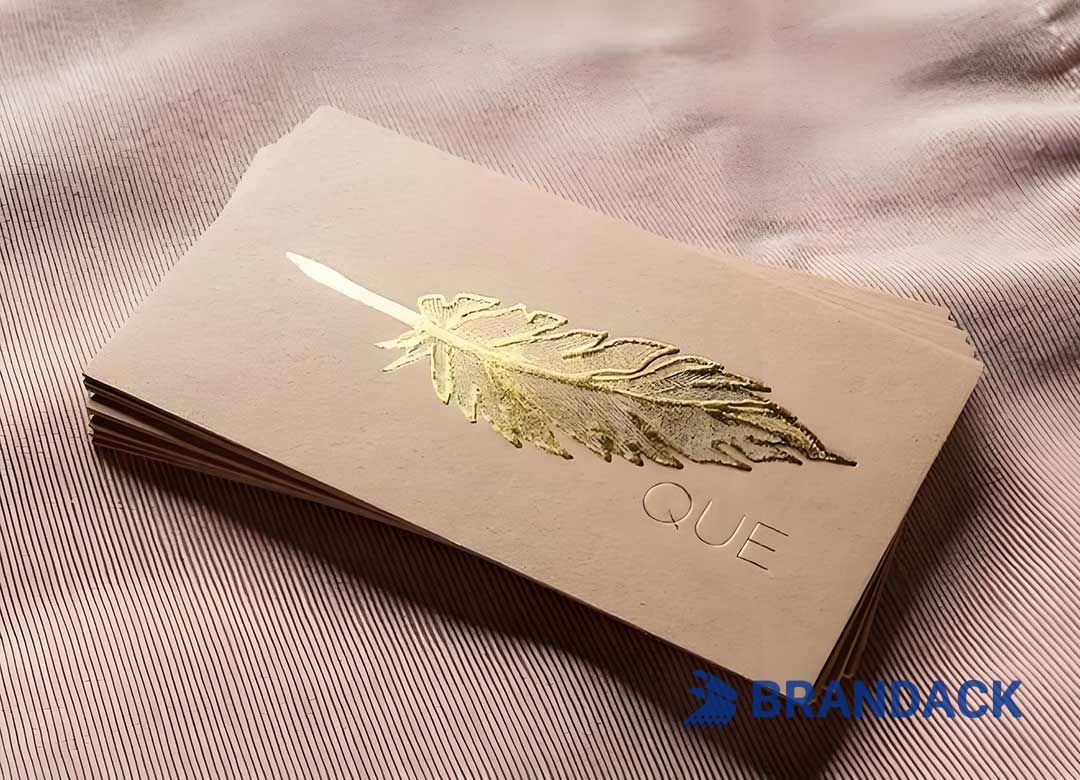
4. Foil Stamping
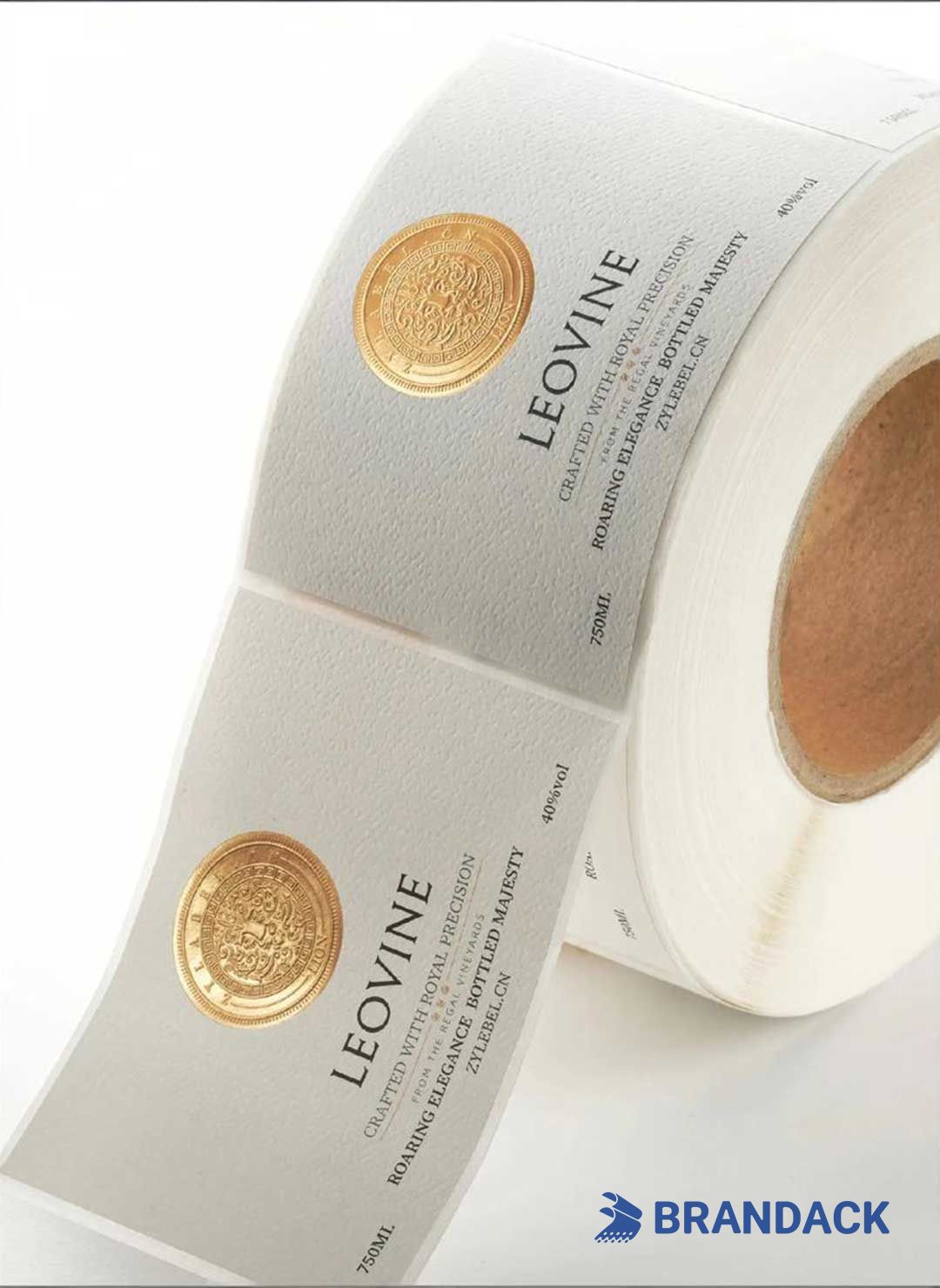
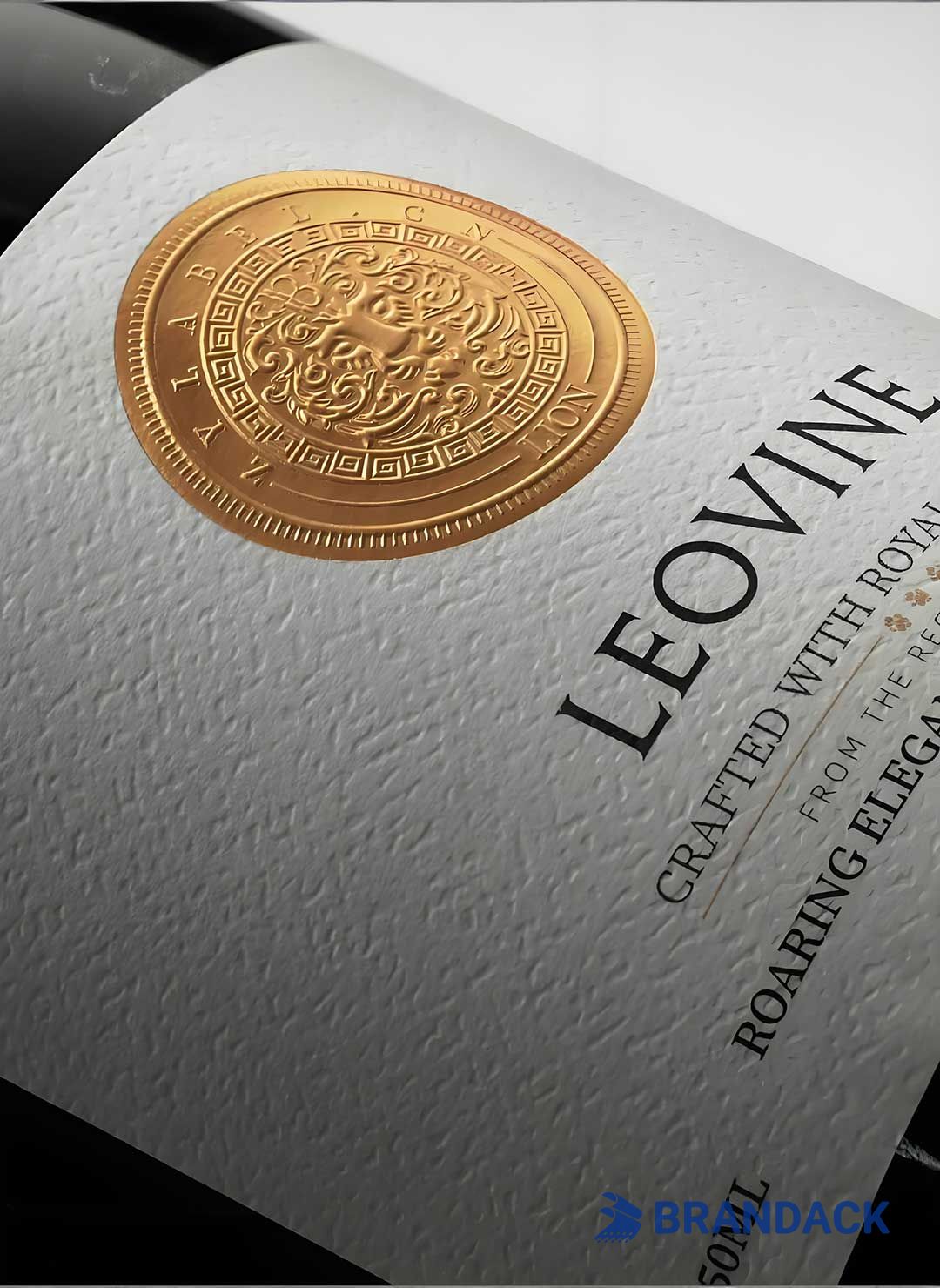
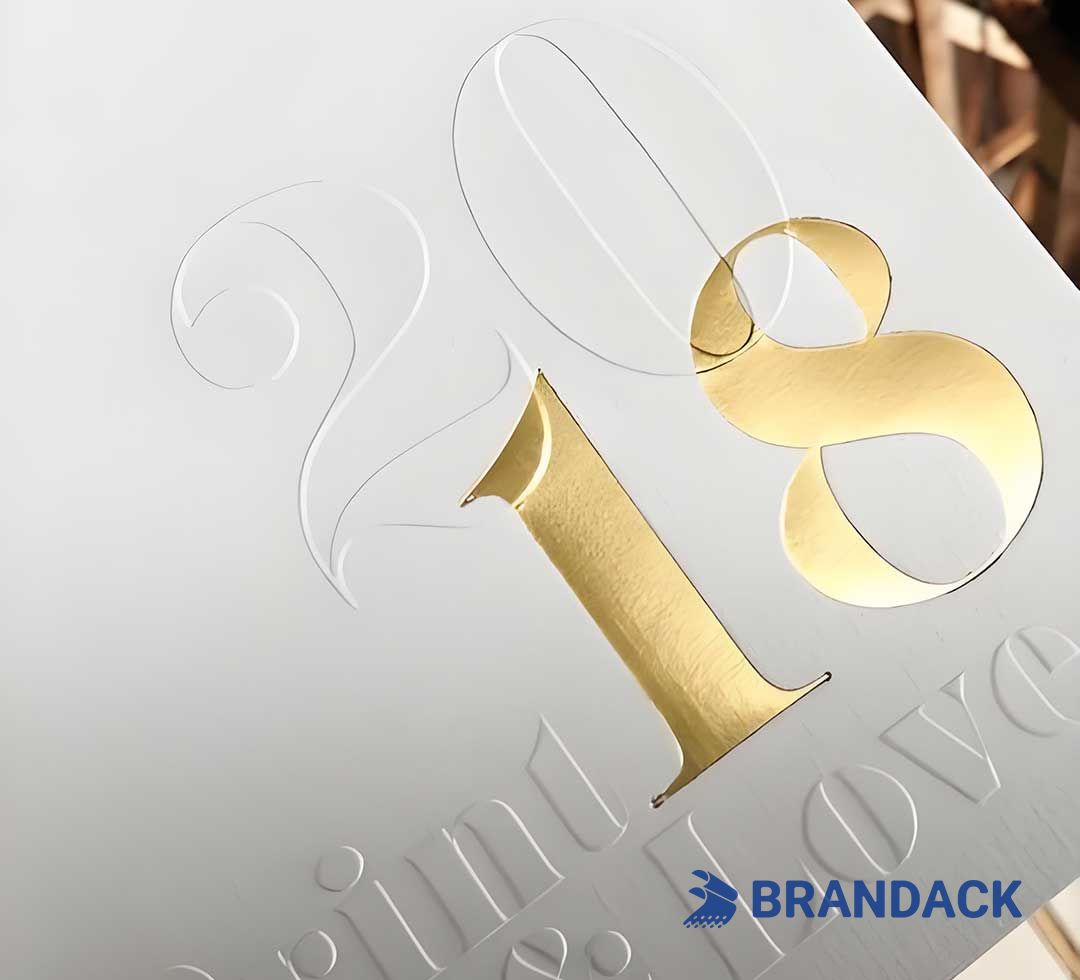
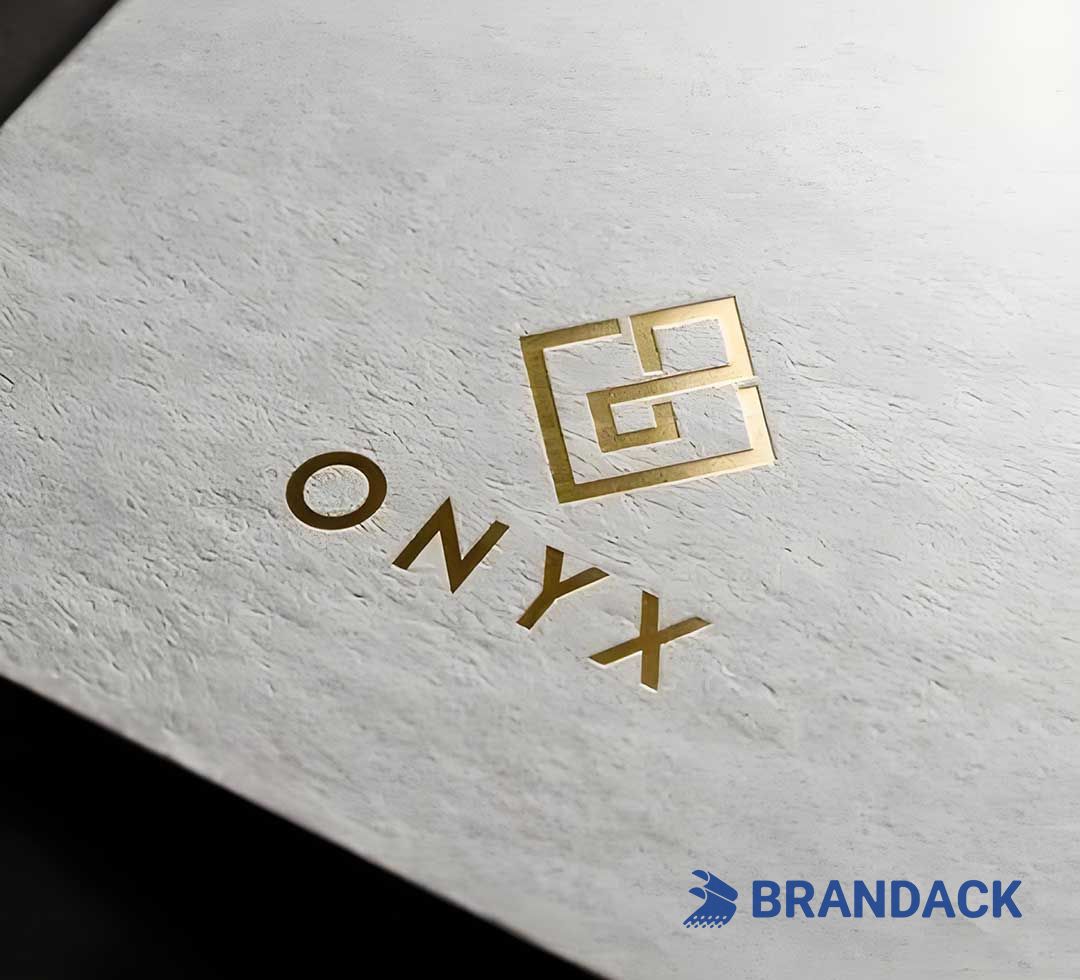
Foil stamping (also called hot stamping) involves applying a thin layer of metallic or colored foil to the packaging surface using heat and pressure. It’s a premium treatment that adds a luxurious, eye-catching shine.
Metallic Foil: Gold, silver, and copper foils are the most popular, adding a glamorous touch to packaging. Ideal for luxury products, gift boxes, and high-end cosmetics - perfect for standing out on shelves.
Colored Foil: Available in a range of non-metallic colors (e.g., red, blue, black) to match brand palettes. It adds a bold, vibrant accent without the metallic sheen, suitable for modern or playful brands.
5. Varnishing
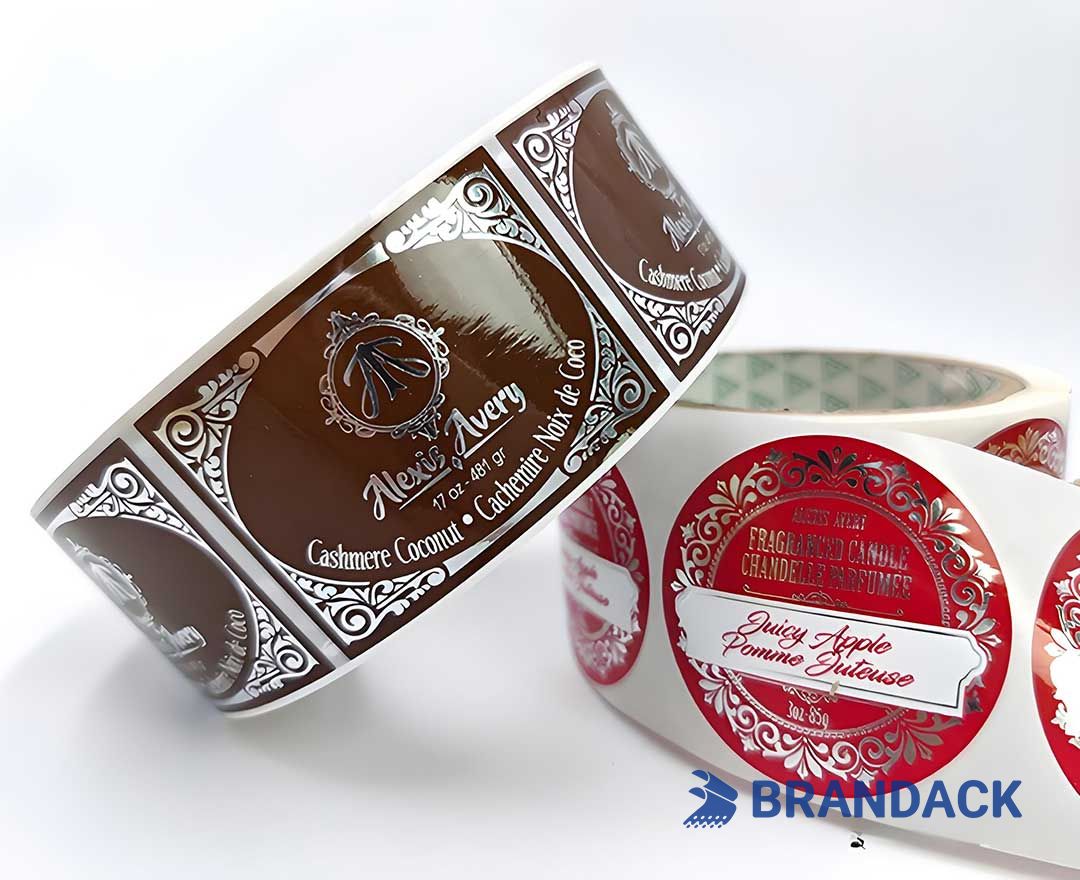
Varnishing is a thin, transparent coating applied to packaging to protect it and enhance its appearance. It’s similar to UV coating but uses solvent-based or water-based formulas, making it more flexible for different packaging materials.
Water-Based Varnish: Eco-friendly and low-odor, it provides a subtle shine and basic protection. Ideal for paper-based packaging (e.g., kraft boxes, paper bags) and brands prioritizing sustainability.
Solvent-Based Varnish: Offers a higher shine and better water resistance than water-based varnish. It’s suitable for plastic or cardboard packaging that needs extra durability (e.g., shipping boxes, food packaging).
6. Die Cutting & Creasing
While not a “finish” in the traditional sense, die cutting and creasing are essential surface-related processes that shape packaging and enhance its functionality.
Die Cutting: Uses a custom die to cut packaging into unique shapes (e.g., custom boxes, window cutouts). It adds visual interest and helps packaging stand out, while also ensuring a precise, professional fit for your product.
Creasing: Creates a clean, foldable line on packaging (e.g., box flaps), making it easier to assemble and ensuring a neat, professional finish. It prevents the paper from tearing and ensures consistent folding across all packaging units.
How to Choose the Right Surface Treatment
When selecting a surface treatment, consider your brand aesthetic, product type, budget, and functionality. For example, luxury brands may opt for soft-touch lamination or foil stamping, while eco-friendly brands might choose water-based varnish or matte lamination. High-traffic packaging (e.g., shipping boxes) benefits from durable treatments like gloss lamination or solvent-based varnish.
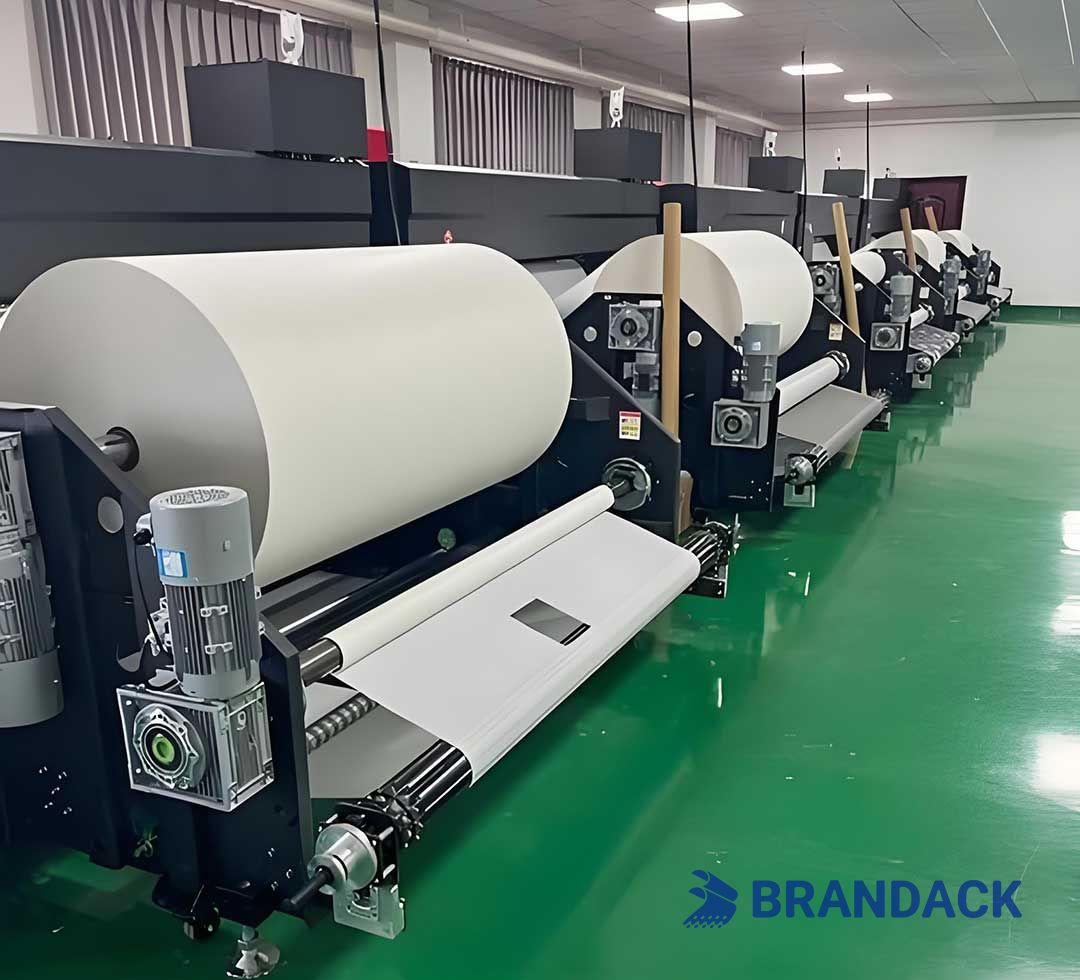
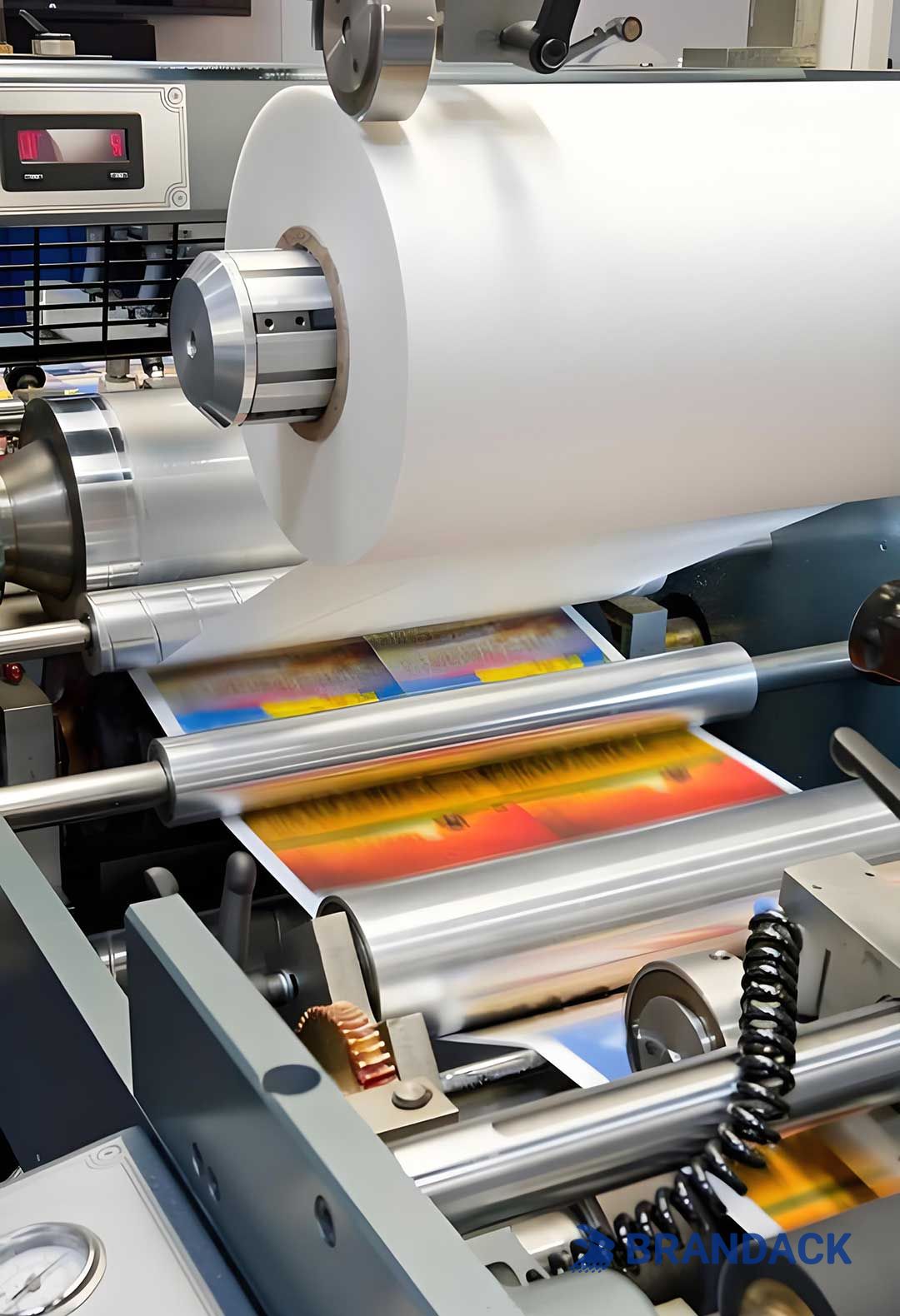
At our company, we offer all these common surface treatment processes and can help you choose the perfect option for your packaging. Our team will work with you to align the treatment with your brand goals, ensuring your packaging looks professional, stands out, and protects your product. Contact us today to learn more about our surface treatment services and how we can elevate your packaging!