When preparing for a printing project - whether it’s packaging, brochures, business cards, or flyers - you’ll likely encounter two types of proofing: digital and print. While both serve the same core purpose - letting you verify your design before mass printing - they differ significantly in format, accuracy, use cases, and cost. Understanding these differences is key to choosing the right proofing option for your project, avoiding delays, and ensuring the final printed product matches your vision. Below, we break down exactly what digital and print proofing are, their key differences, when to use each, and how they impact your printing project.
1. What is Digital Proofing?
Digital proofing is a virtual, screen-based way to review your design. It involves sending you a digital file - most commonly a high-resolution PDF - of your design, which you can view on your computer, tablet, or phone. This type of proof is quick, convenient, and designed to let you check basic design details without the need for physical printing.
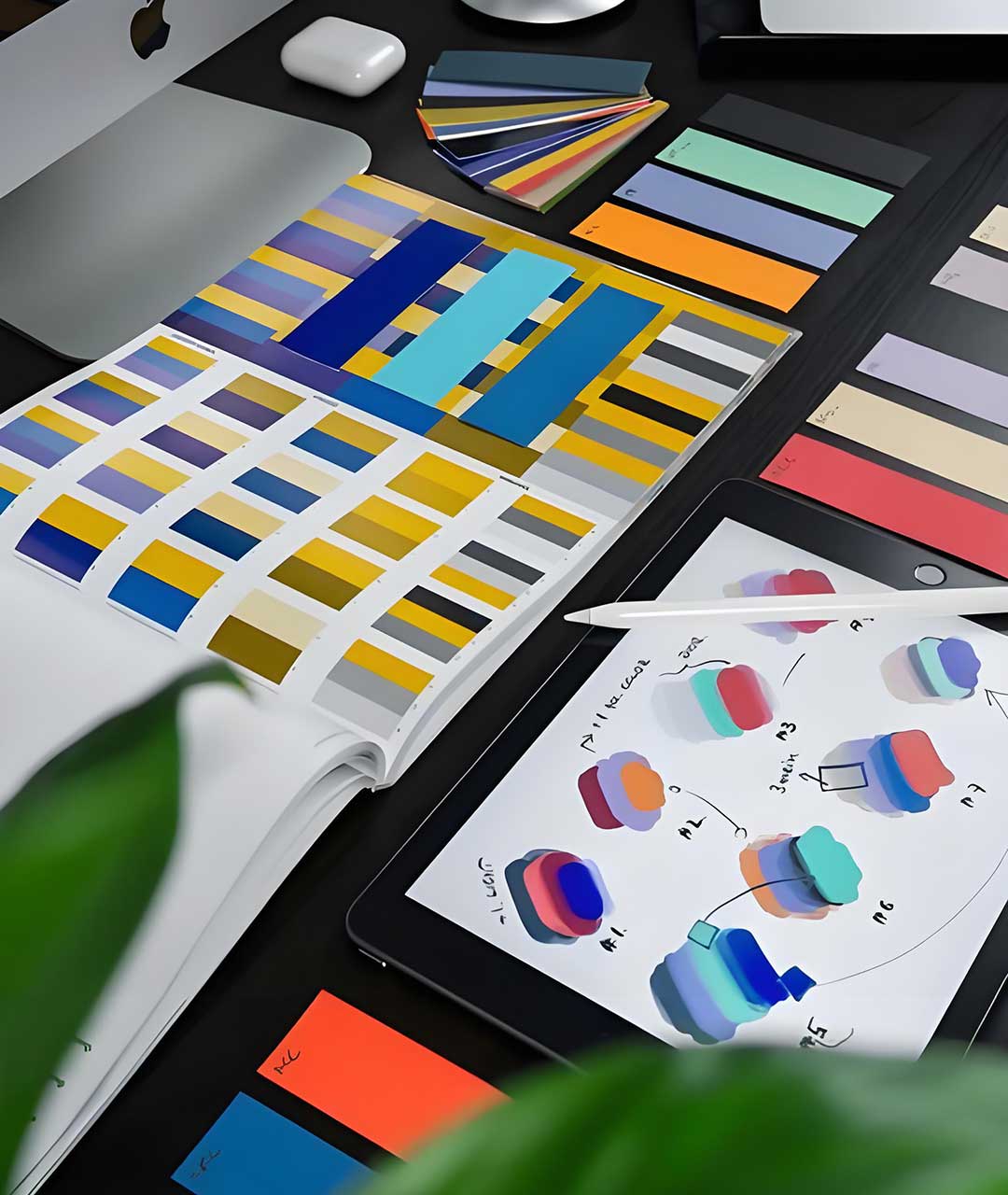
Digital proofs are typically optimized to reflect print-ready settings: they use CMYK color mode (not RGB), include bleed and trim marks, and show the exact layout, text, and images that will appear in the final print. They’re ideal for fast reviews and minor adjustments, as they can be sent and approved in hours, rather than days.
2. What is Print Proofing?
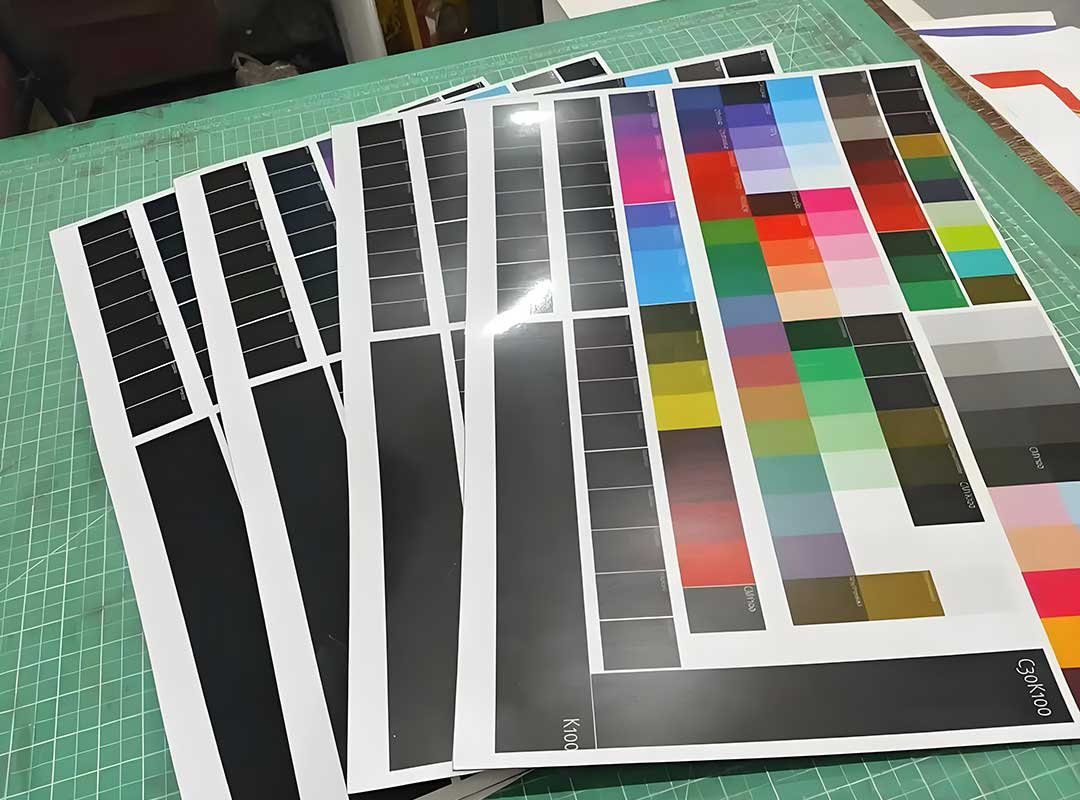
Print proofing (also called “physical proofing” or “hard copy proofing”) involves creating a physical sample of your design, printed on the same (or similar) paper and using the same ink as your final print run. This is a tangible, physical version of your printed item - exactly as it will look when mass-produced.
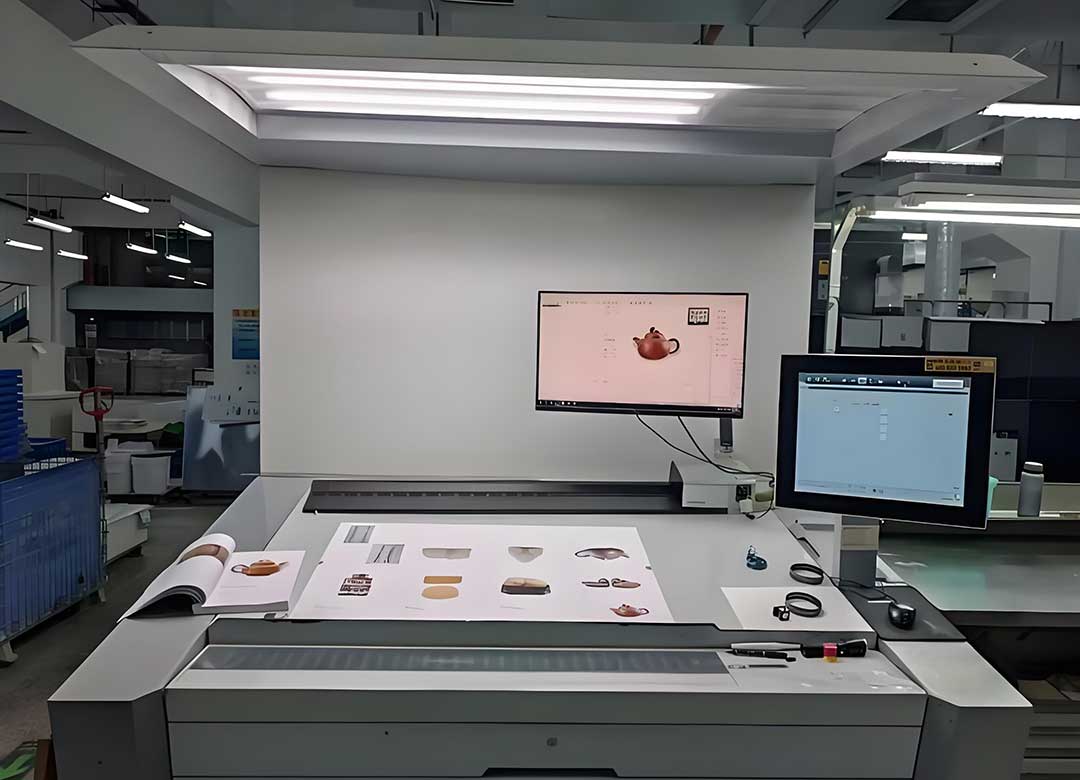
Print proofs are created using professional printing equipment, ensuring they accurately reflect color, paper texture, finish, and even special effects (e.g., embossing, foil stamping, lamination). Unlike digital proofs, they let you touch, feel, and examine the design in real life - critical for projects where physical details matter most.
3. Key Differences Between Digital and Print Proofing
To help you choose the right option, here’s a clear breakdown of the core differences between digital and print proofing:
a. Format & Accessibility
Digital Proofing: Virtual file (PDF, JPG) viewed on a screen. Accessible anywhere, anytime - you just need a device with internet access. No physical delivery required.
Print Proofing: Physical, tangible sample delivered to your address or available for pickup. Requires time for printing and shipping, and you need to be able to physically examine it.
b. Color Accuracy
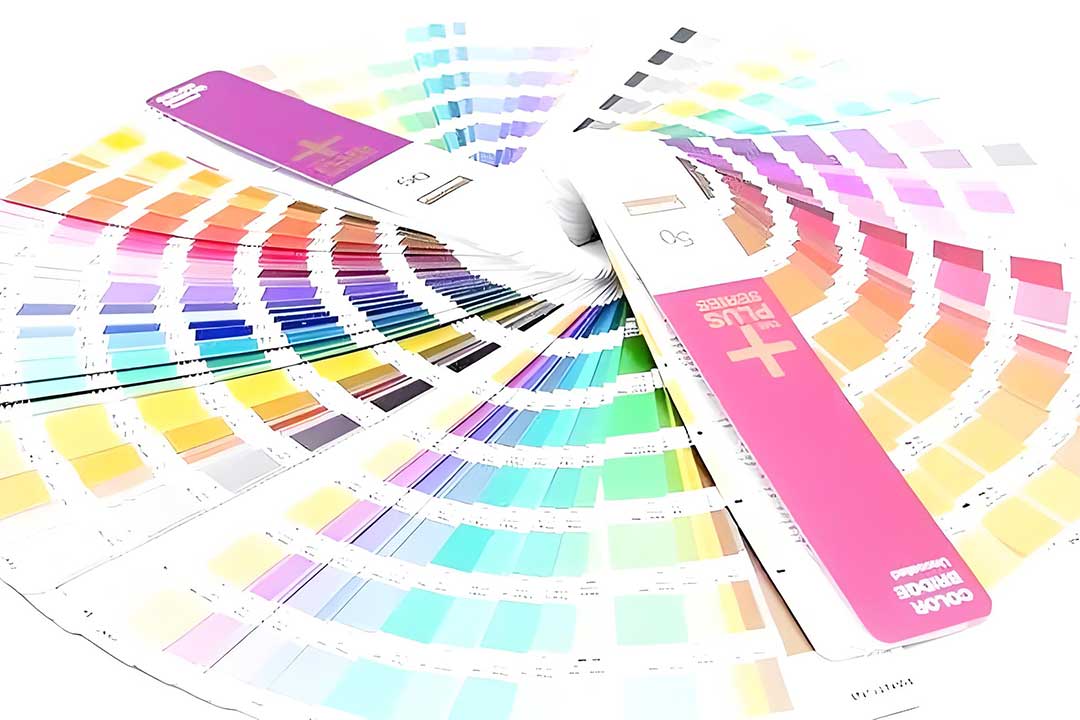
Digital Proofing: Color accuracy is limited by your screen. Even with a calibrated monitor, digital proofs can’t perfectly replicate printed colors (CMYK). They give a close approximation but may not show subtle color variations.
Print Proofing: The most accurate representation of final print colors. Since it’s printed with the same ink and paper as your final order, you’ll see exactly how colors will look - no guesswork or screen-related discrepancies.
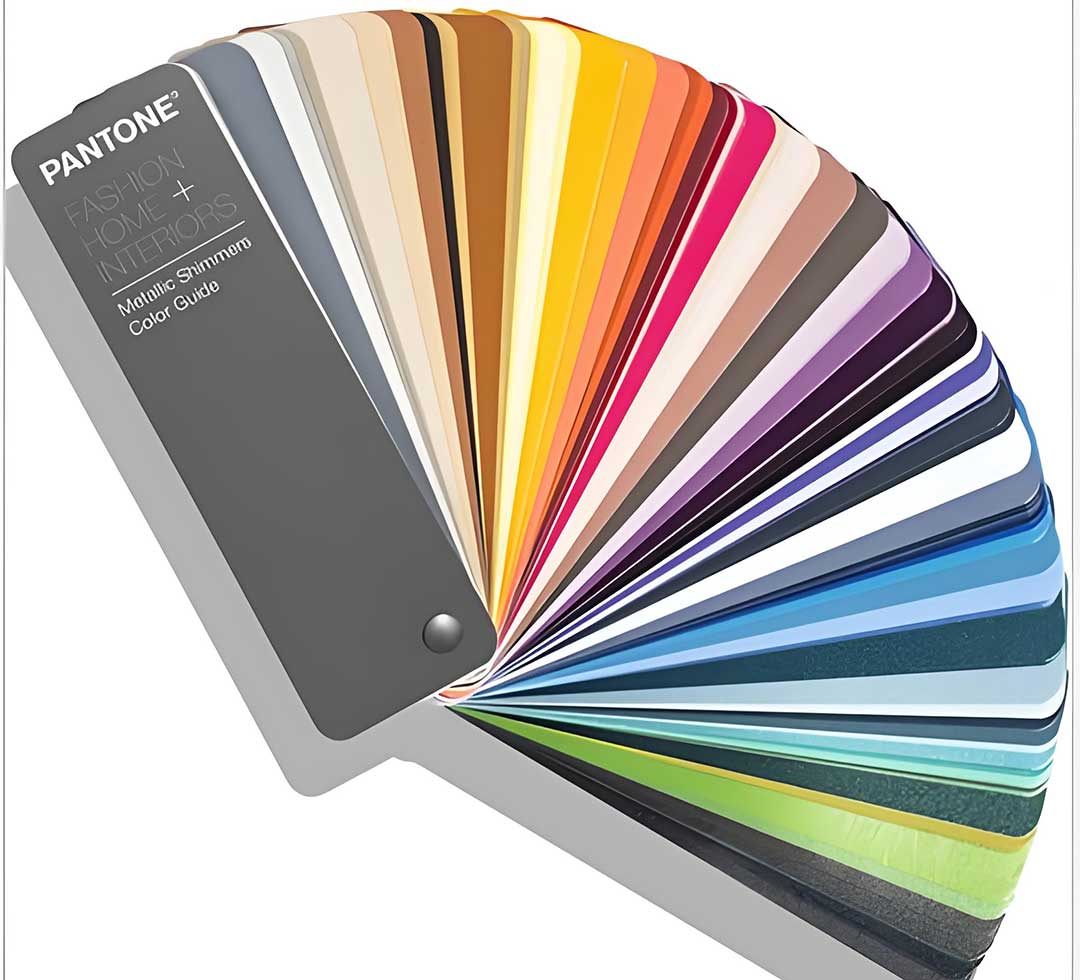
c. Physical Details & Finishes
Digital Proofing: Can show a visual representation of finishes (e.g., foil, embossing) but can’t replicate texture, shine, or tactile feel. You’ll see what the finish looks like, but not how it feels.
Print Proofing: Lets you feel paper texture (e.g., glossy, matte, recycled) and experience finishes firsthand. You can check how embossing raises the paper, how foil stamping catches the light, or how lamination adds a smooth finish - details digital proofs can’t convey.
d. Speed & Cost
Digital Proofing: Fast and affordable. Digital proofs are ready in minutes to hours, and most printers offer them for free or at a low cost. They’re ideal for tight deadlines.
Print Proofing: Slower and more expensive. Creating a physical proof takes time (1-3 business days, plus shipping), and it costs more due to ink, paper, and labor. However, it’s a worthwhile investment for high-stakes projects.
e. Best Use Cases
Digital Proofing: Perfect for simple projects (e.g., business cards, basic flyers), quick revisions, or when you’re on a tight budget/deadline. Use it to check text, layout, and basic color consistency.
Print Proofing: Essential for high-stakes projects (e.g., custom packaging, luxury brochures, brand materials), or when color, texture, or finishes are critical. Use it to confirm every physical detail before mass printing.
4. Do I Need Digital Proofing, Print Proofing, or Both?
Many projects benefit from both types of proofing: use digital proofing for quick initial reviews and minor adjustments (e.g., fixing typos, adjusting layout), then use print proofing to confirm color, paper, and finishes before the final print run. This combination ensures you catch errors early and avoid costly mistakes.
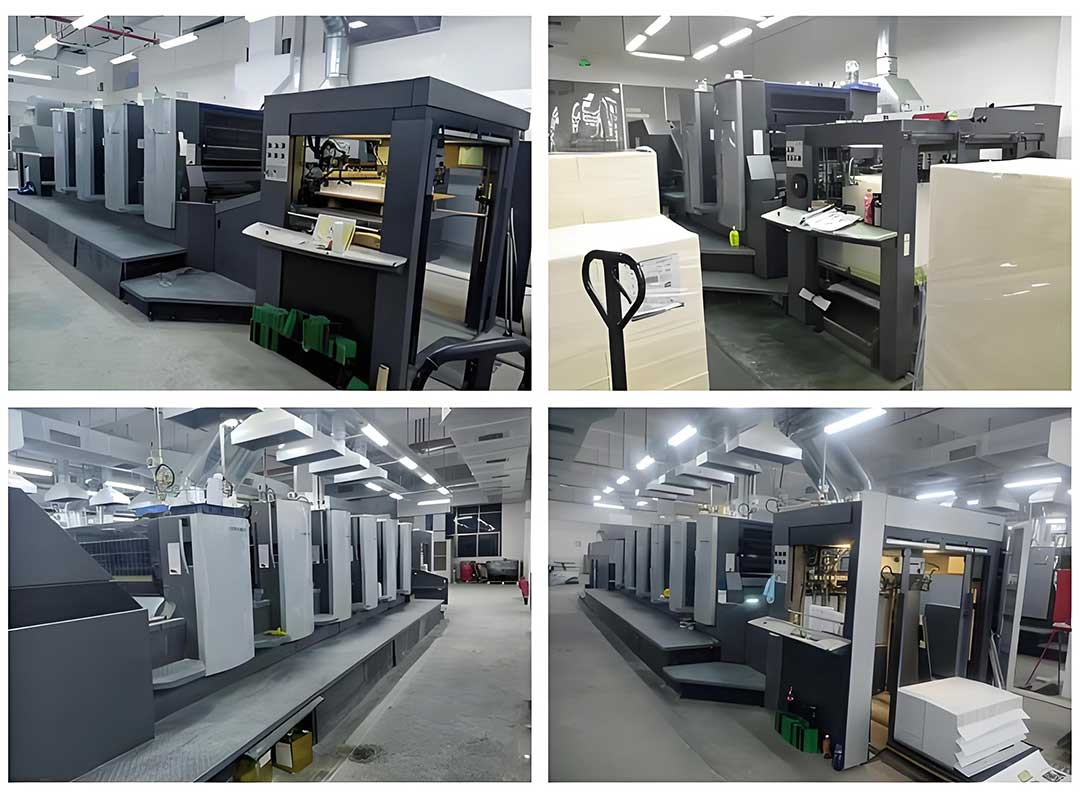
For simple projects (e.g., a basic flyer with no special finishes), digital proofing may be sufficient. For complex or high-end projects (e.g., custom packaging with foil stamping and a unique paper type), print proofing is non-negotiable - it’s the only way to ensure the final product meets your expectations.
How We Support Your Proofing Process
At our company, we offer both digital and print proofing options to fit your project’s needs and budget. We’ll guide you in choosing the right proofing type, send digital proofs quickly for fast reviews, and create high-quality print proofs that accurately reflect your final product. Our team is also available to walk you through reviewing your proof - whether digital or physical - to ensure you don’t miss any details.
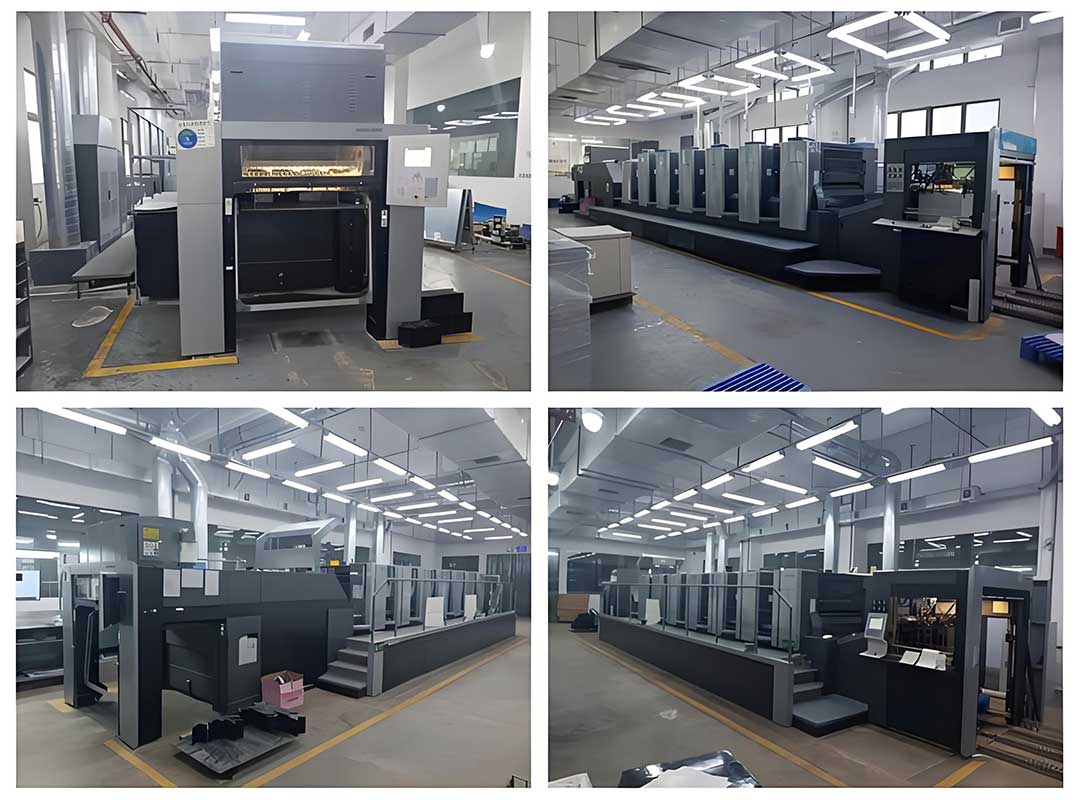
Choosing the right proofing option is key to a successful printing project. Digital proofing offers speed and convenience, while print proofing delivers accuracy and peace of mind. By understanding their differences, you can make an informed decision that protects your investment and ensures your printed materials look flawless. Contact us today if you have questions about which proofing option is right for your project!