When ordering printed materials - whether it’s packaging, brochures, business cards, or flyers - you may wonder why we require you to review a printing proof before starting the full print run. It’s a common question, and the answer is simple: a printing proof is your final chance to catch errors, confirm quality, and ensure the finished product matches your vision. Skipping this step can lead to costly mistakes, wasted time, and disappointment. Below, we break down the key reasons why reviewing a printing proof is non-negotiable, what to look for when checking it, and how it protects your project and investment.
1. What is a Printing Proof?
First, let’s clarify what a printing proof is: it’s a physical or digital sample of your design, produced exactly as it will appear in the final print run. It’s a full-scale (or scaled-down) version of your printed item, showing colors, text, images, layout, bleed, and any special finishes (e.g., embossing, foil stamping) you’ve requested.
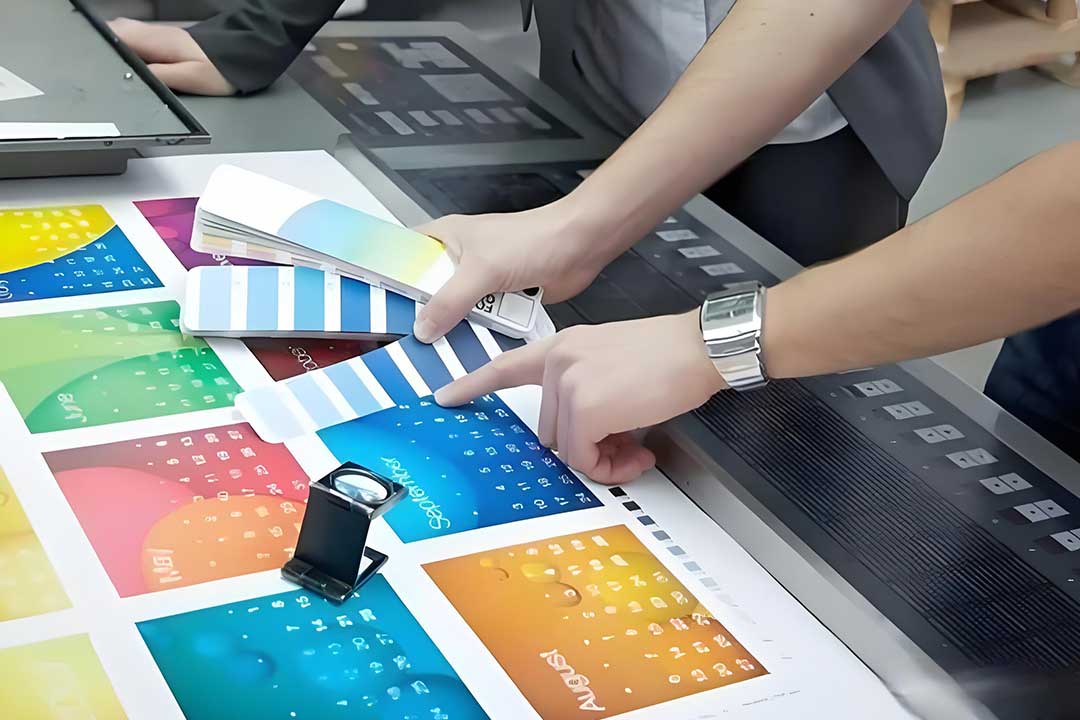
We offer two common types of proofs: digital proofs (PDFs sent via email) for quick reviews, and physical proofs (printed samples) for a precise look at color, paper texture, and finish - critical for packaging or high-end projects. Both serve the same core purpose: to let you verify every detail before mass printing.
2. Key Reasons Why You Must See a Printing Proof
Reviewing a proof isn’t just a formality - it’s a crucial step to protect your project and ensure satisfaction. Here’s why it’s mandatory:
a. Catch Errors Before Mass Printing
Even the most careful designers and teams can make small mistakes - typos, misaligned text, missing logos, or incorrect contact information. A proof lets you spot these errors before we print hundreds or thousands of copies. Imagine receiving 5,000 brochures with a wrong phone number, or packaging with a misspelled brand name - fixing this would require reprinting, wasting time and money. The proof is your safety net to avoid these costly blunders.
b. Confirm Color Accuracy
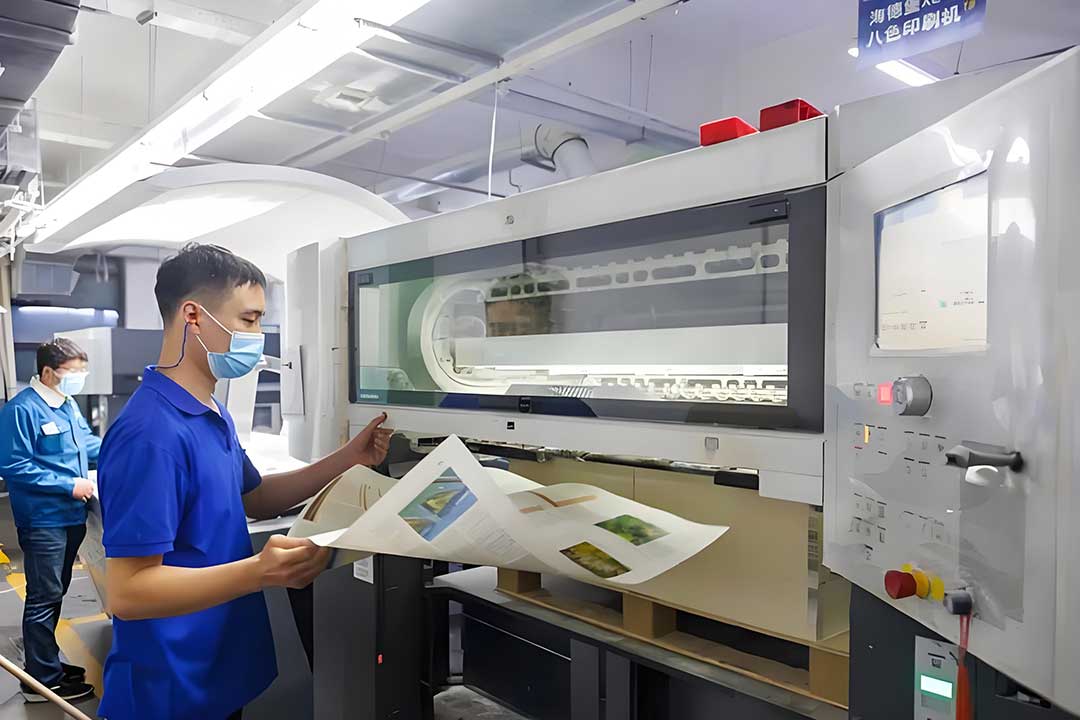
As we’ve explained in previous FAQs, colors on your computer screen (RGB) often look different from printed colors (CMYK). A printing proof is the only way to see exactly how your design’s colors will look in physical form - no guesswork, no surprises. You can check if brand colors are consistent, if images are vibrant (or not too dark/light), and if any color mismatches need adjusting. This is especially important for brands with strict color guidelines or projects where color is critical (e.g., product packaging).
c. Verify Layout & Design Details
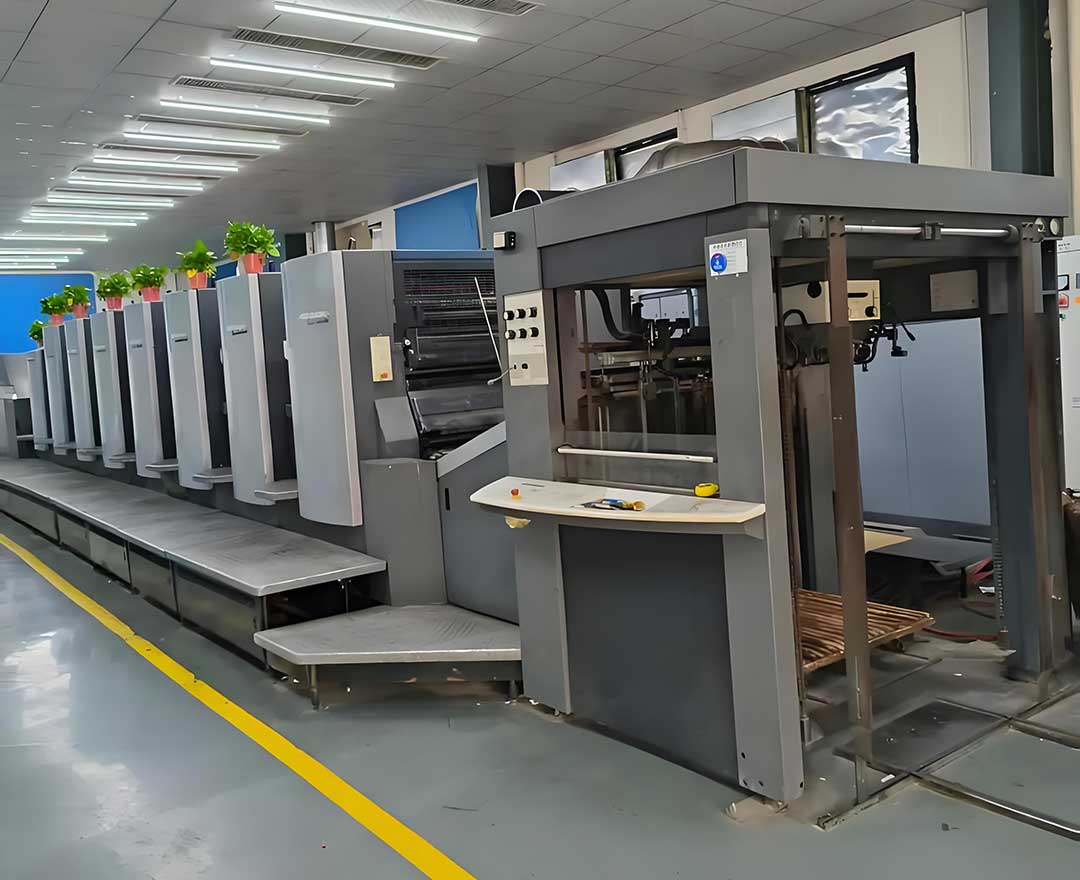
A proof lets you confirm that your design’s layout, spacing, and details are perfect. You can check if text is legible, if images are properly positioned (not cut off by bleed), if margins are correct, and if the overall layout matches your original vision. For multi-page projects (e.g., brochures, booklets), you can also verify page order and alignment - something easy to miss in a digital design file.
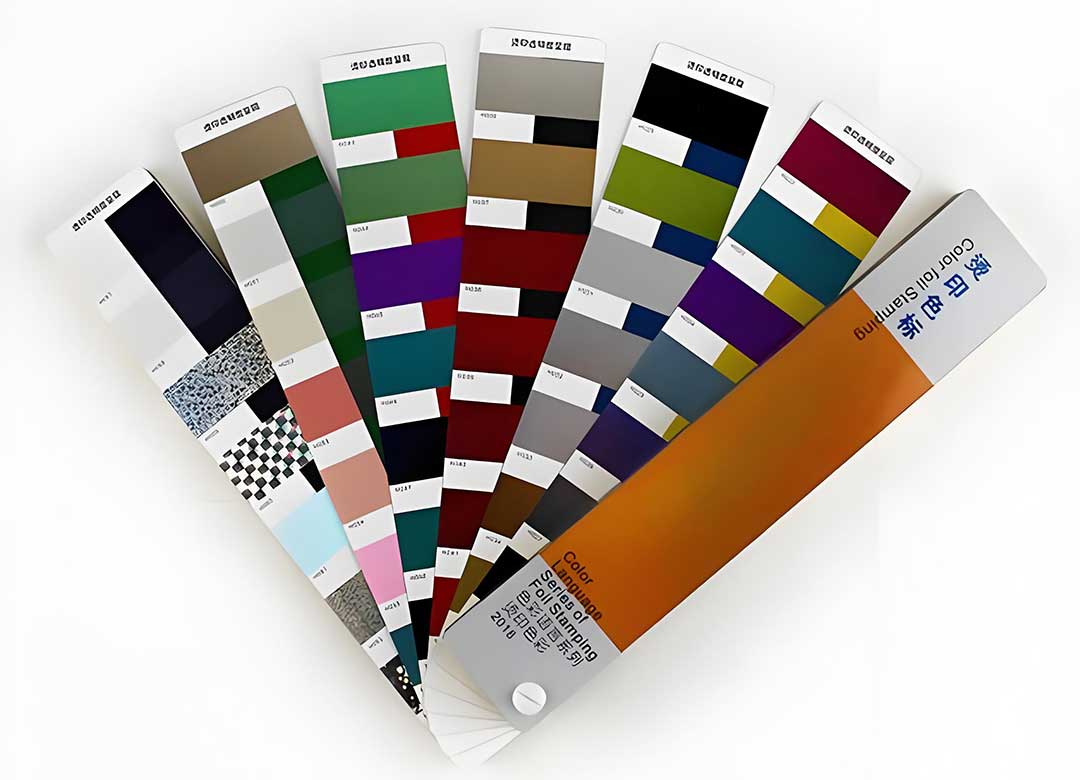
d. Approve Paper Type & Finishes
If you’ve chosen a specific paper type (e.g., glossy, matte, recycled) or special finishes (e.g., UV coating, embossing), a physical proof lets you feel and see these details firsthand. Paper texture and finish can drastically change how your design looks - matte paper softens colors, while glossy paper makes them pop. A proof ensures you’re happy with your paper and finish choices before committing to a full print run.
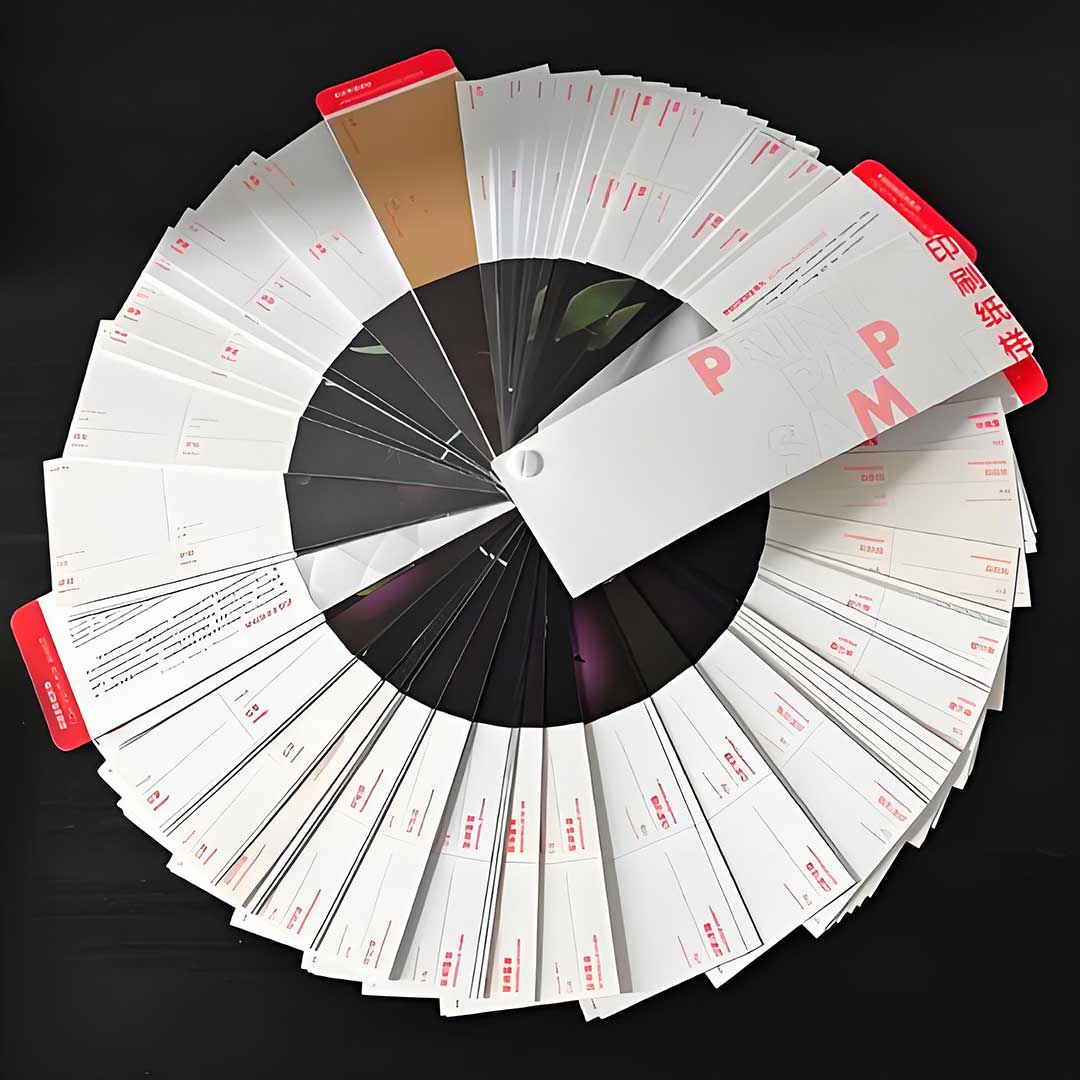
e. Avoid Miscommunication
Sometimes, what you visualize in your mind may differ from what the design team creates. A proof bridges this gap: it’s a tangible (or digital) representation of the final product, so you and our team are on the same page. If something doesn’t match your expectations, you can request adjustments before printing - ensuring everyone is aligned and reducing the risk of miscommunication.
3. What to Look for When Reviewing a Printing Proof
To make the most of your proof review, focus on these key details:
Text: Check for typos, misspellings, incorrect contact info, and legible font sizes.
Colors: Ensure they match your brand guidelines and look as expected (no dull or mismatched hues).
Images: Verify they’re sharp (no blurriness), properly positioned, and not cut off.
Layout: Check spacing, alignment, margins, and (for multi-page items) page order.
Bleed & Trim: Confirm edge-to-edge designs have no white borders and trim marks are correct.
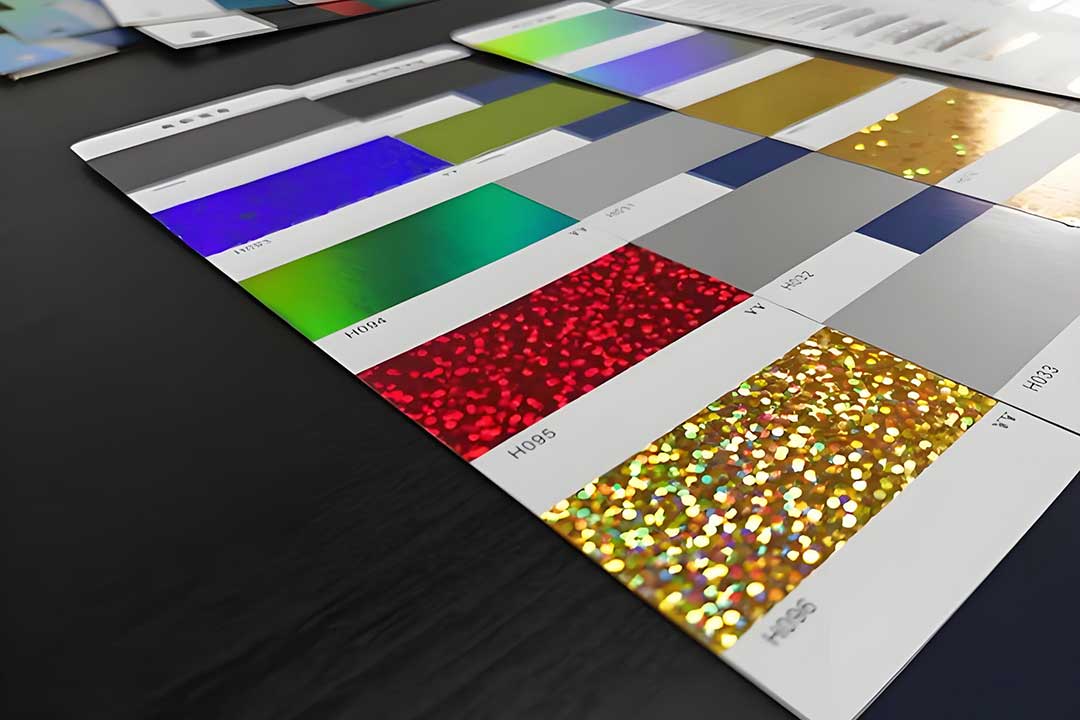
Finishes: If applicable, check that embossing, foil stamping, or lamination looks as requested.
What Happens After You Approve the Proof?
Once you review the proof and give your final approval, we proceed with the full print run. This approval means you’ve verified all details and are satisfied with the sample - so we can move forward with confidence, knowing the final product will meet your expectations. If you spot any issues, we’ll make adjustments and send a revised proof for your review, free of charge, until you’re happy.
At the end of the day, a printing proof is all about peace of mind. It’s a small step that saves you time, money, and frustration by ensuring your printed materials are perfect the first time. We know your project matters, and reviewing a proof is our way of partnering with you to bring your vision to life flawlessly. If you have questions about proofs or need help reviewing one, our team is here to guide you every step of the way!