When designing custom packaging or printed materials, you may have heard the term “die-line” and wondered why it’s essential. A die-line is a critical, technical blueprint for any printing or packaging project - it’s not just a formality; it’s the foundation that ensures your final product is accurately shaped, structured, and functional. Whether you’re producing boxes, bags, stickers, or any custom-shaped item, a die-line acts as a guide for printers, die-cutters, and manufacturers. Below, we break down exactly why a die-line is necessary, what it does, and how it prevents costly mistakes.
1. What is a Die-Line?
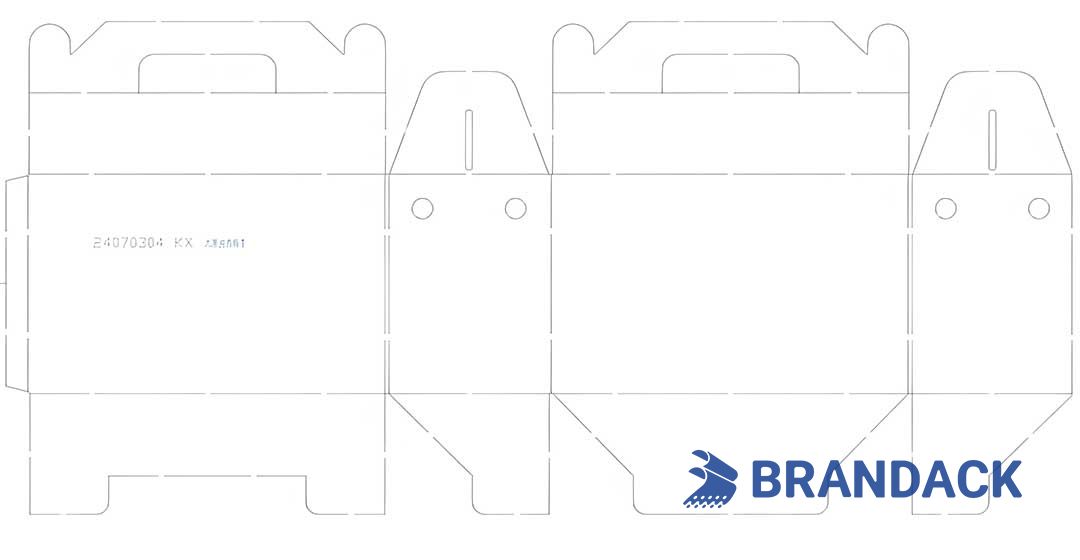
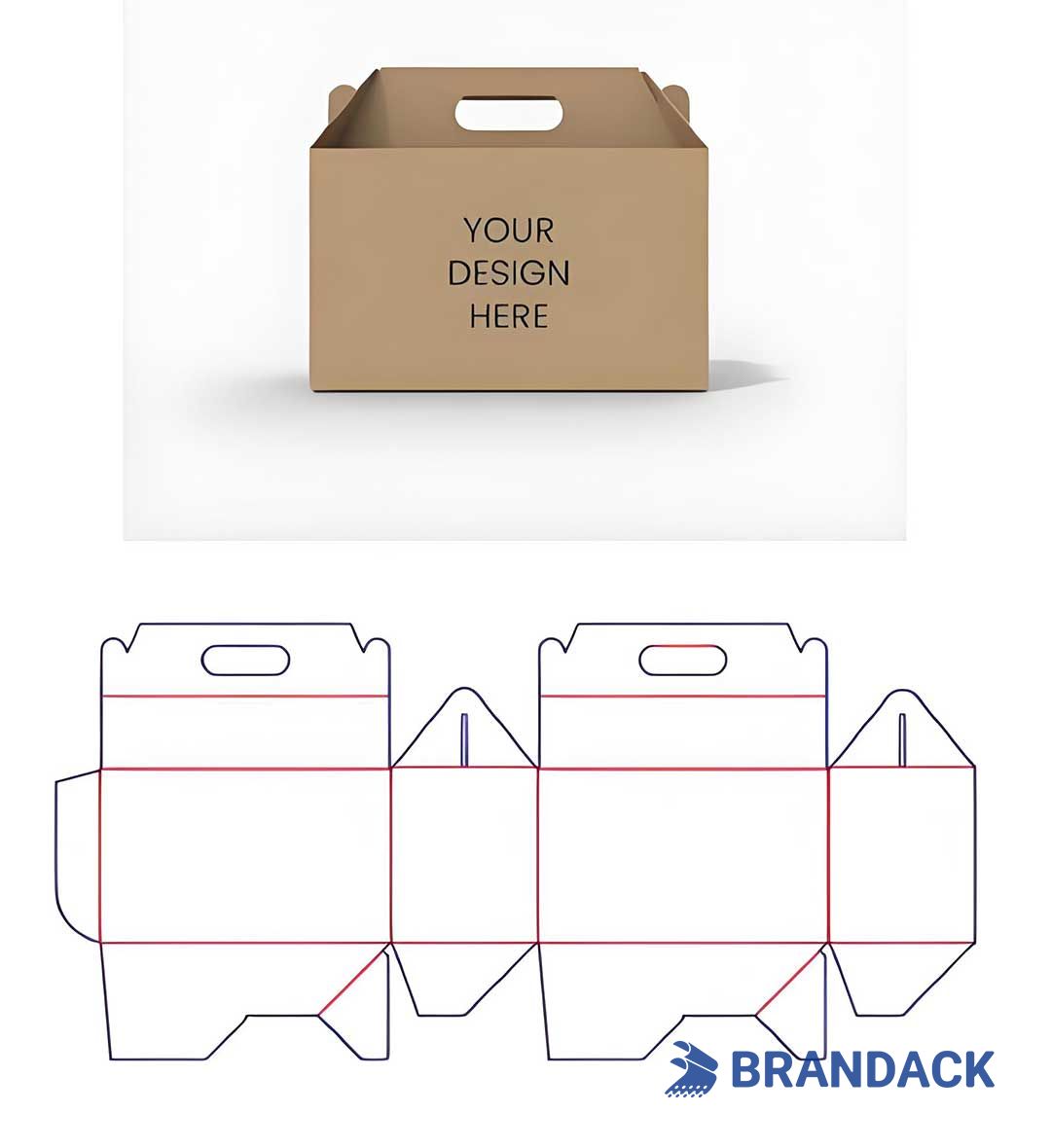
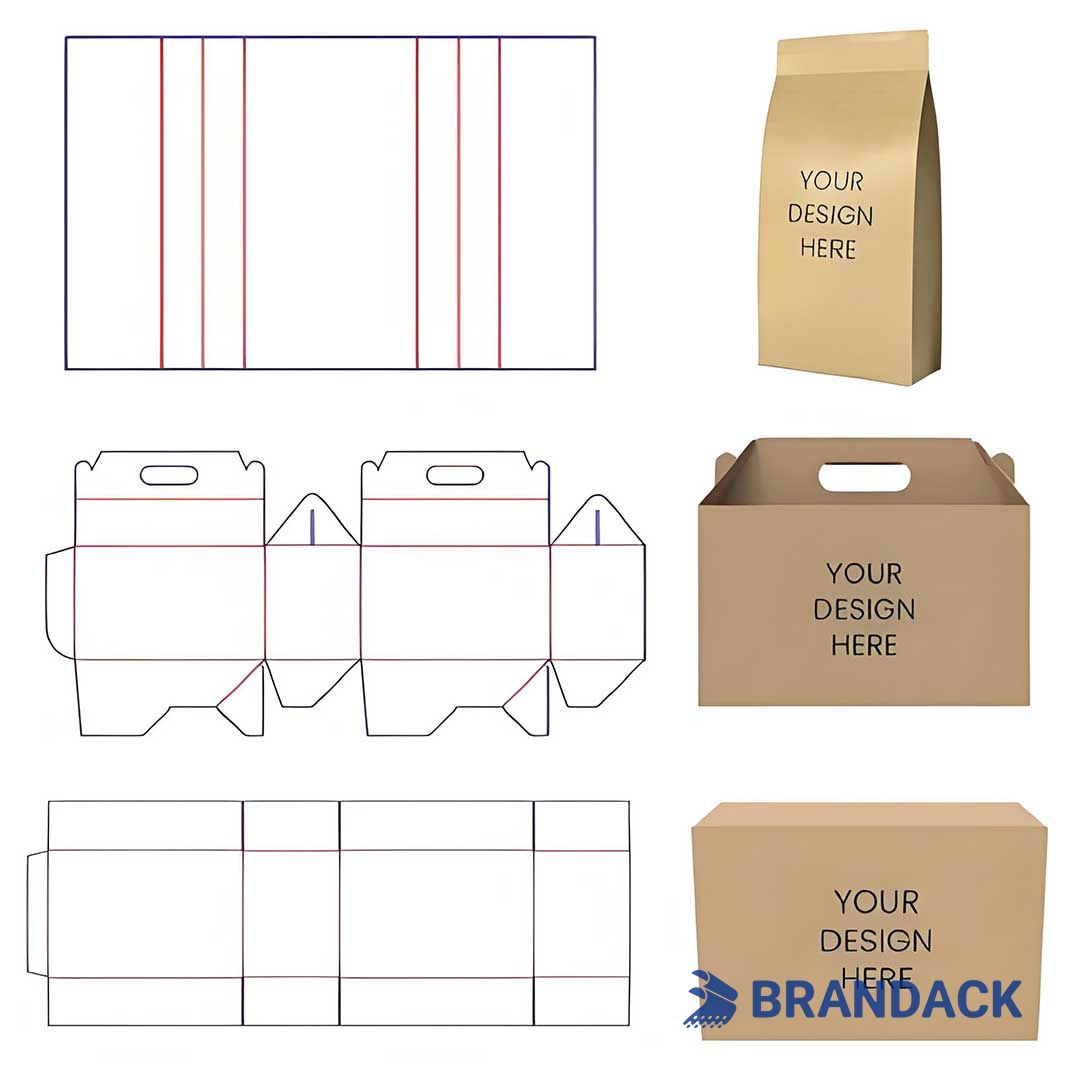
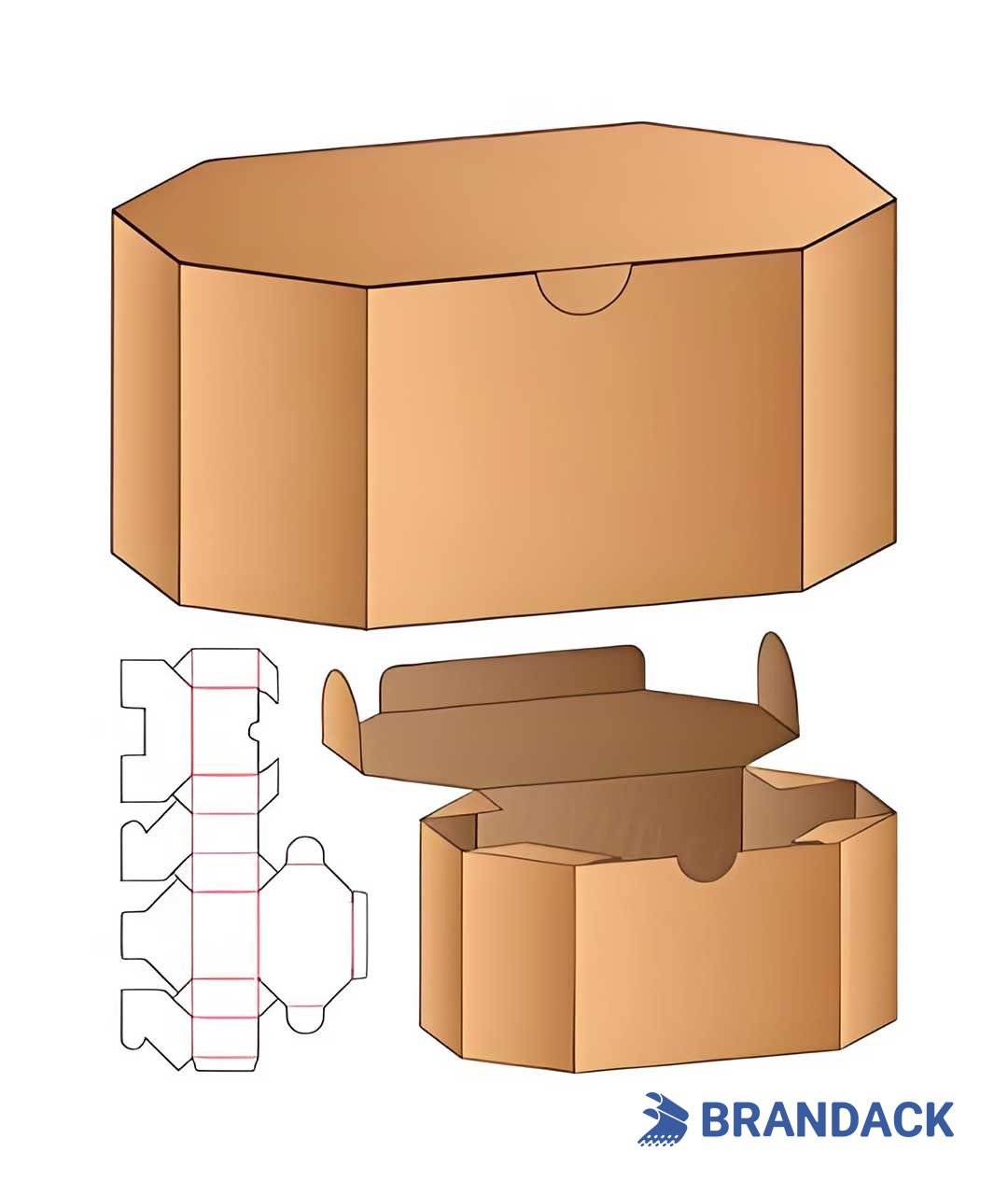
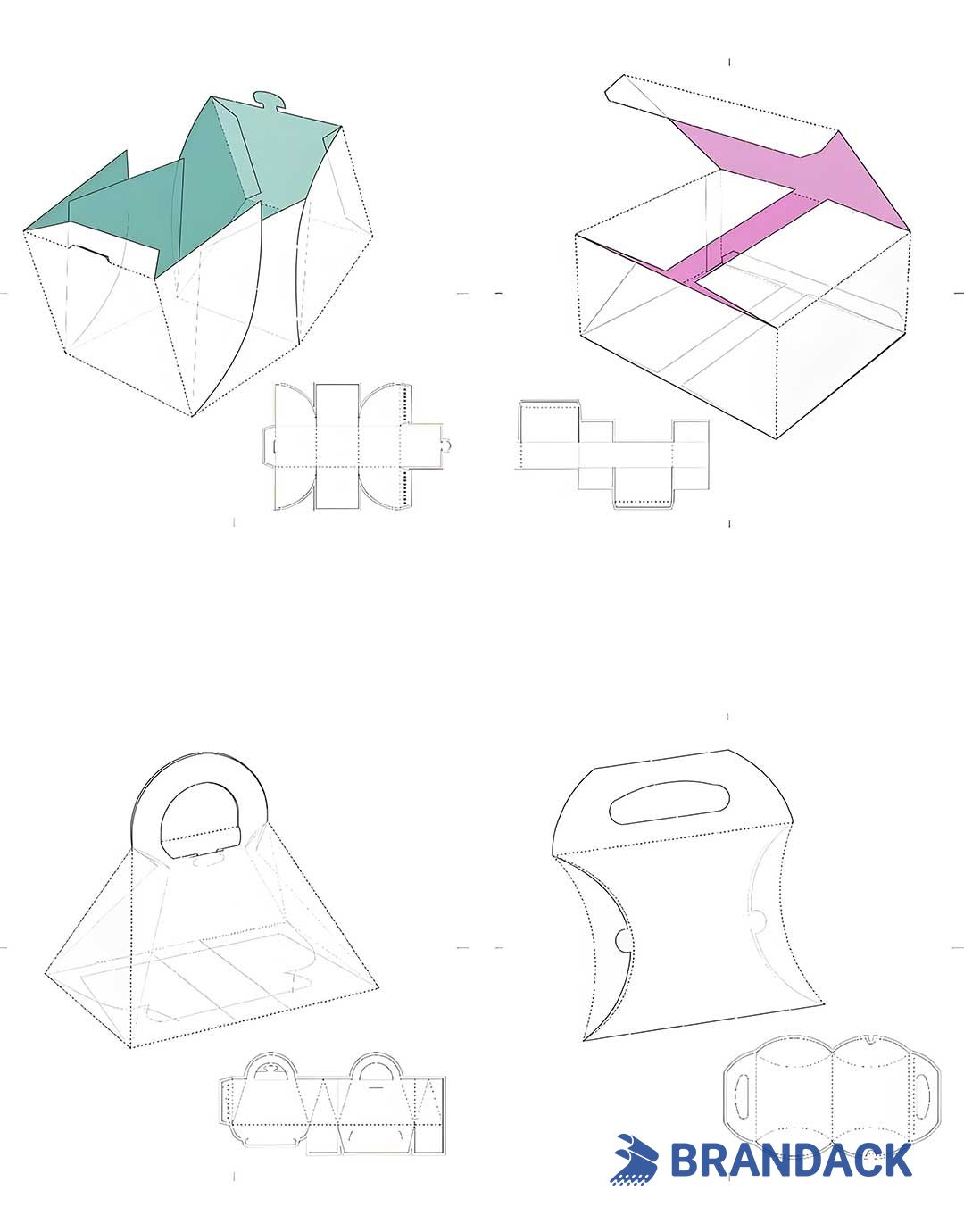
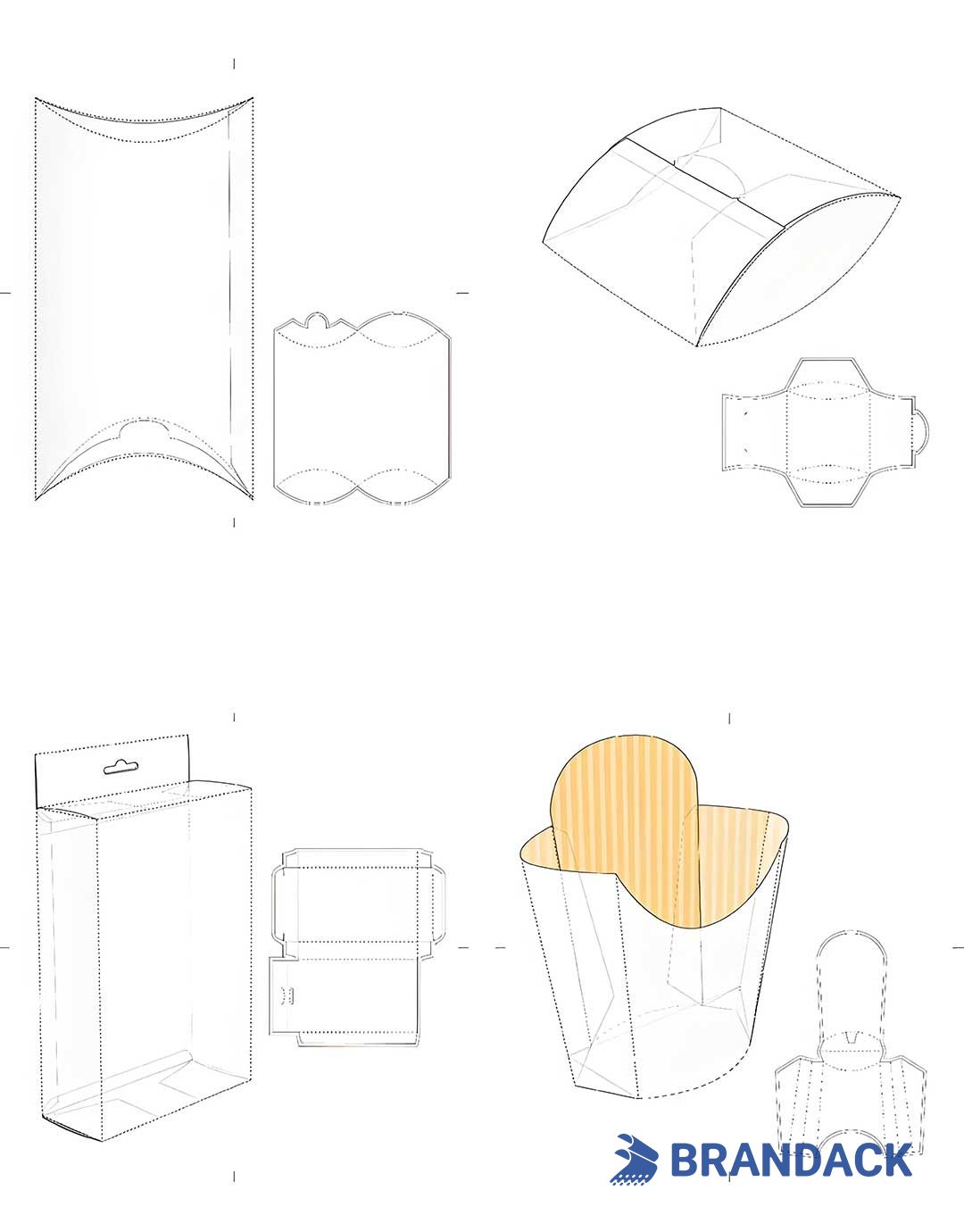
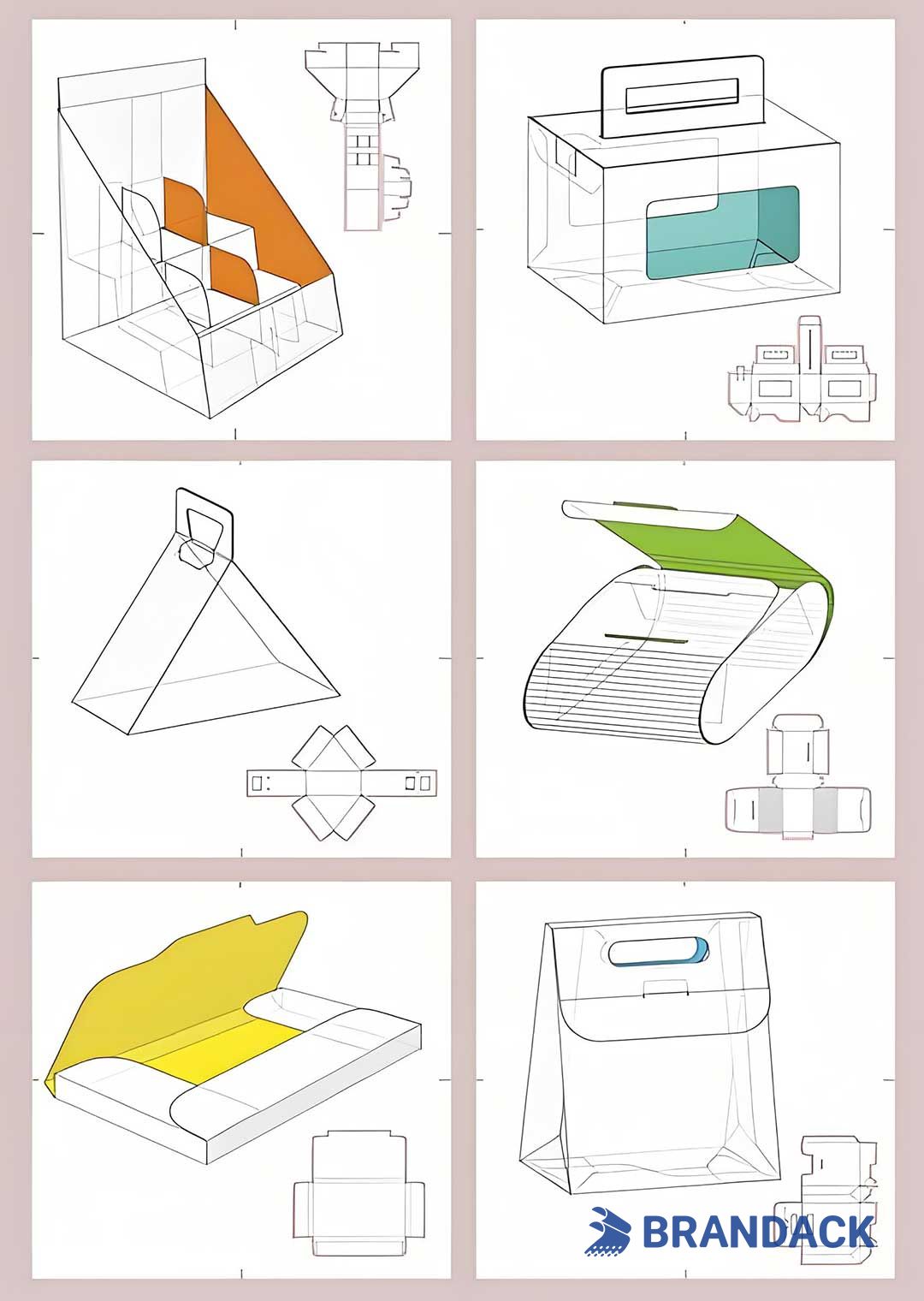
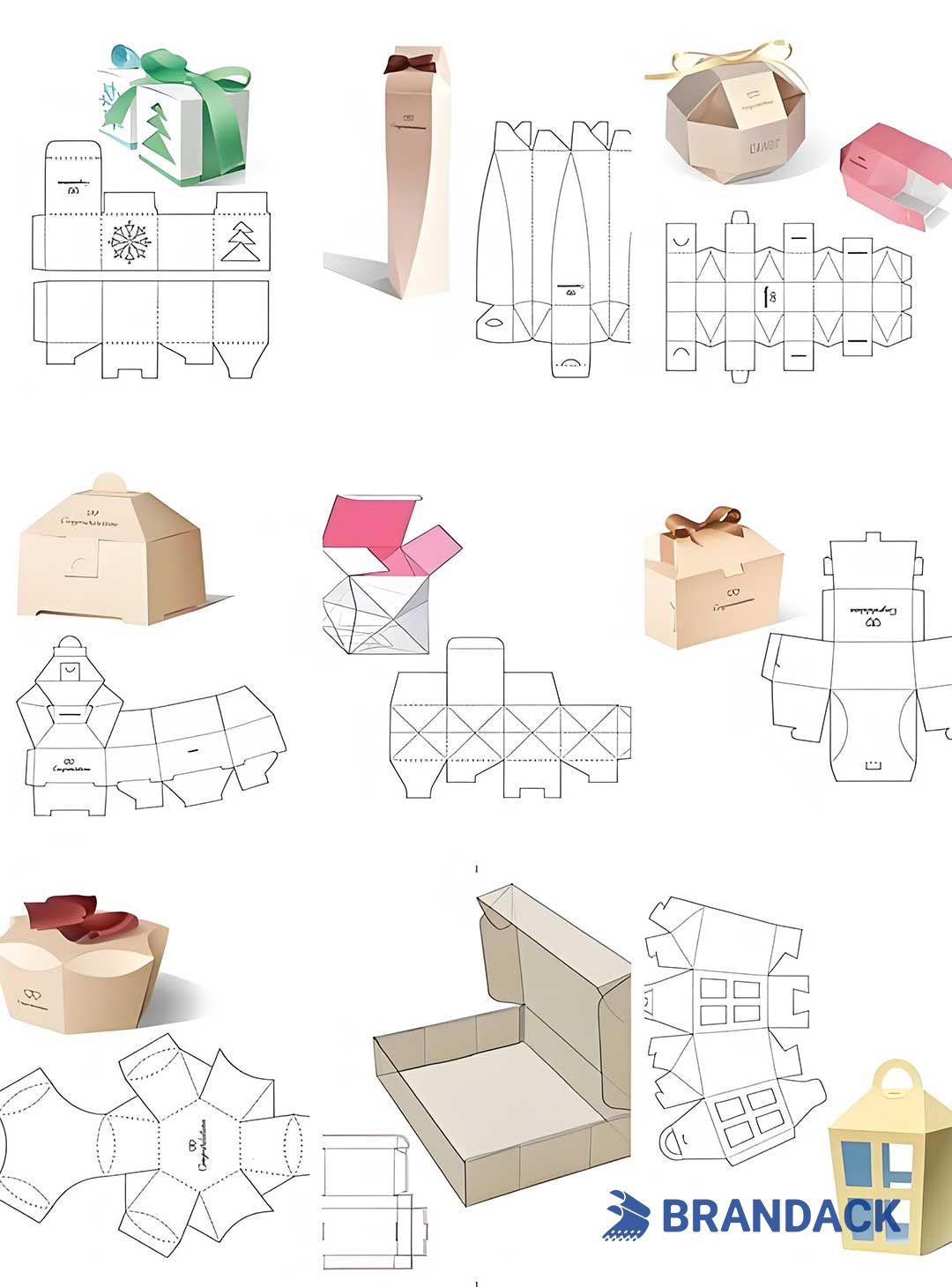
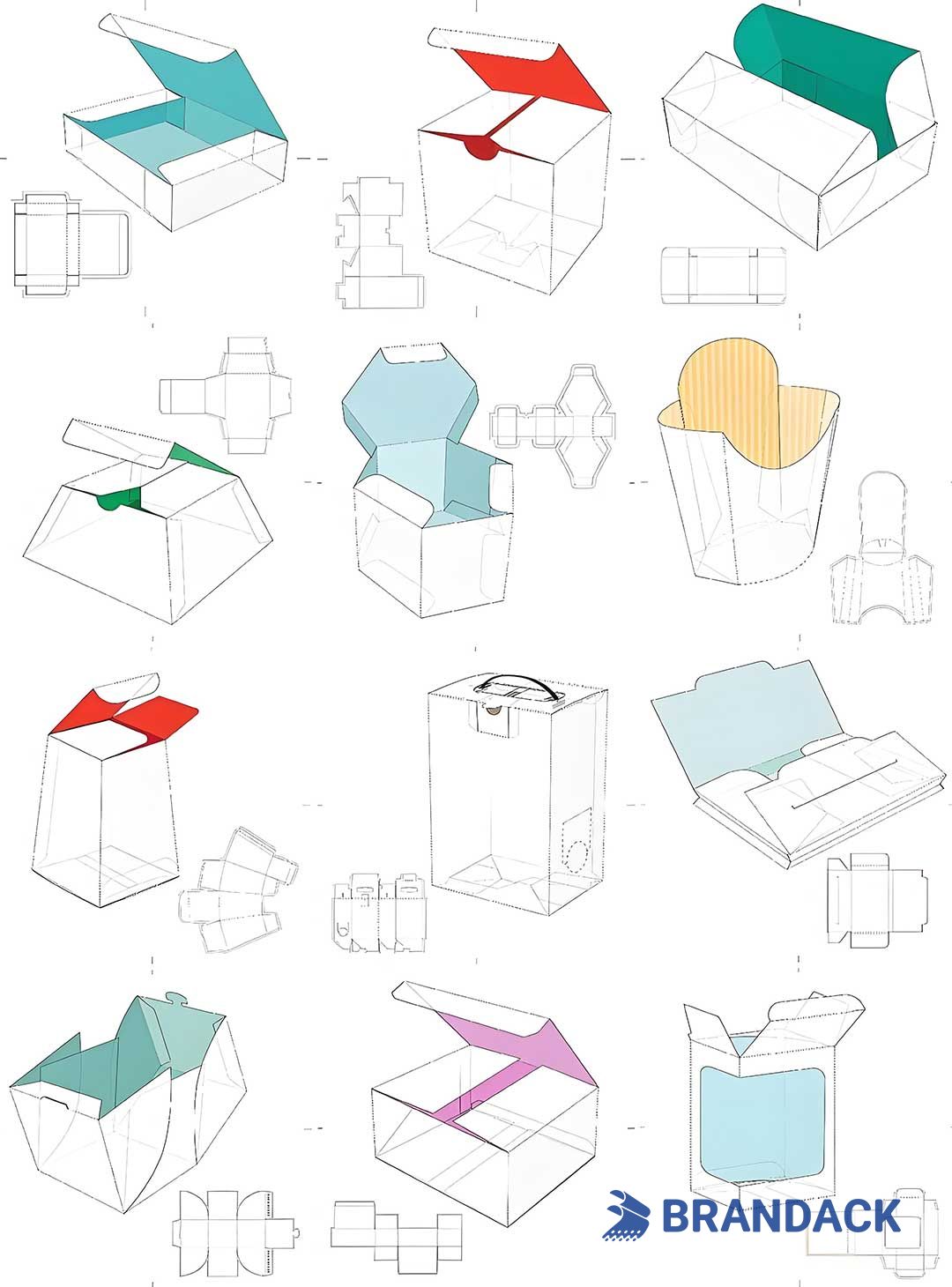
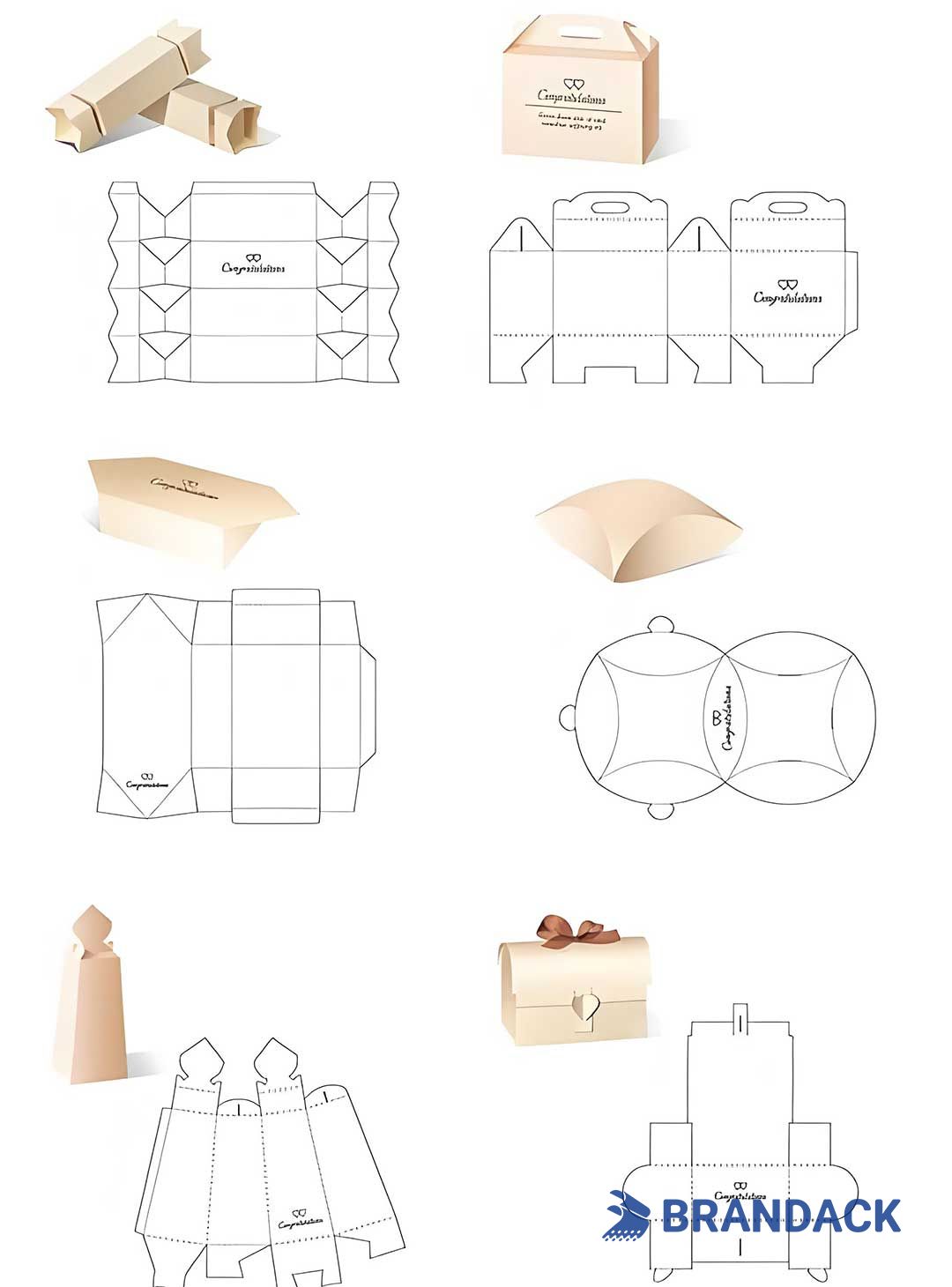
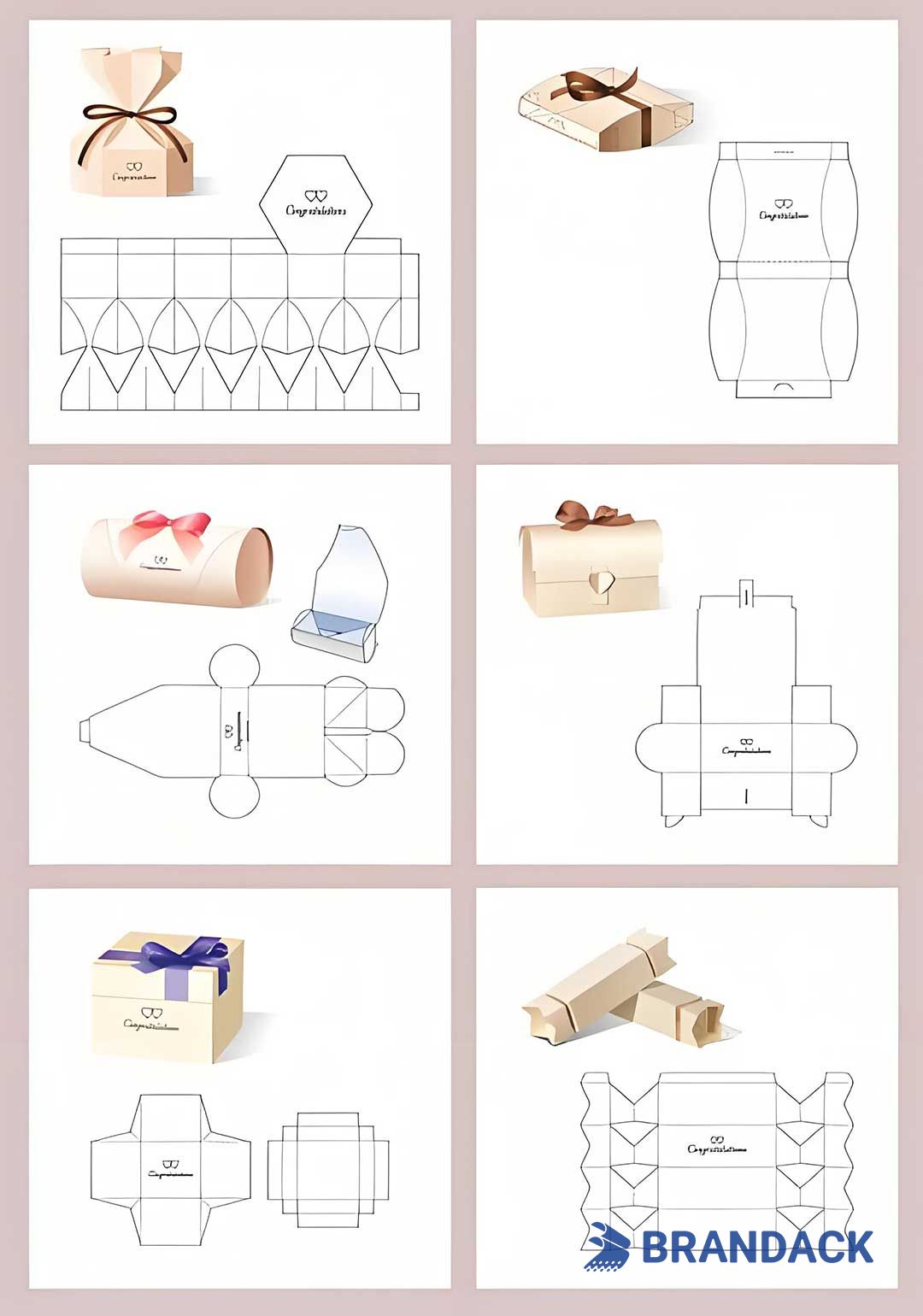
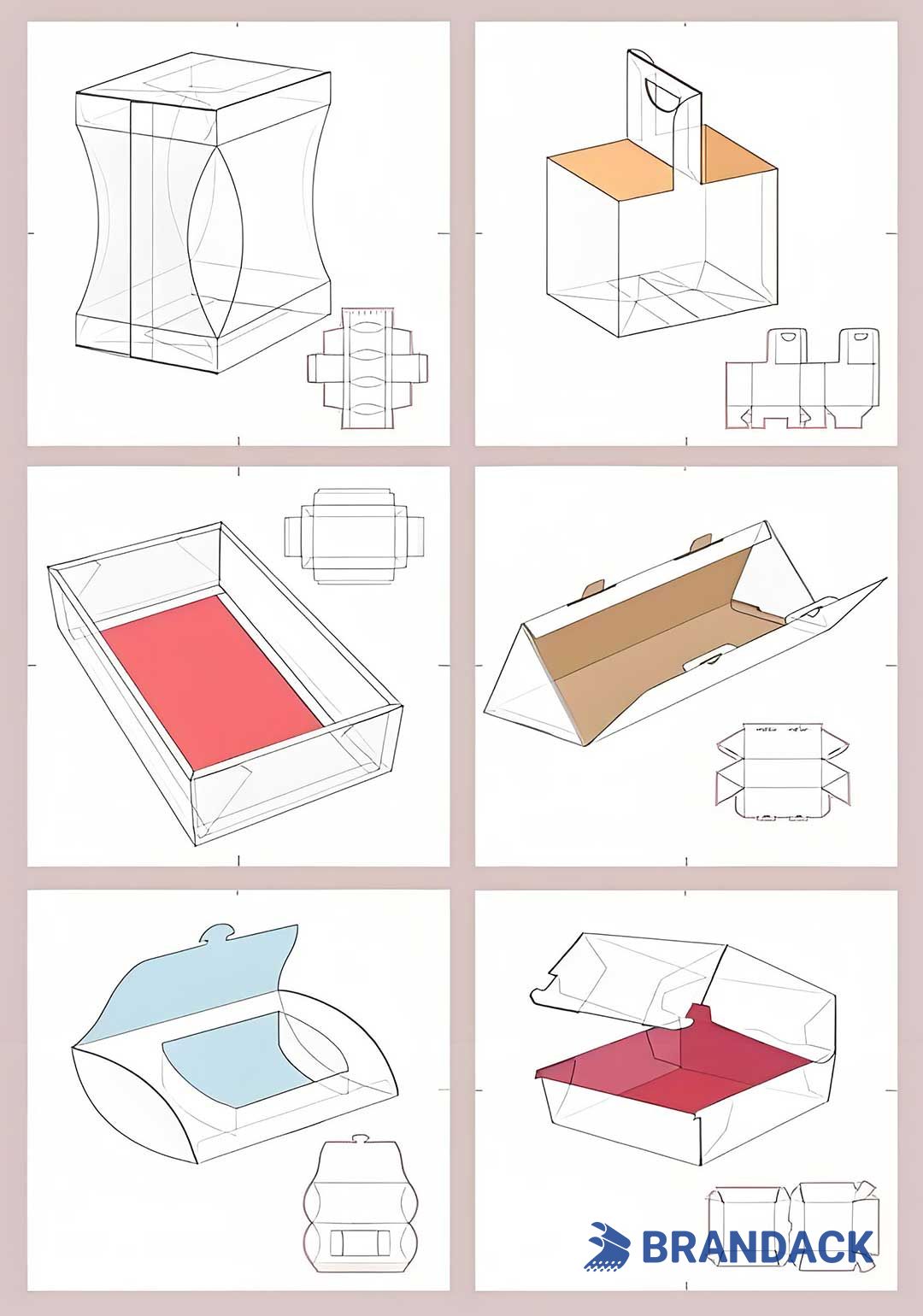
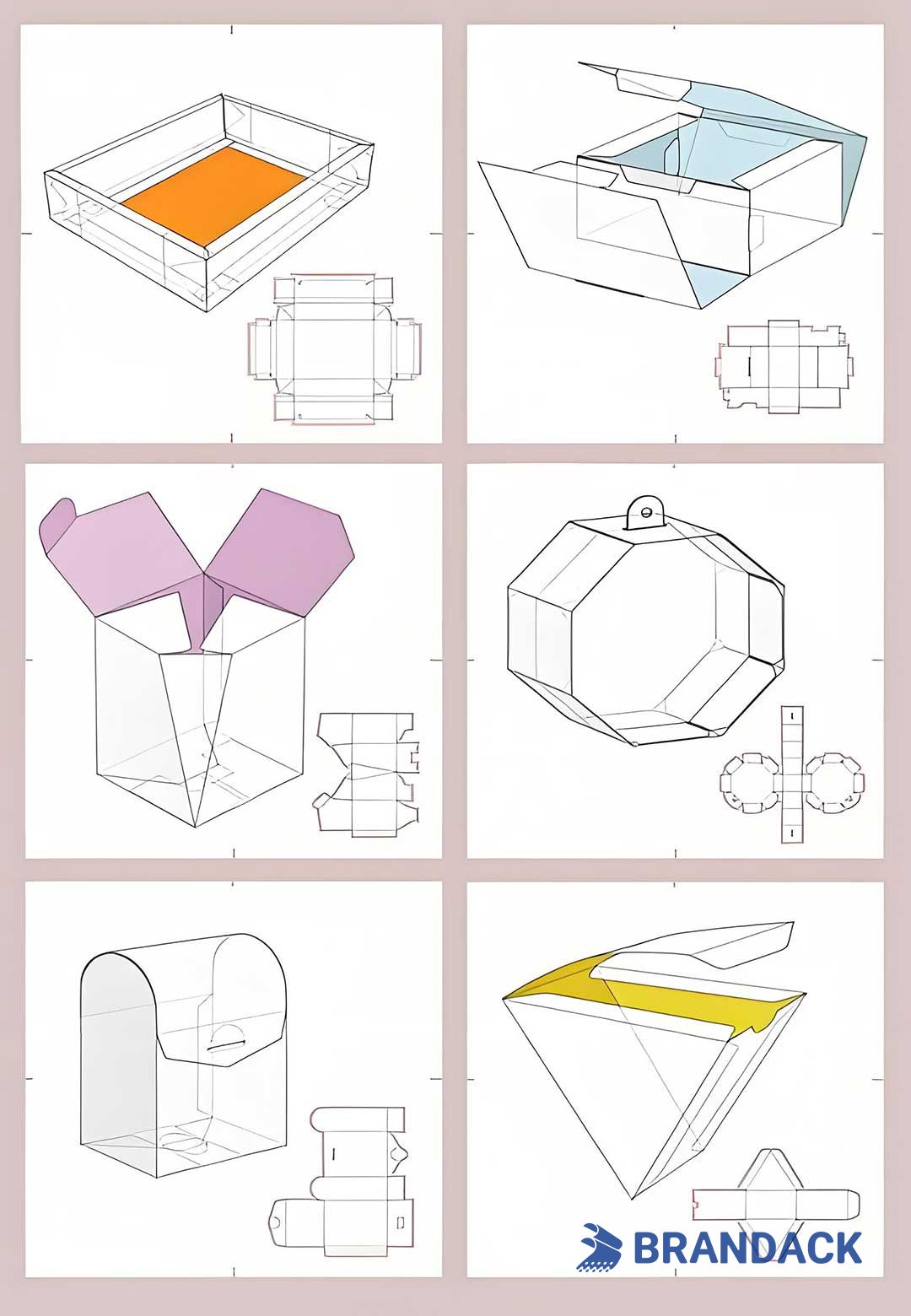
First, let’s define it: A die-line (also called a “die line” or “cutting line”) is a precise, vector-based diagram that outlines the exact dimensions, structure, and folding lines of your packaging or printed item. It includes:
Cut lines: Where the material (paper, cardboard, plastic) will be cut to form the final shape.
Crease lines: Where the package will fold (e.g., box flaps, tucks), marked with specific lines or scores.
Margin/ safety zones: Clearances for glue, seams, or assembly to avoid damaging design elements.
Registration marks: Guides to align printing plates with the die-cutting process.
A die-line is usually created in professional design software (like Adobe Illustrator) and is a separate layer from your visual design - it’s the “technical skeleton” that brings your packaging to life.
2. Why is a Die-Line Essential for Printing & Packaging?
A die-line is non-negotiable for several key reasons. It solves practical, technical, and logistical challenges that arise when producing custom-shaped items.
a. Ensures Precise Shaping & Structure
The biggest purpose of a die-line is to ensure accuracy in shape and structure. Without a die-line, printers can’t create the custom “die” (a sharp cutting tool) needed to cut your packaging to the right size.
✅ Custom shapes: For unique designs (e.g., a hexagonal box, a bag with a unique handle, a die-cut window), a die-line tells the printer exactly where to cut. Even small measurement errors (even 0.1mm) can ruin the package - making it too tight, too loose, or misshapen.
✅ Consistency across units: A die-line ensures every box, bag, or sticker is identical. This is critical for branding and assembly - imagine receiving 1,000 boxes with misaligned flaps or uneven edges!
b. Enables Smooth Assembly & Functionality
Packaging is often flat-packed (folded) for shipping, then assembled by the customer or retailer. A die-line defines fold lines and glue zones that guide assembly.
✅ Fold line precision: Incorrect fold lines make boxes hard to assemble or cause them to collapse. A die-line ensures folds are in the right place, so the package stands up straight and holds its shape.
✅ Glue zone alignment: Glue is applied along specific lines (marked in the die-line) to bond flaps securely. If these zones are missing or misaligned, the package may fall apart during shipping.
c. Prevents Costly Mistakes & Reworks
Printing and die-cutting are expensive processes. A missing or inaccurate die-line leads to:
✅ Wasted materials: Mis-cut packaging can’t be reused, leading to lost time and money.
✅ Delayed production: Printers will halt the job to request a corrected die-line, pushing back your launch.
✅ Repairs: Poorly structured packaging requires extra labor to fix, increasing costs.
A die-line acts as a “safety net,” catching errors before production starts and ensuring your project runs smoothly.
d. Aligns Visual Design with Technical Production
A die-line bridges the gap between your creative design and the physical manufacturing process.
✅ Avoiding design overlap: It ensures key design elements (like your logo or text) aren’t placed in fold lines or glue zones (where they’d be damaged or hidden).
✅ Print registration: The die-line includes registration marks that align your printed colors (CMYK) with the cutting lines. This prevents misprints - e.g., your logo is printed off-center relative to the cut edge.
e. Facilitates Communication with Printers
A die-line is the universal language between you and your printer. It eliminates miscommunication about size, shape, and structure.
✅ Clear specifications: Instead of describing your box as “a rectangle with a flap,” a die-line provides exact measurements (length, width, depth) and fold lines. There’s no room for interpretation.
✅ Easier revisions: If you need to adjust the package size, a die-line makes it simple to update the technical specs without reworking the entire design.
3. What Happens If You Skip a Die-Line?
Skipping a die-line is risky - here are the consequences:
Inexact cuts: Your package will be the wrong size or shape, making it impossible to fit your product.
Unusable packaging: Flaps may not align, glue zones are missing, or the package collapses during shipping.
Higher costs: You’ll need to reprint/re-cut the order, paying for materials and labor twice.
Damaged brand image: Poorly fitting or shaped packaging looks unprofessional and can hurt customer trust.
4. Who Creates the Die-Line?
Die-lines are typically created by professional packaging designers, prepress specialists, or the printing company itself. They require expertise in structural design, printing software, and manufacturing processes.
At our company, we provide free die-line creation as part of our custom packaging services. Our team will work with you to create a precise, print-ready die-line that aligns with your design and budget.
Key Takeaway
A die-line is the backbone of any custom printing and packaging project. It ensures accuracy, functionality, and cost efficiency, turning your creative vision into a physical product that works as well as it looks. Without one, you risk misprints, wasted materials, and delayed deliveries.
At BRANDACK Company, we specialize in creating high-precision die-lines for all types of packaging - from simple boxes to complex custom structures. Contact us today to learn how we can help you bring your packaging design to life with accuracy and excellence.